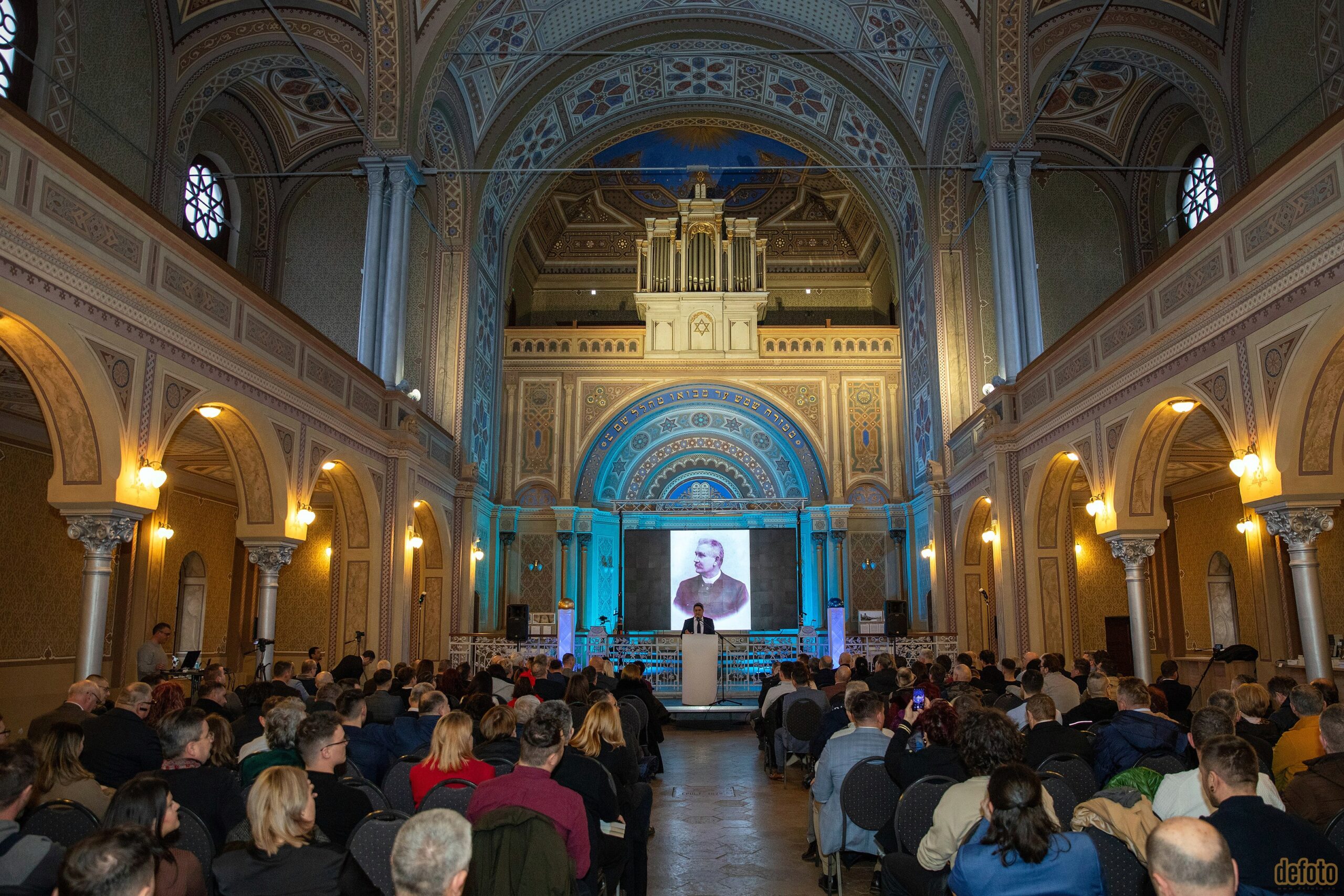
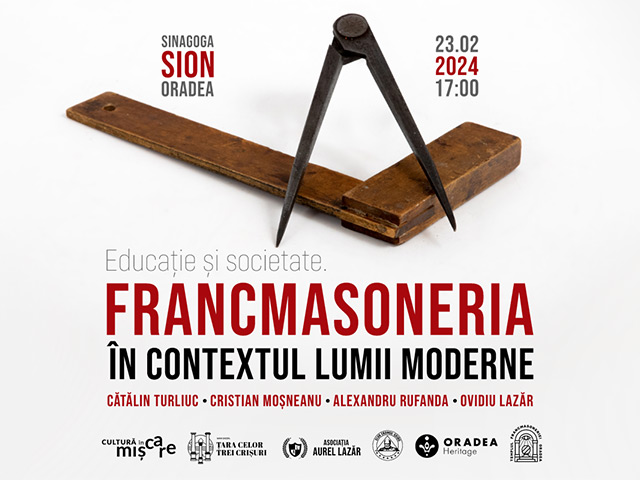
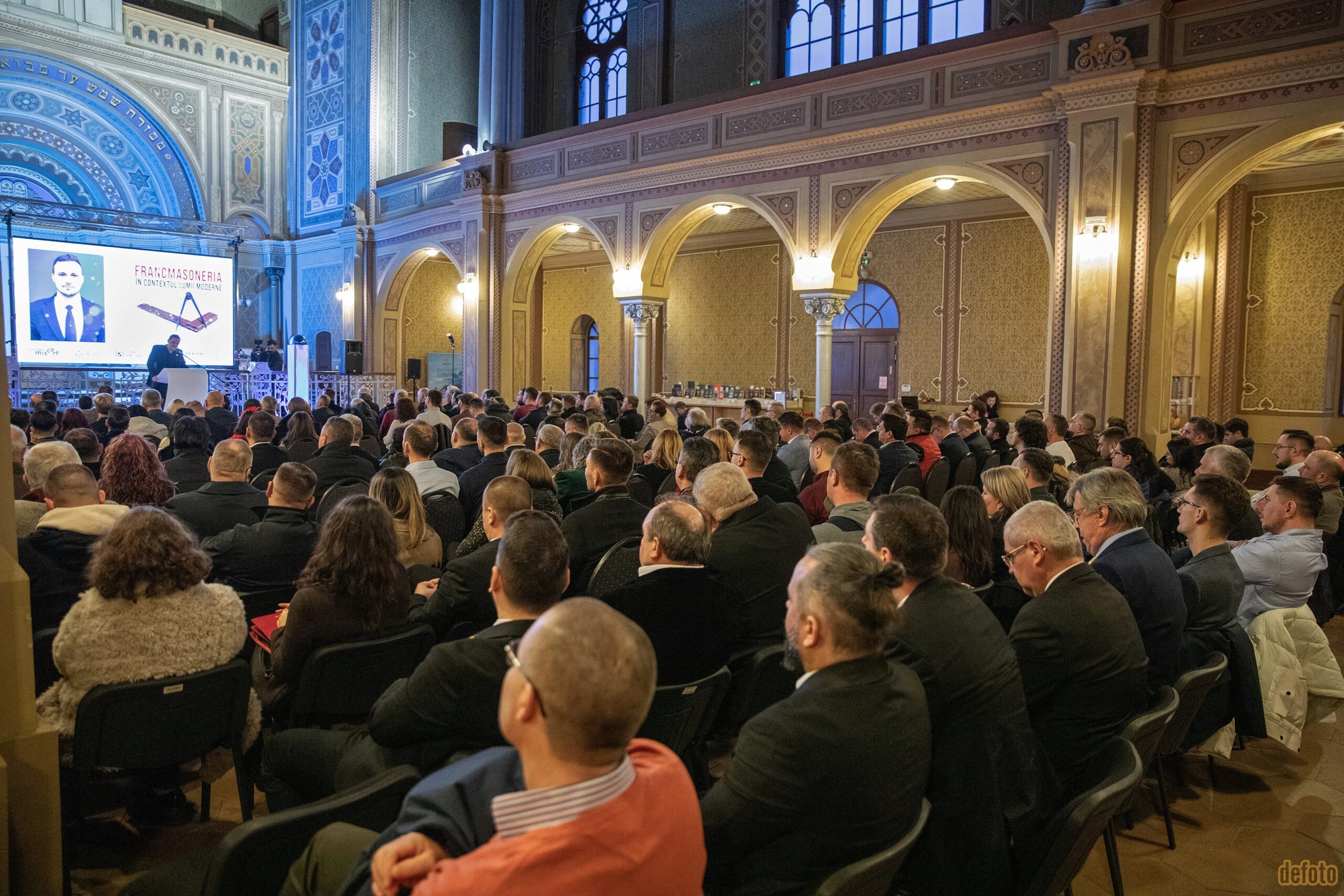
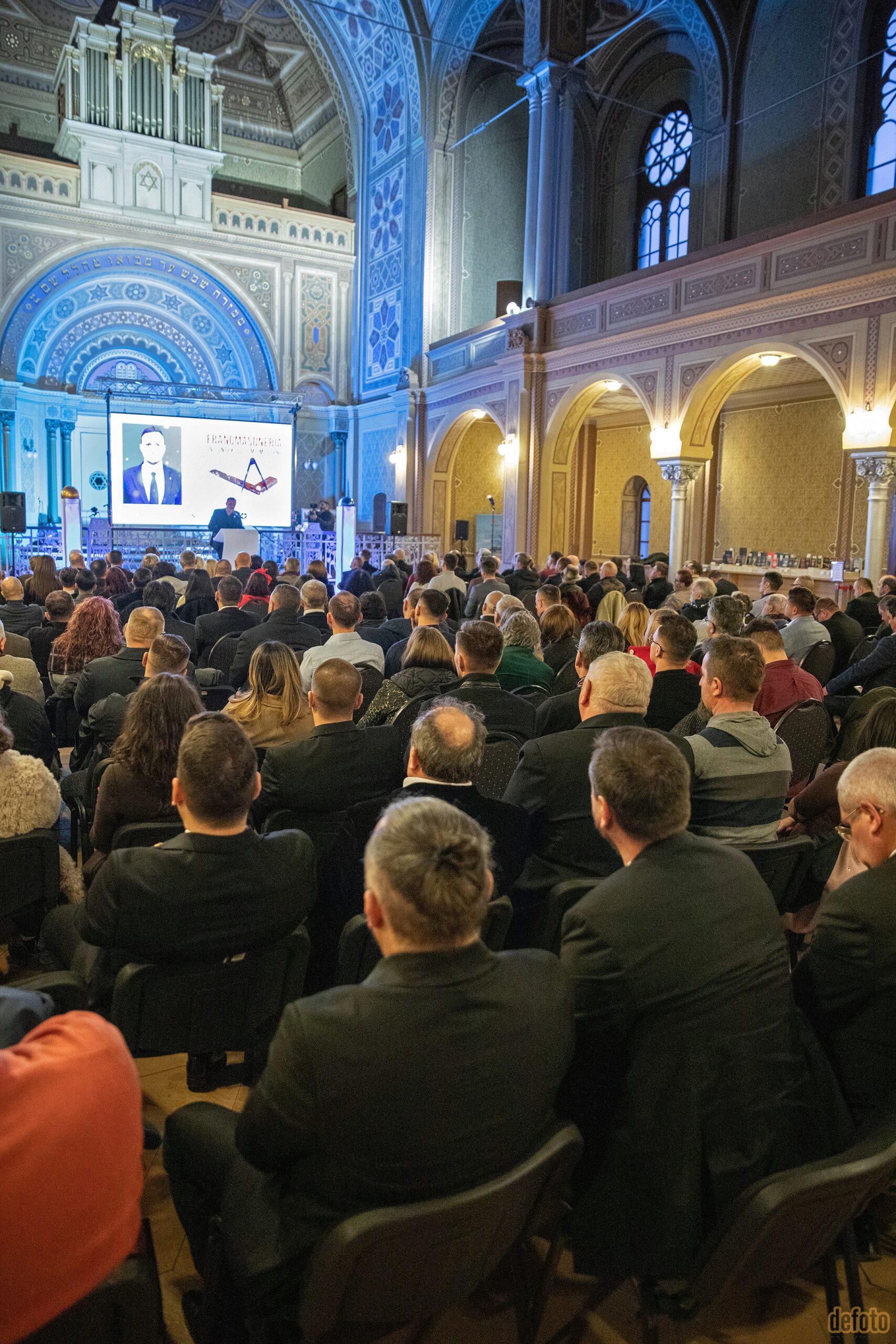
Friday, February 23, 2024 – The conference “Education and Society. Freemasonry in the Context of the Modern World.” Access to these events is free of charge.
PROGRAM:
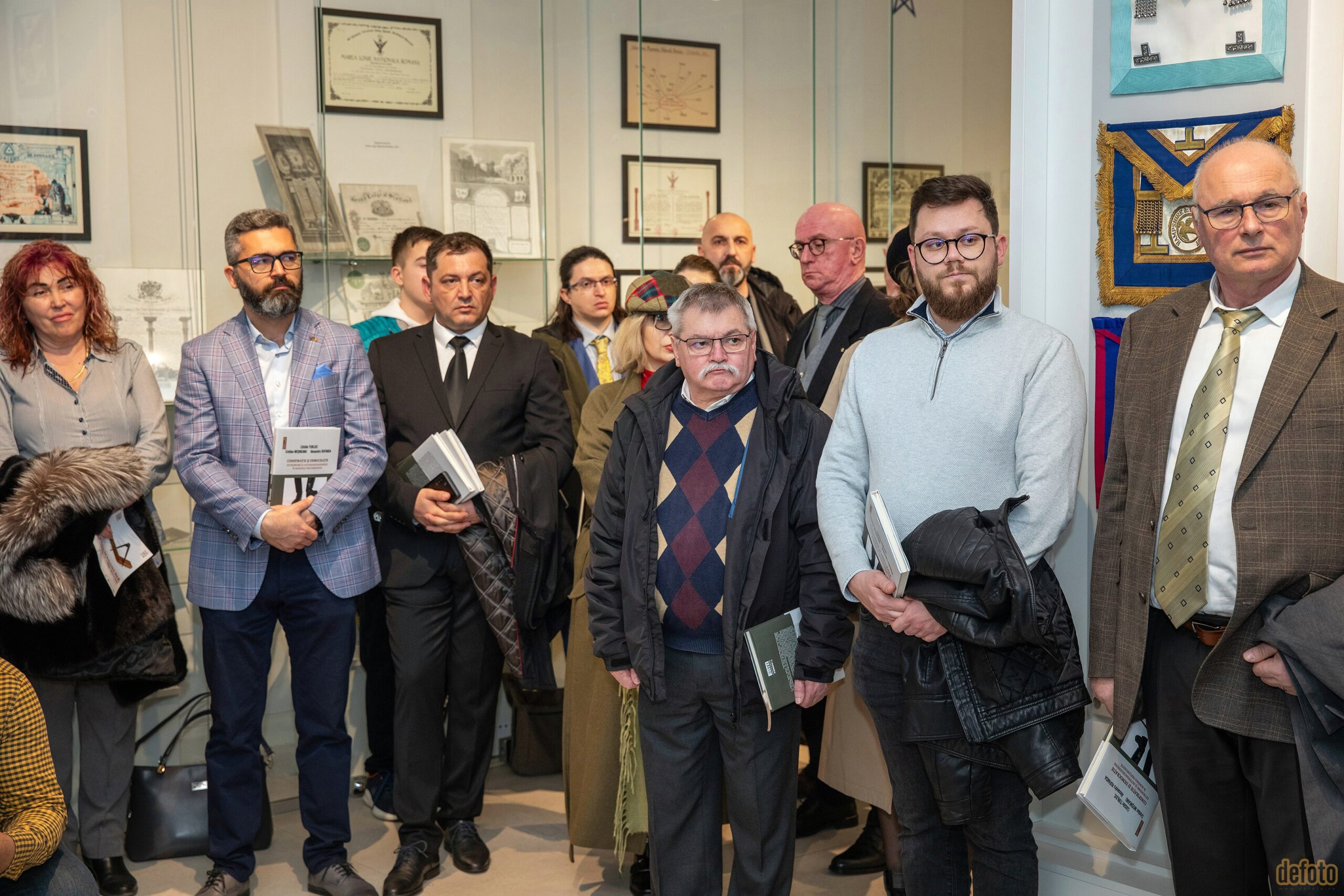
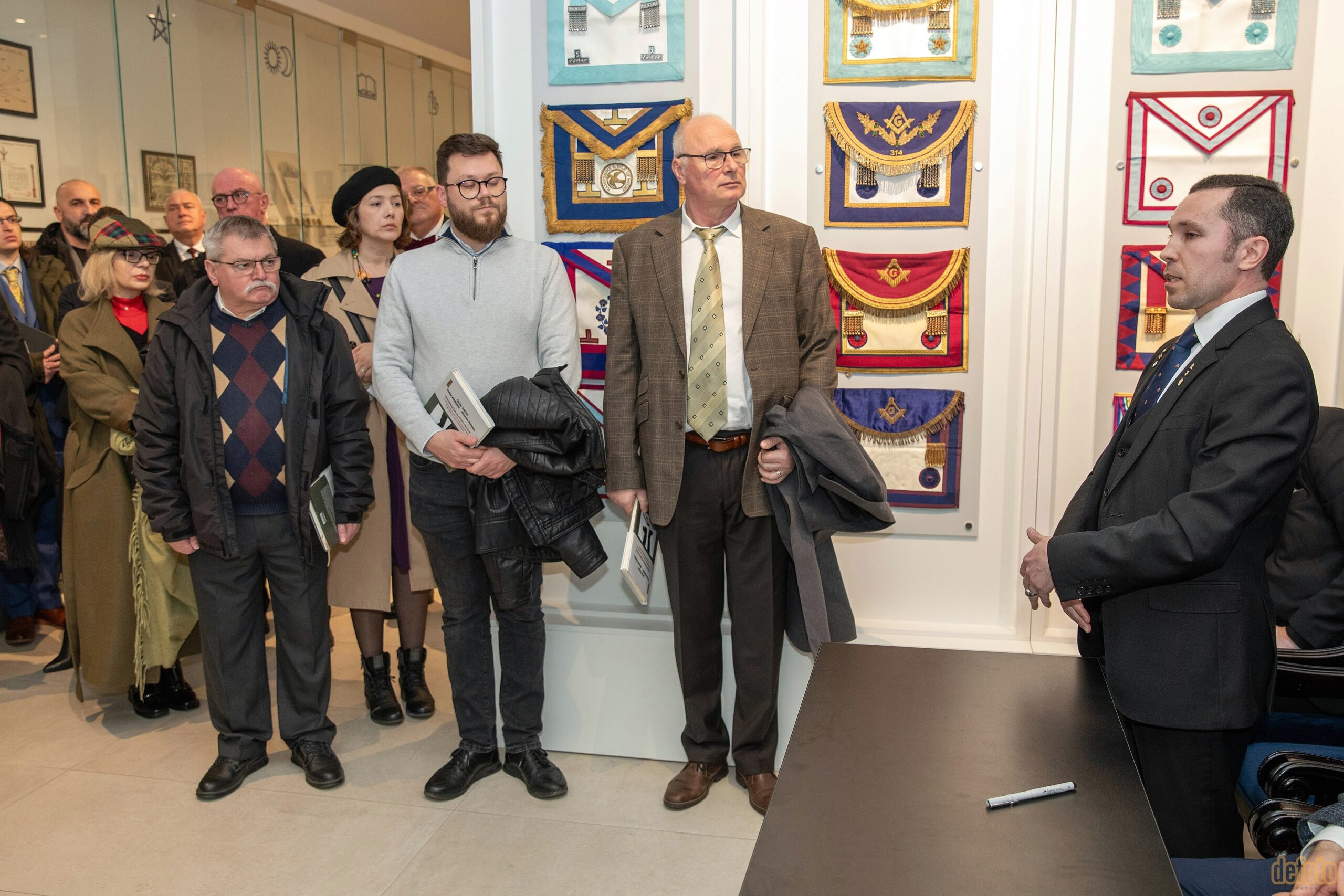
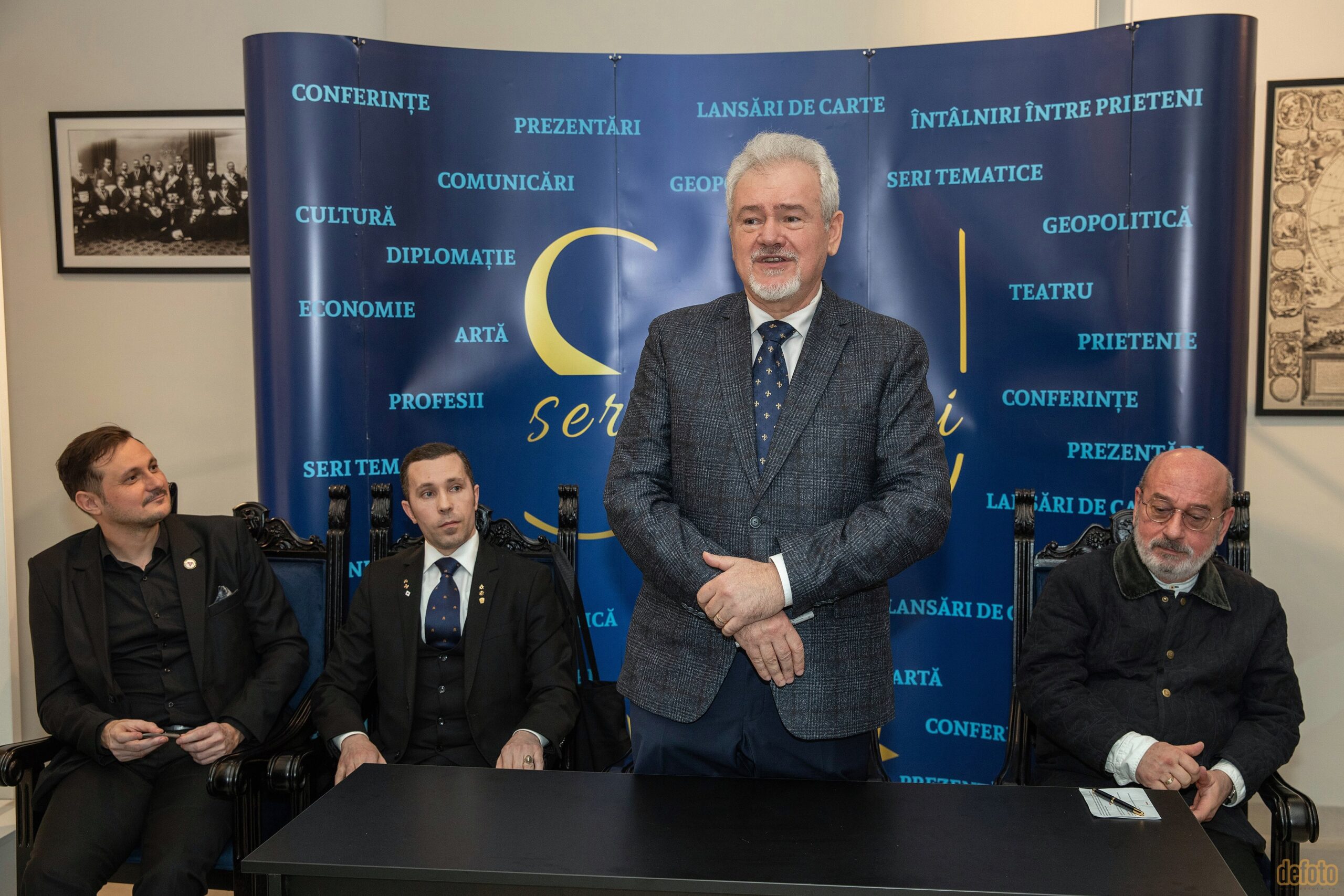
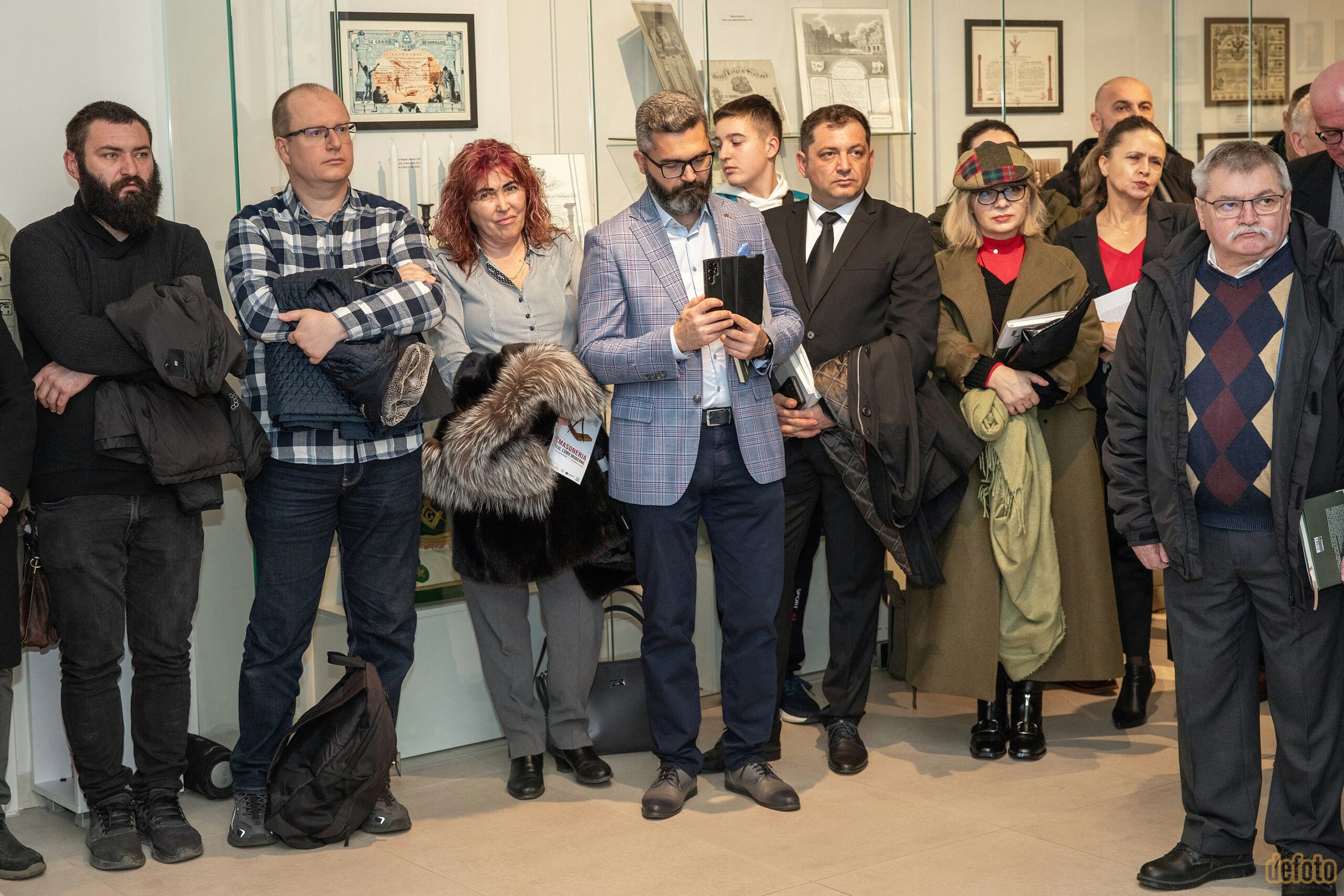
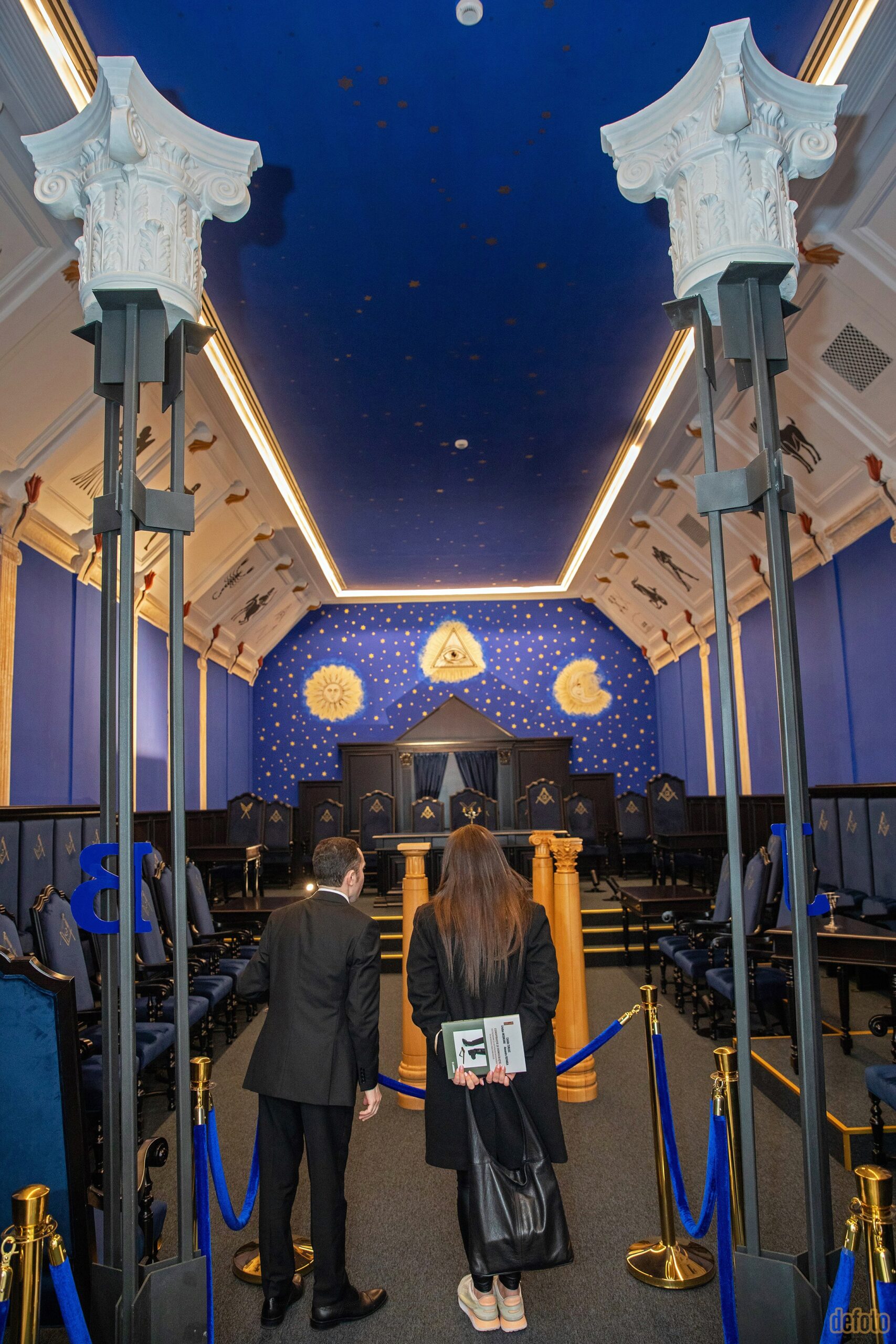
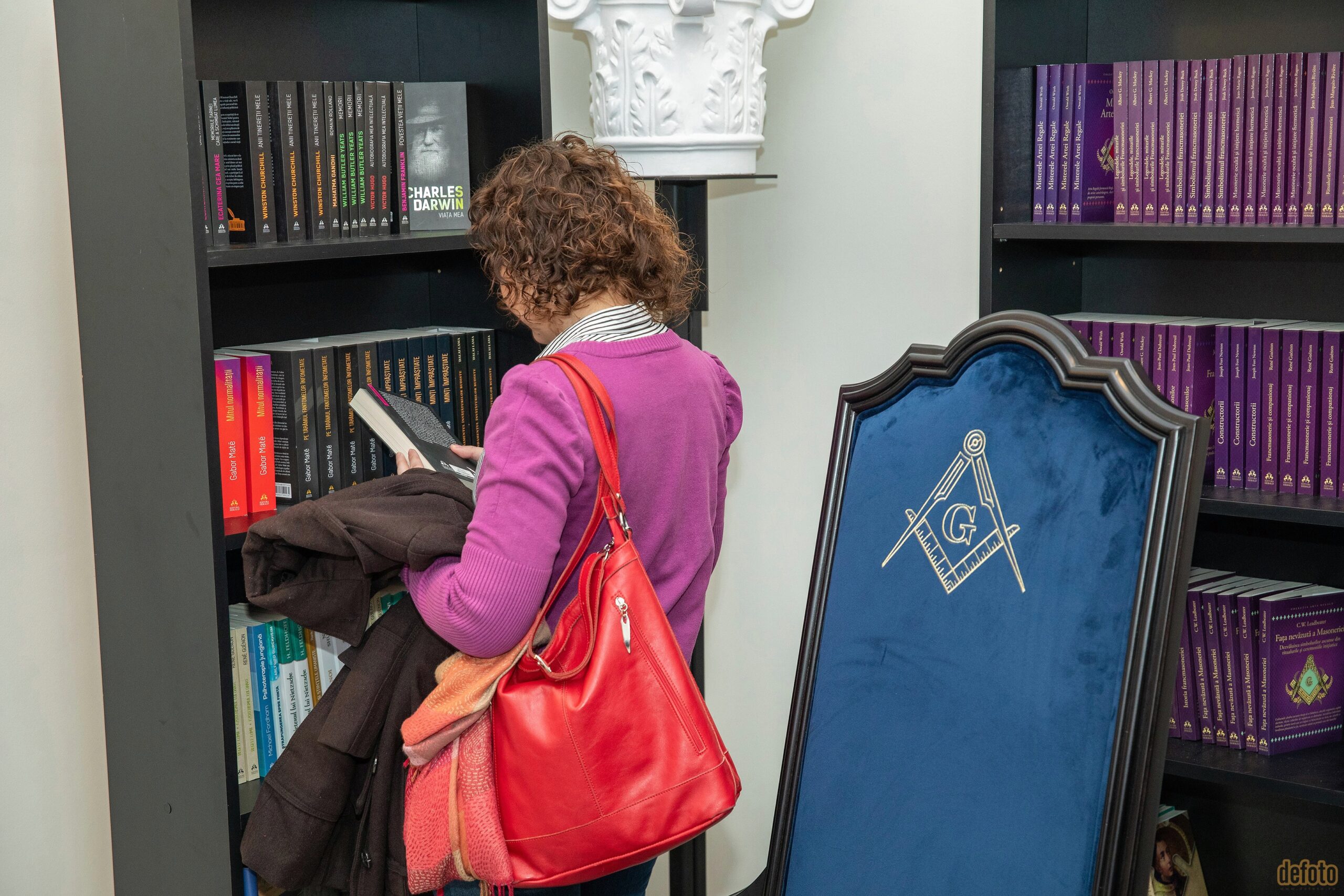
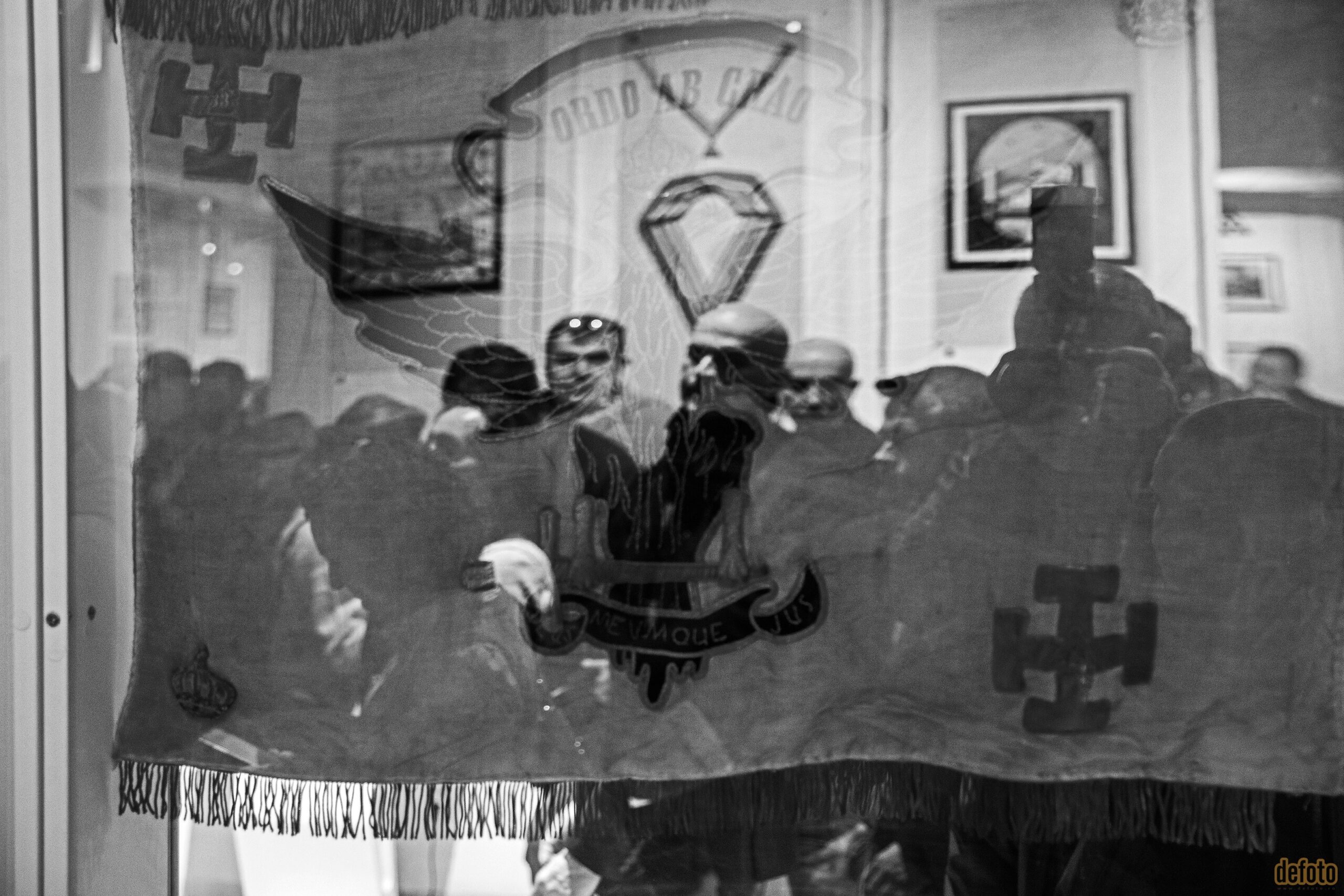
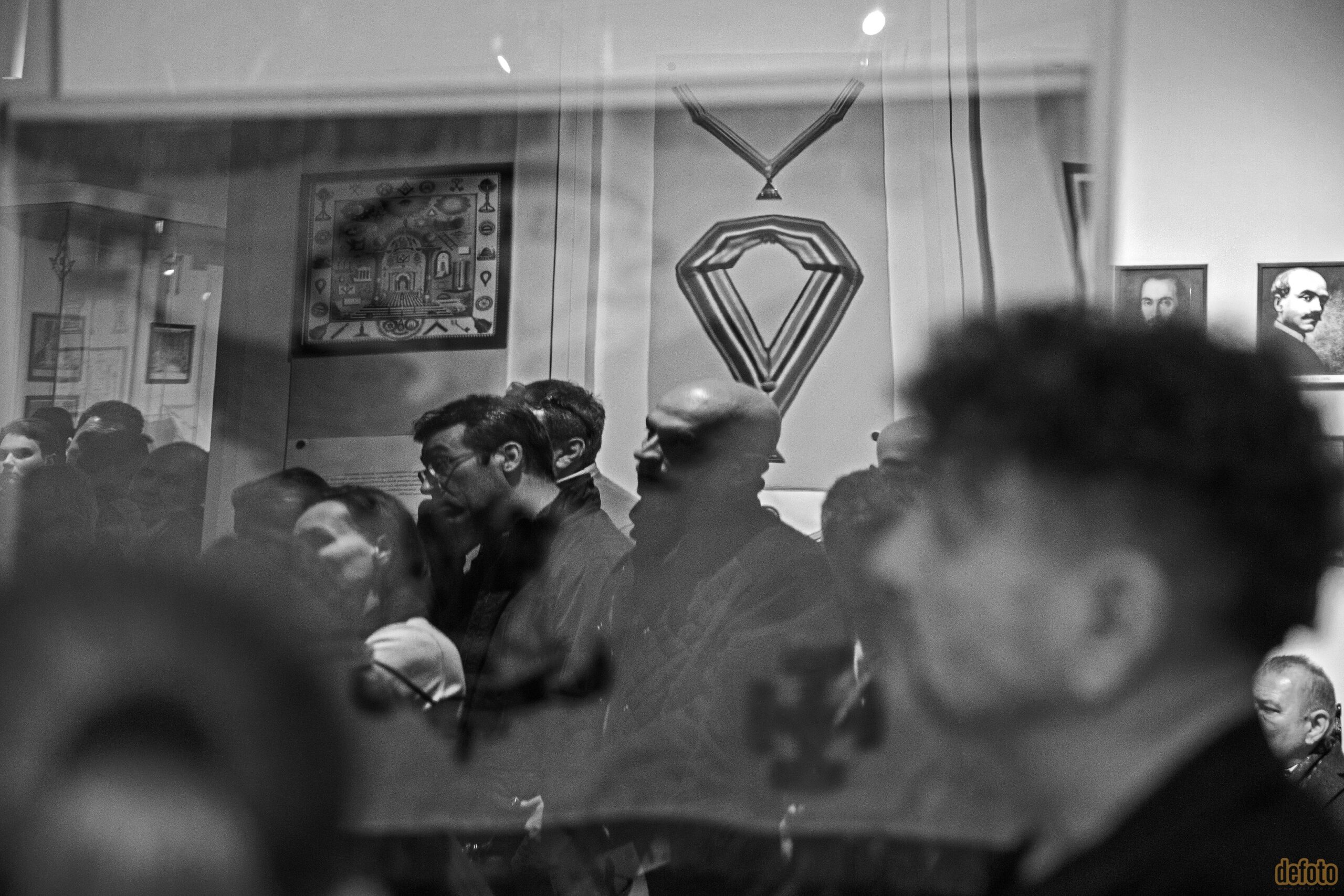
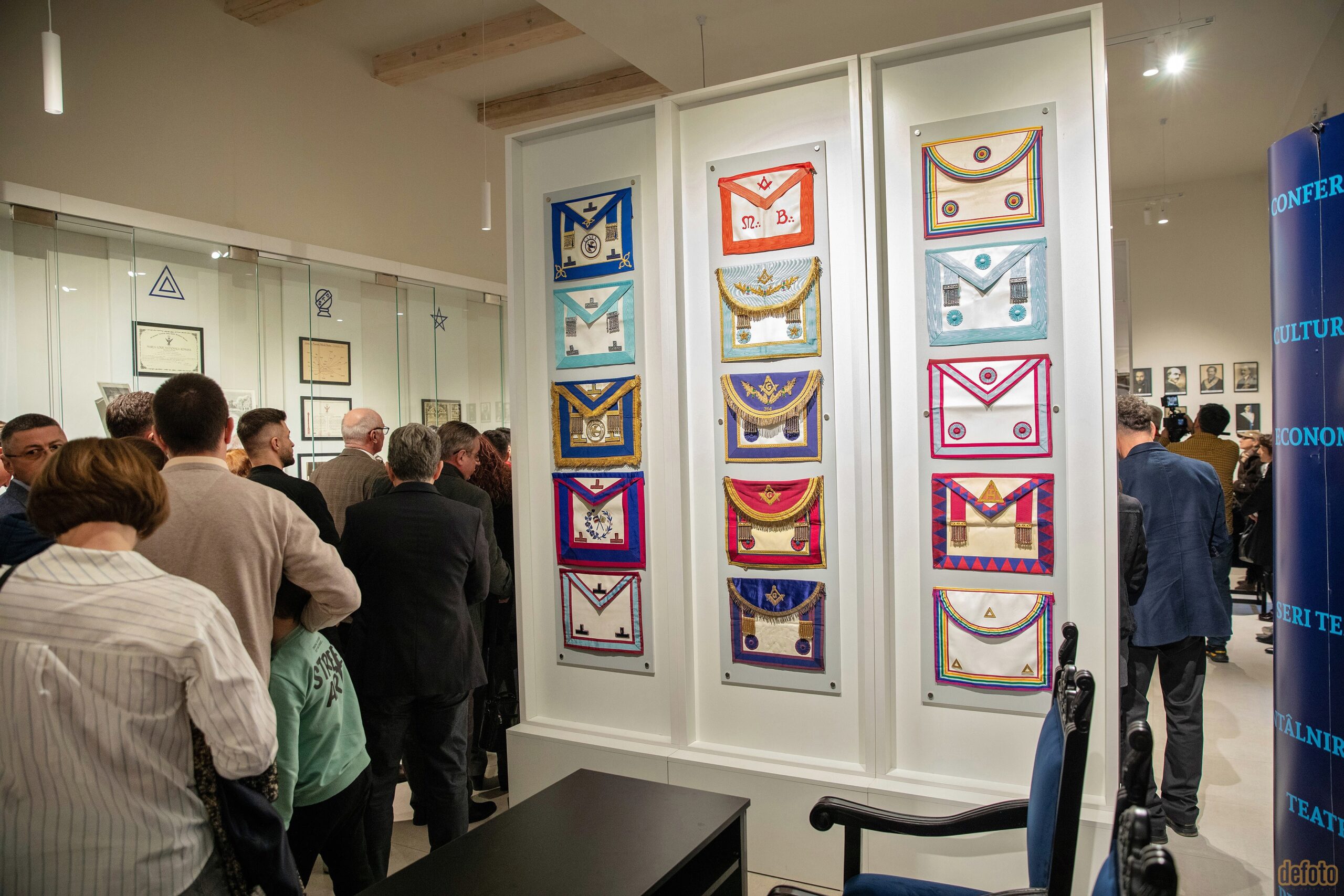
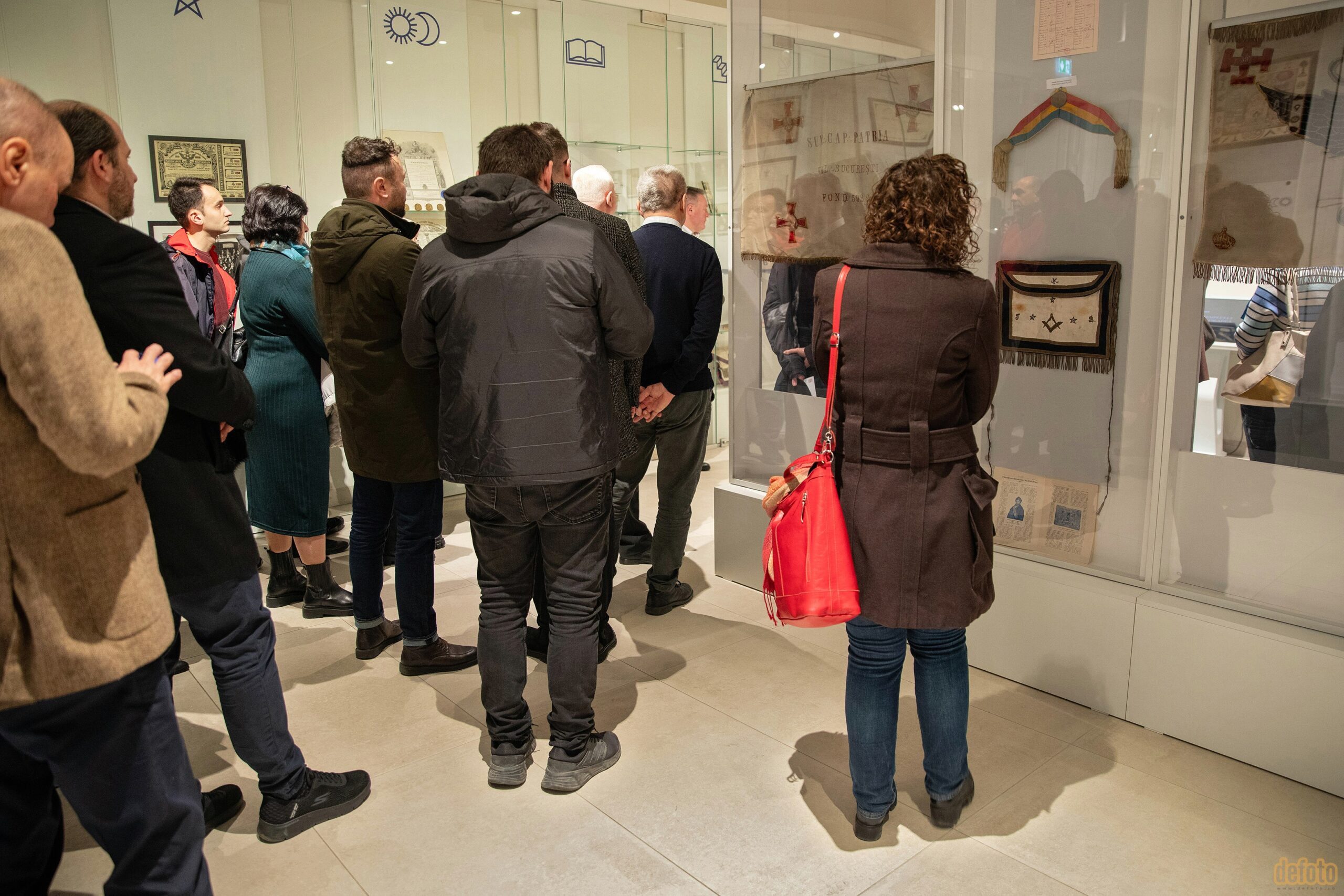
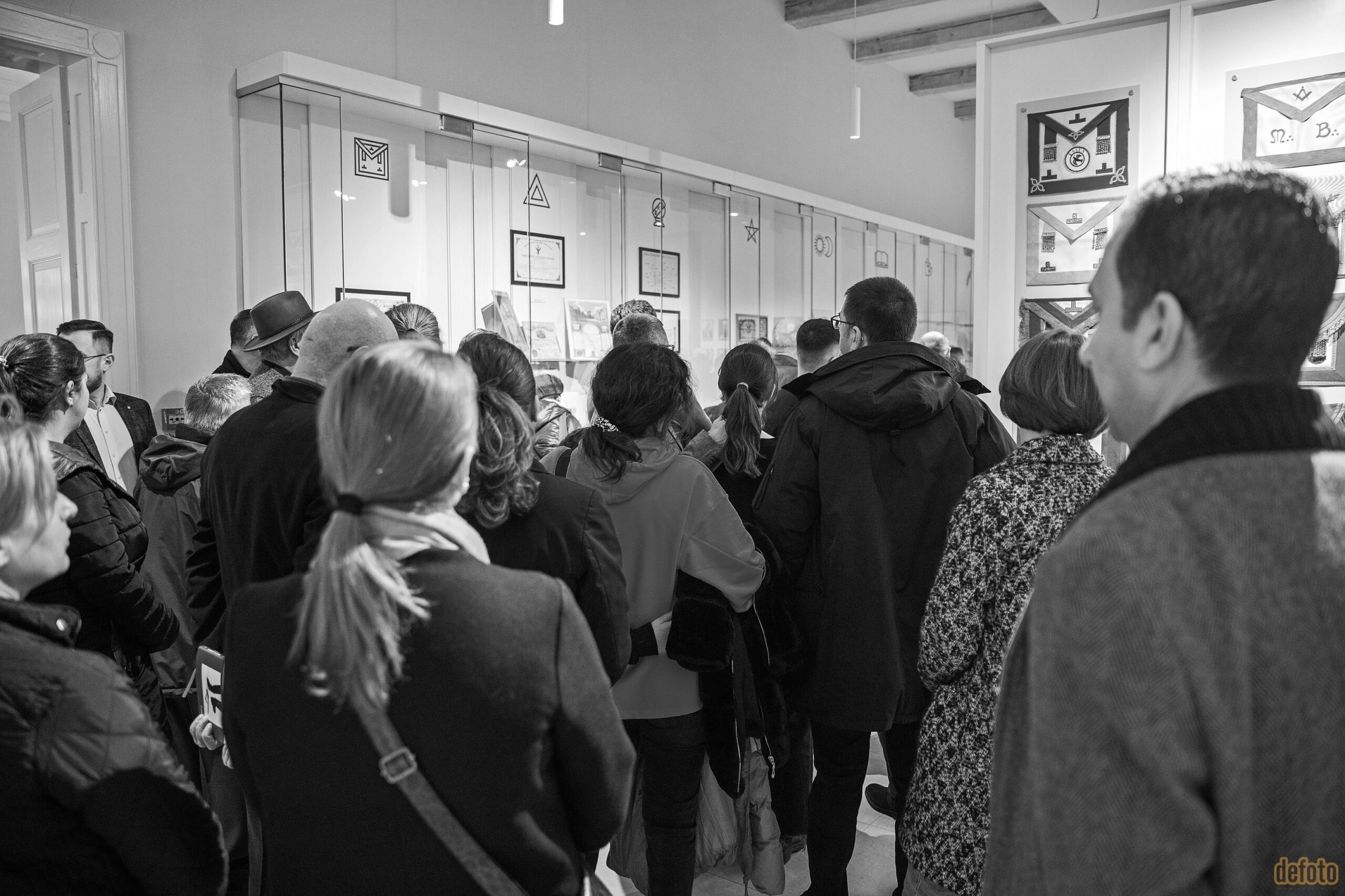
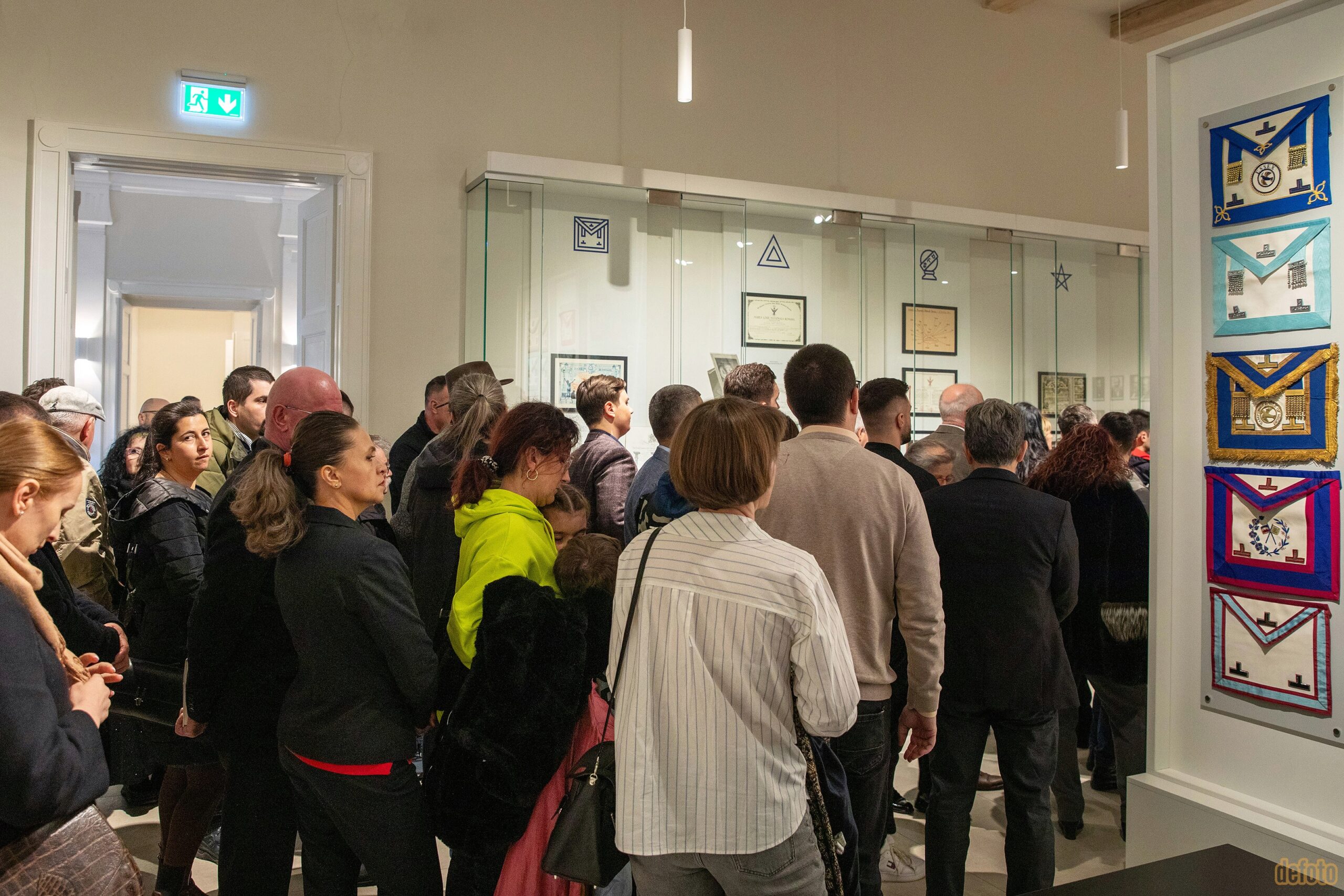
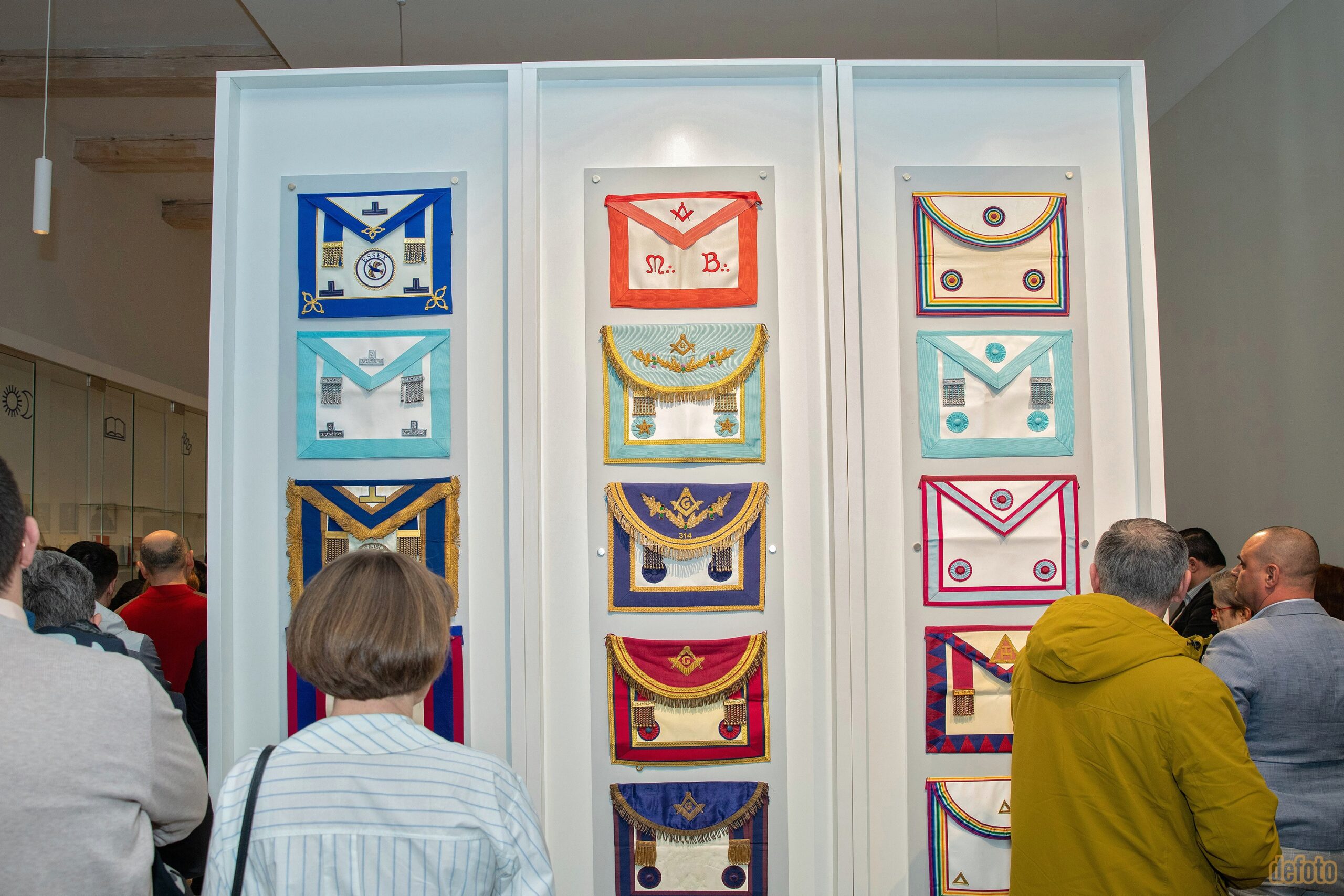
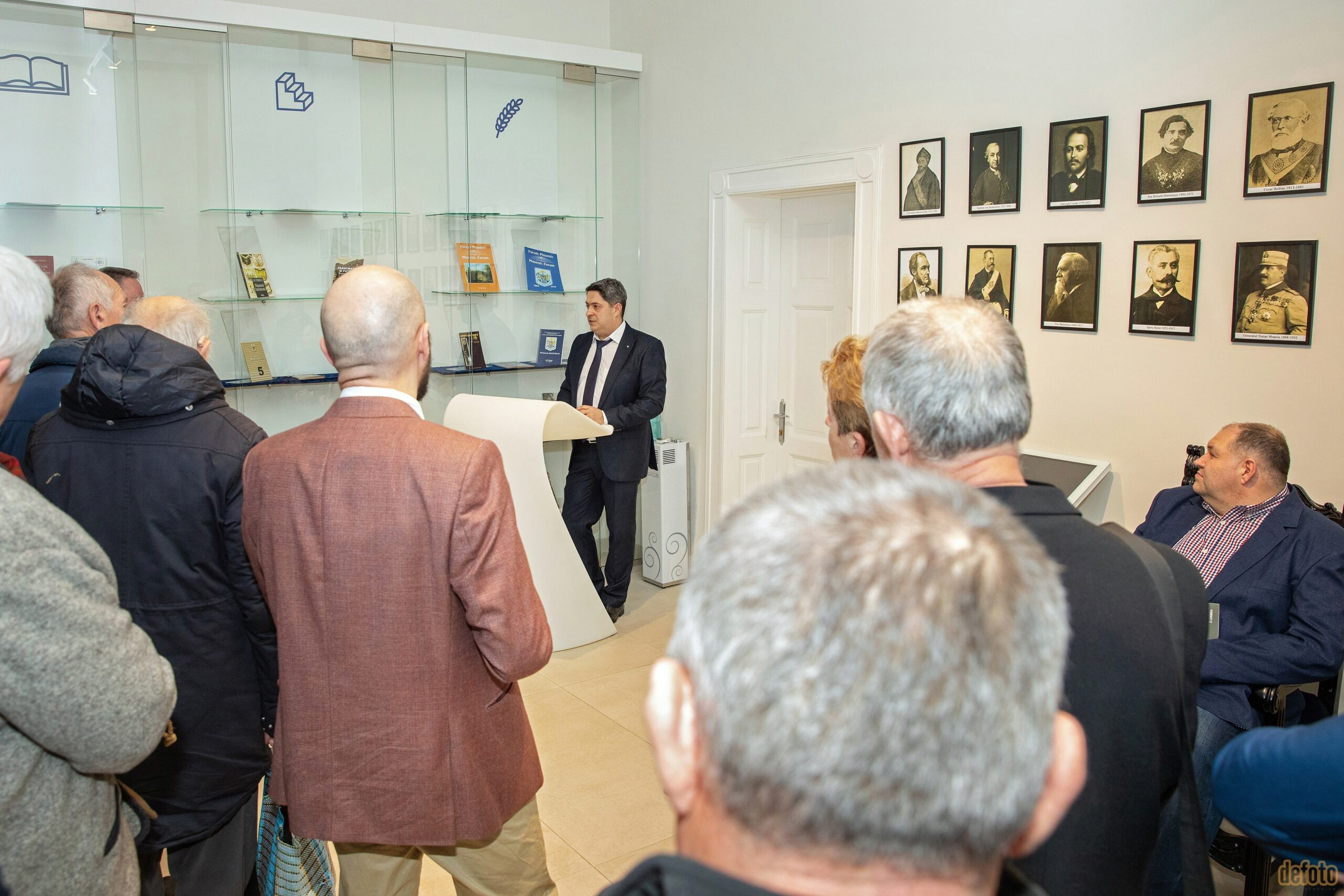
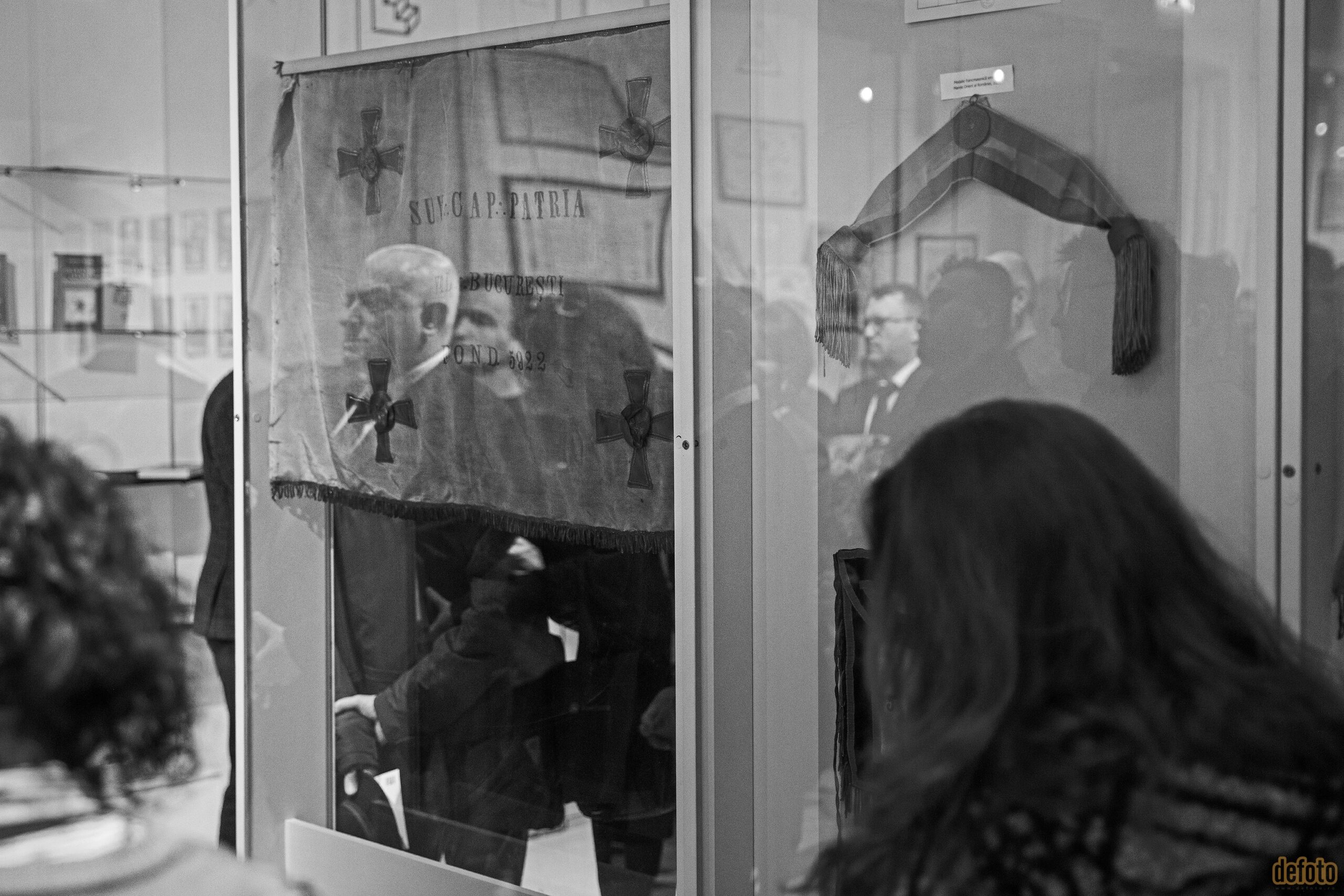
14:30 – 15:30 – Guided tour of the Museum of Freemasonry.
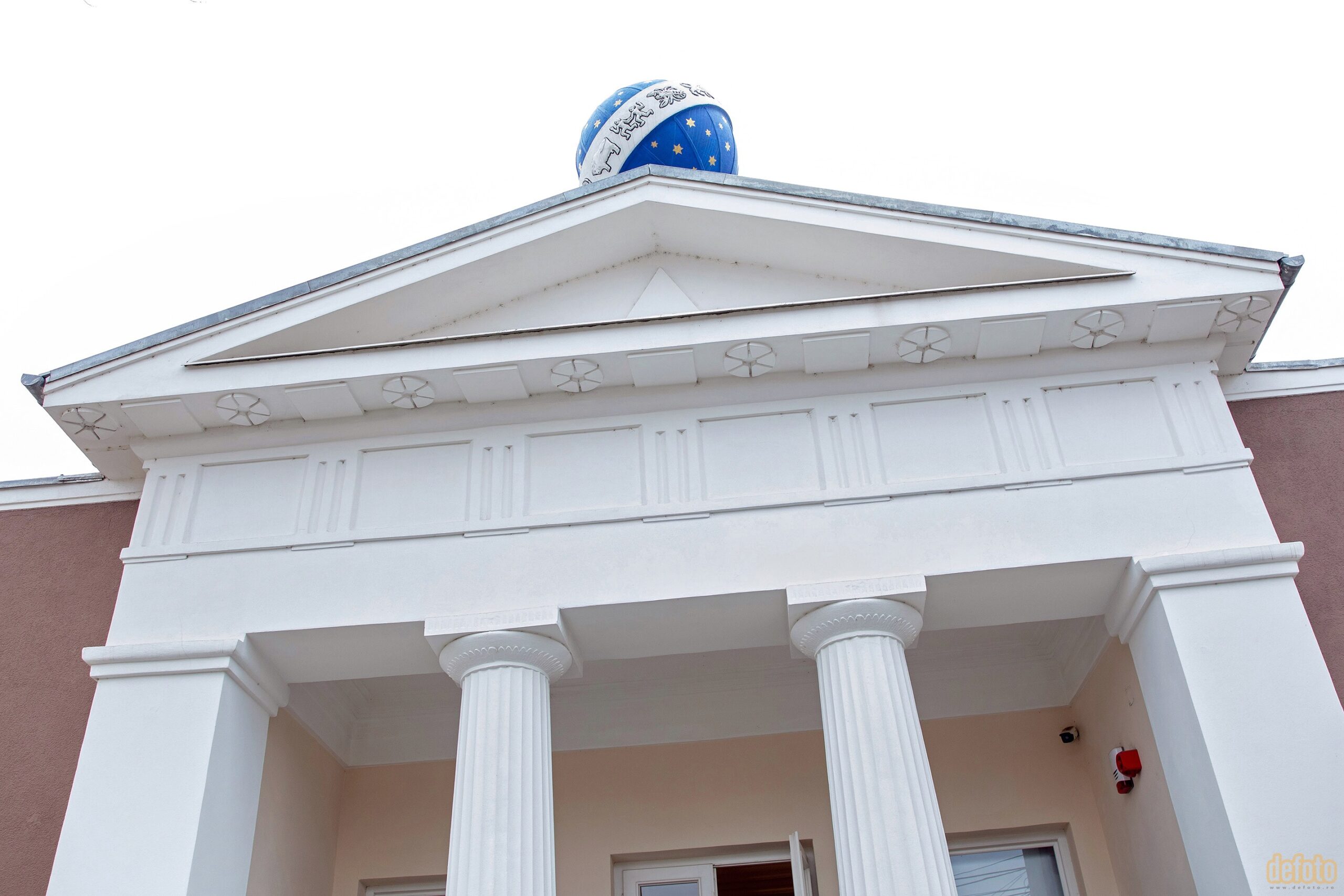
Museum of Freemasonry Oradea, 4 Armatei Române Street.
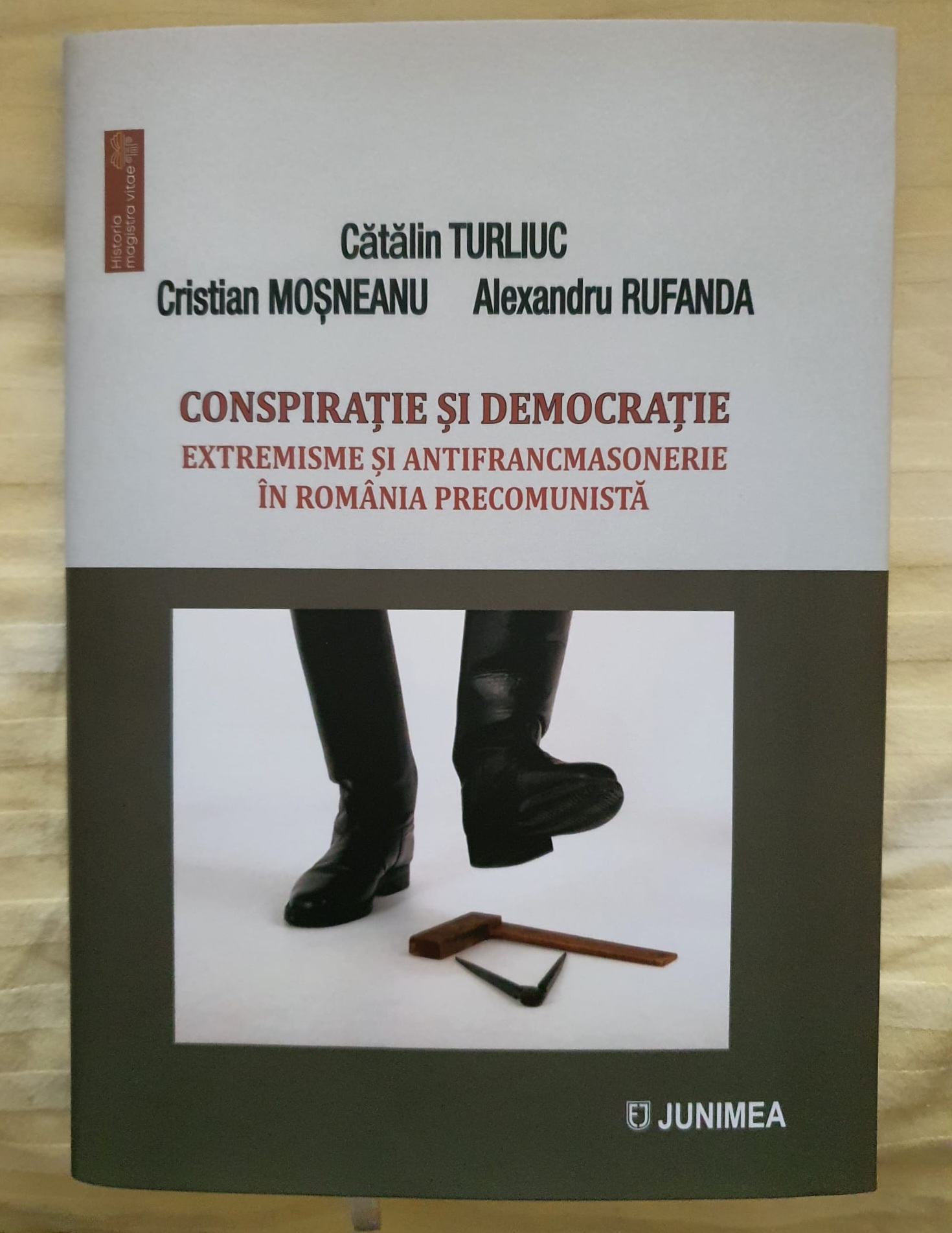
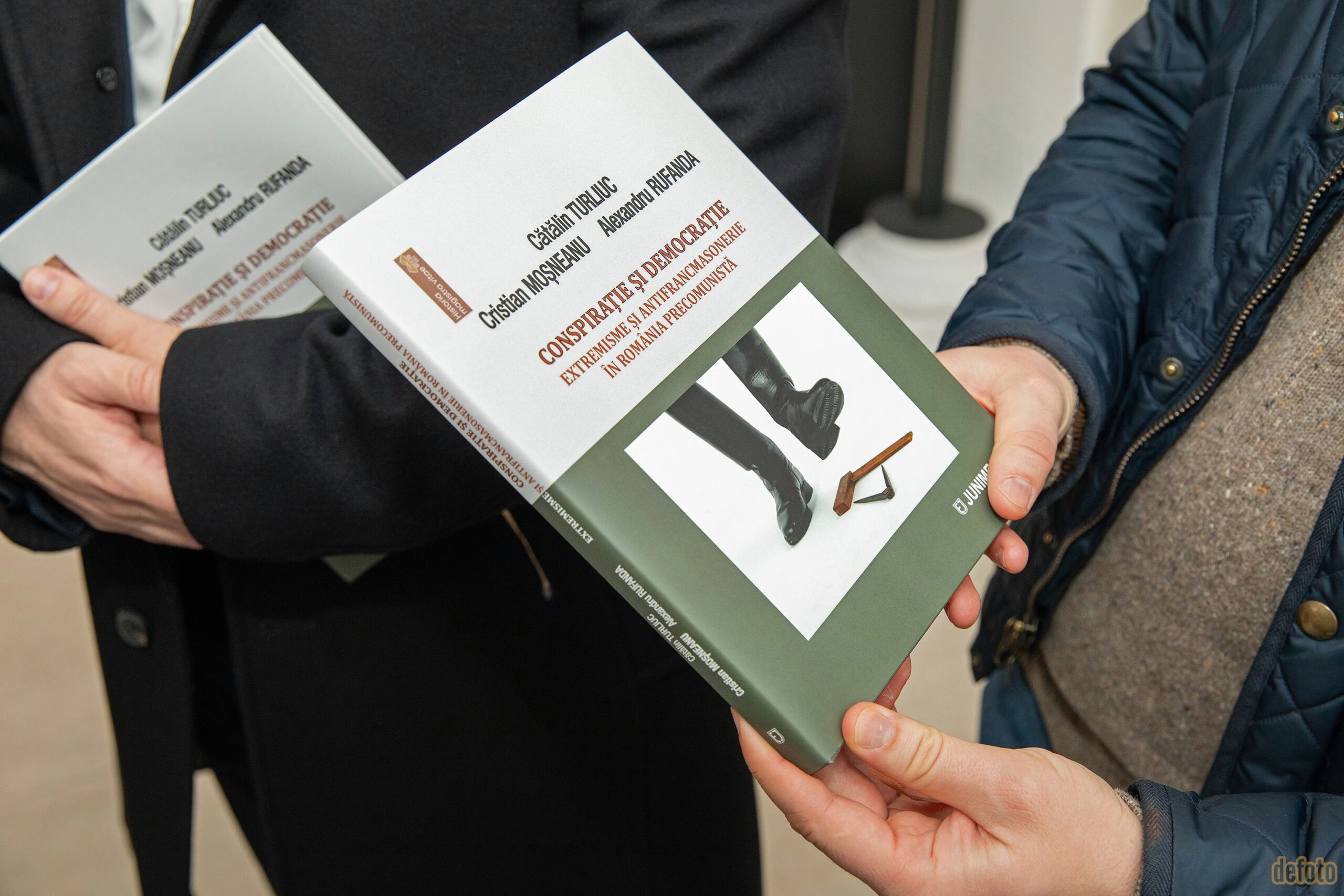
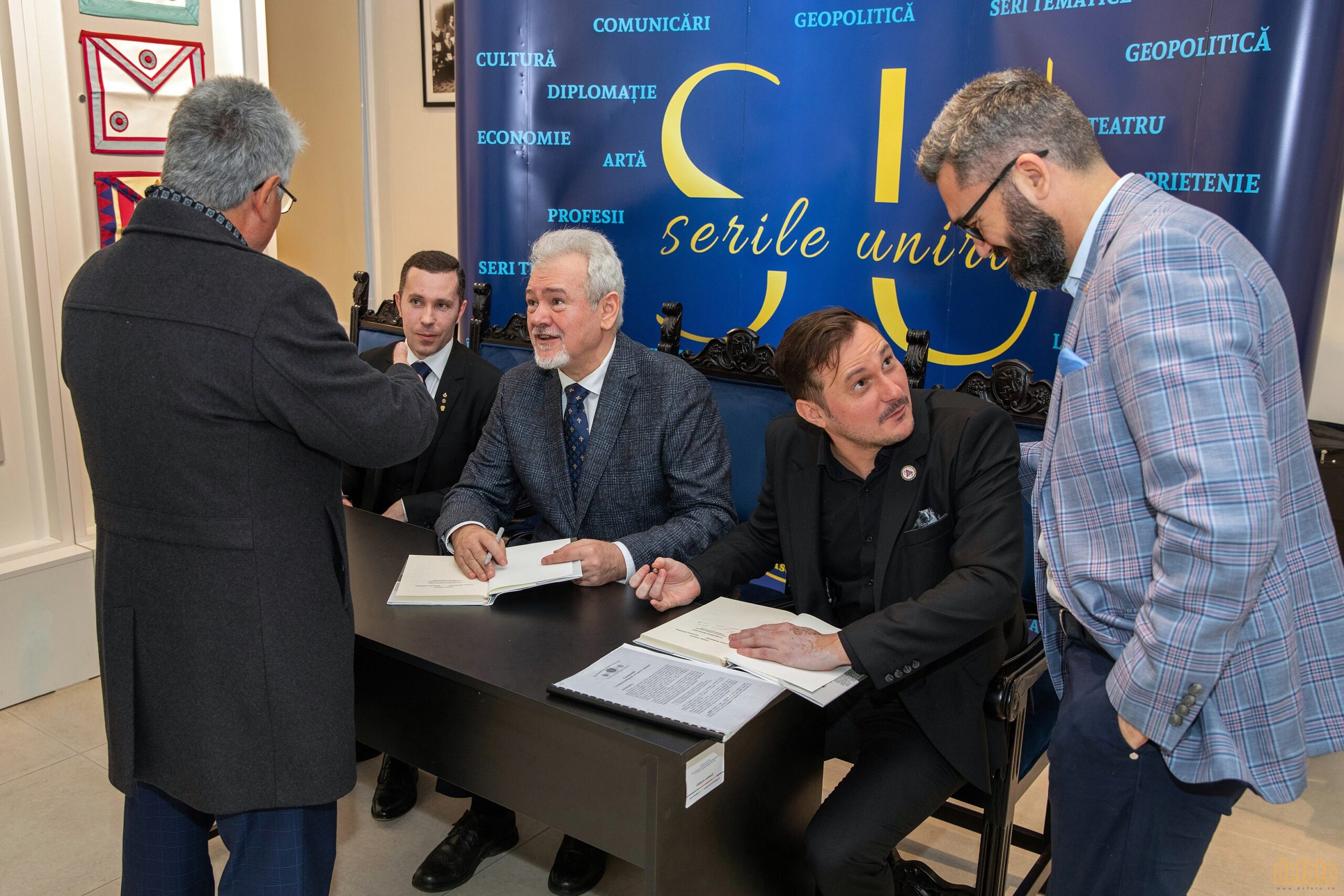
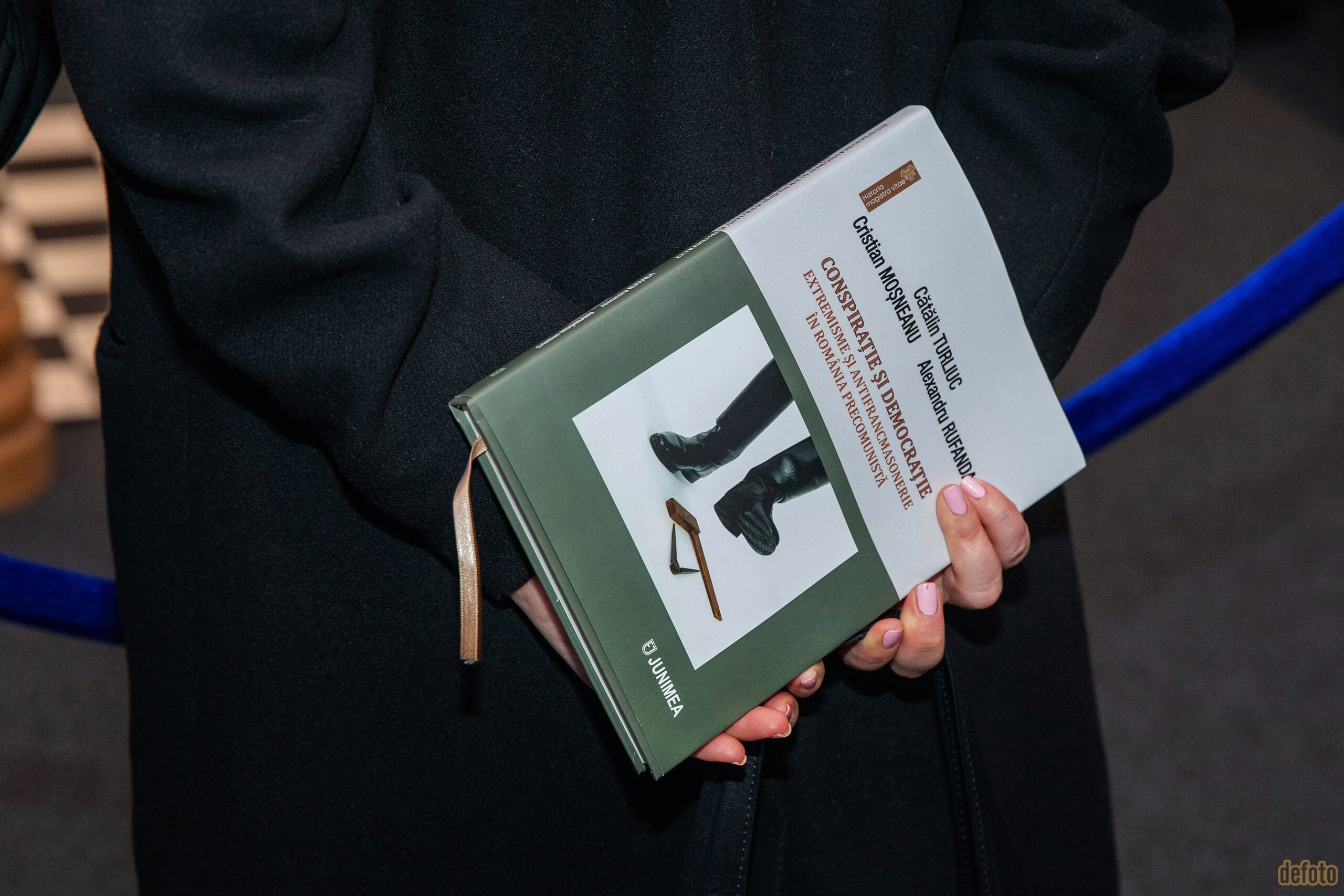
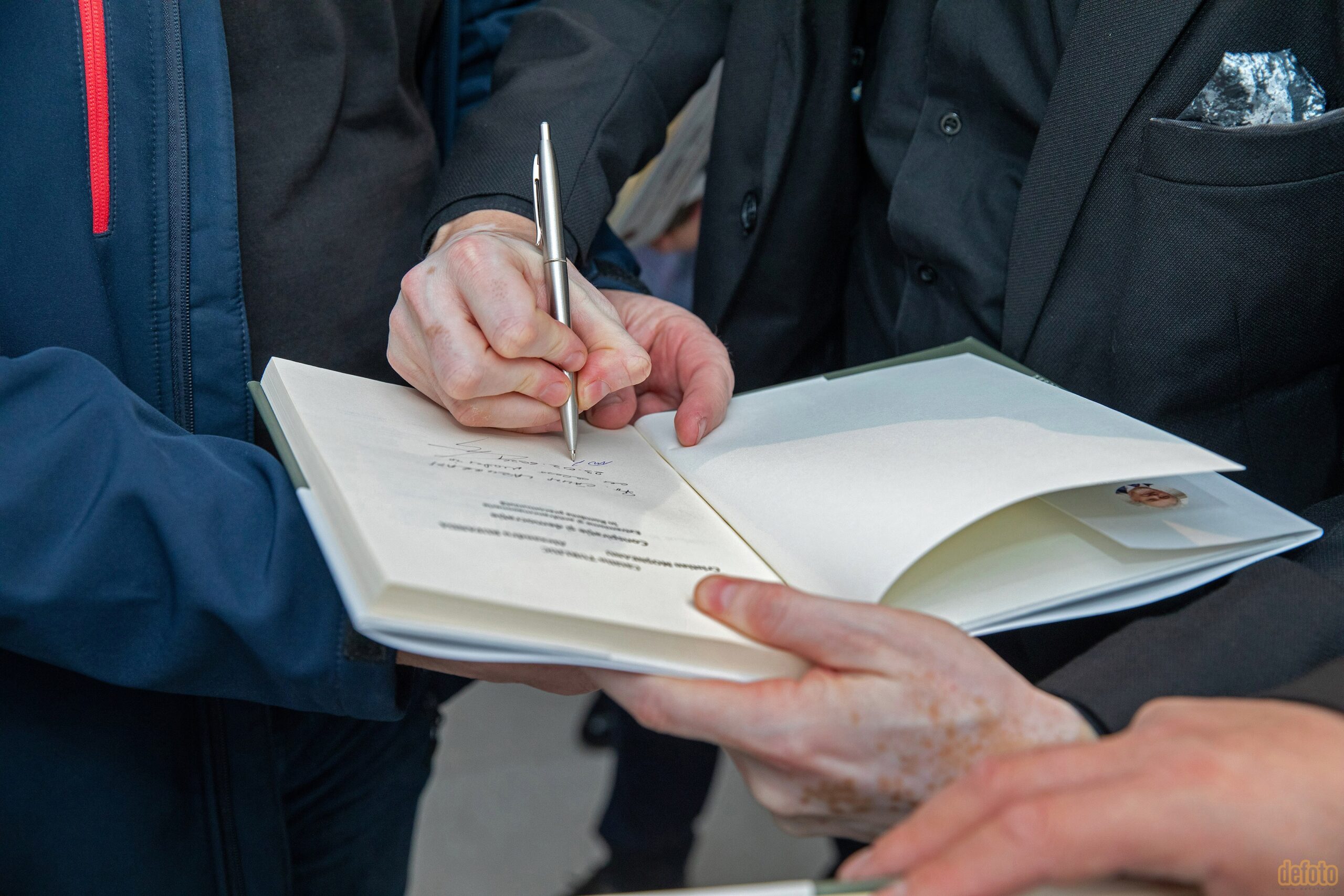
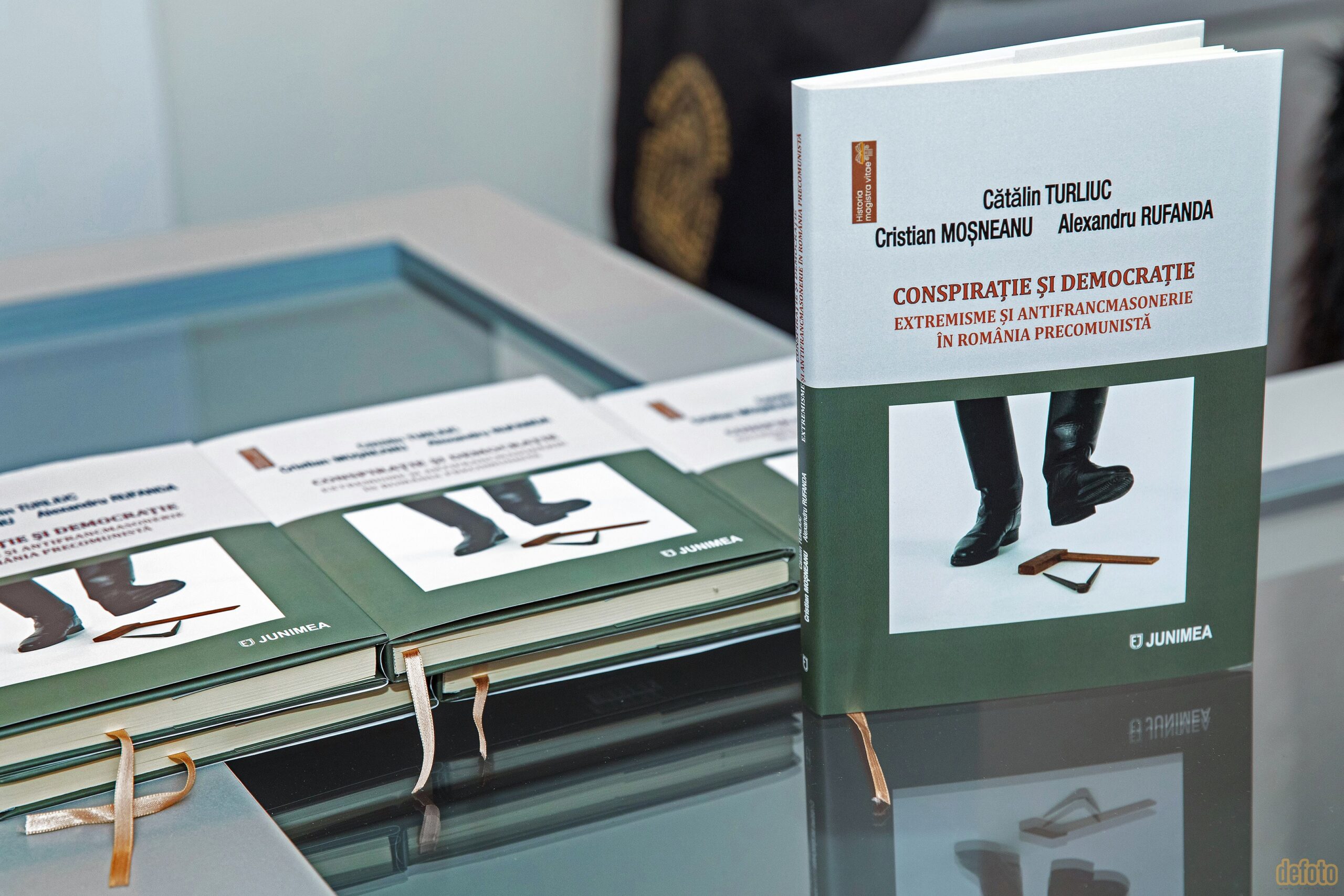
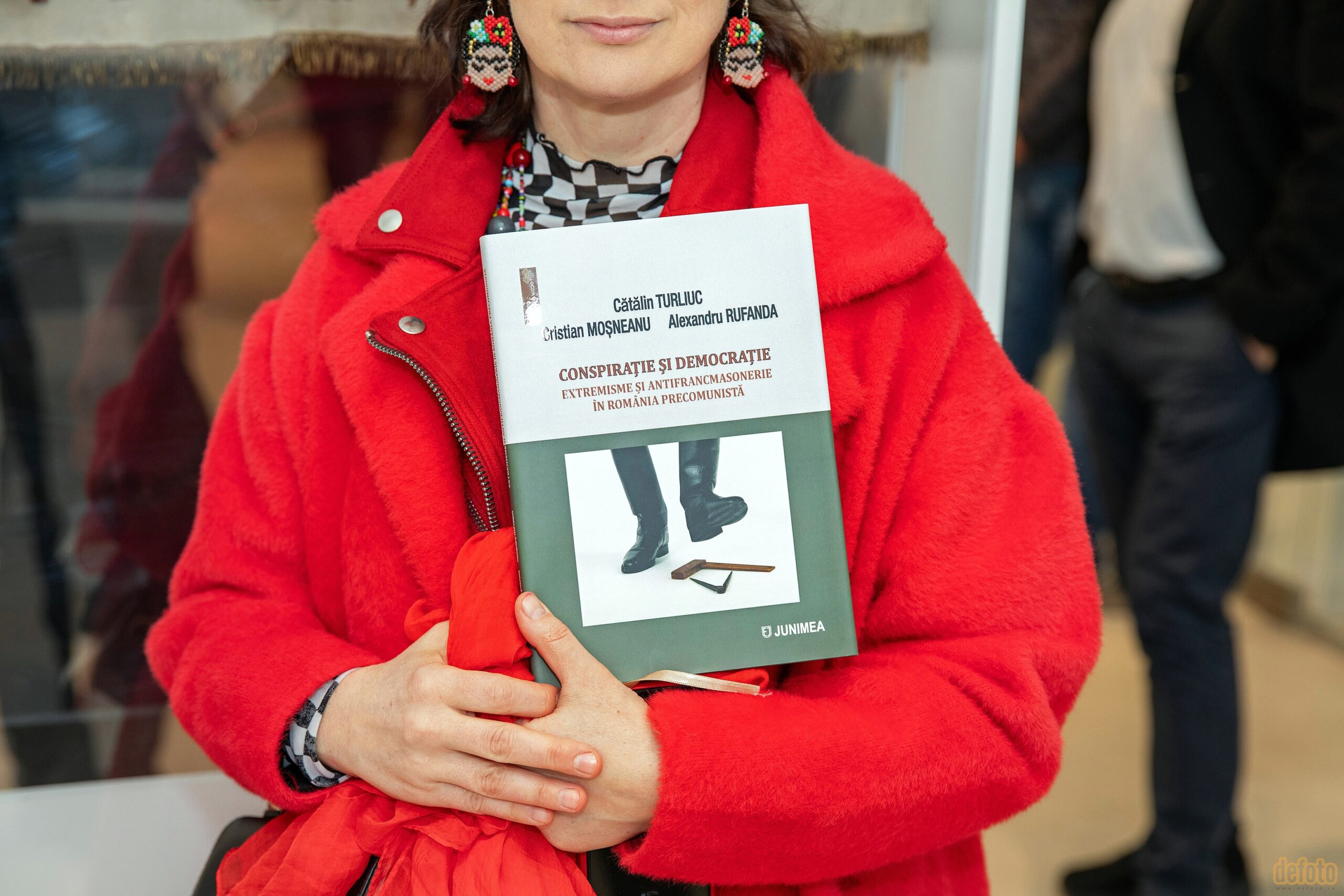
15:30 – 16:30 – Book launch: C. Turliuc, C. Moșneanu, A. Rufanda – “Conspiracy and Democracy. Extremism and Anti-Freemasonry in Pre-Communist Romania”.
Museum of Freemasonry Oradea, 4 Armatei Române Street.
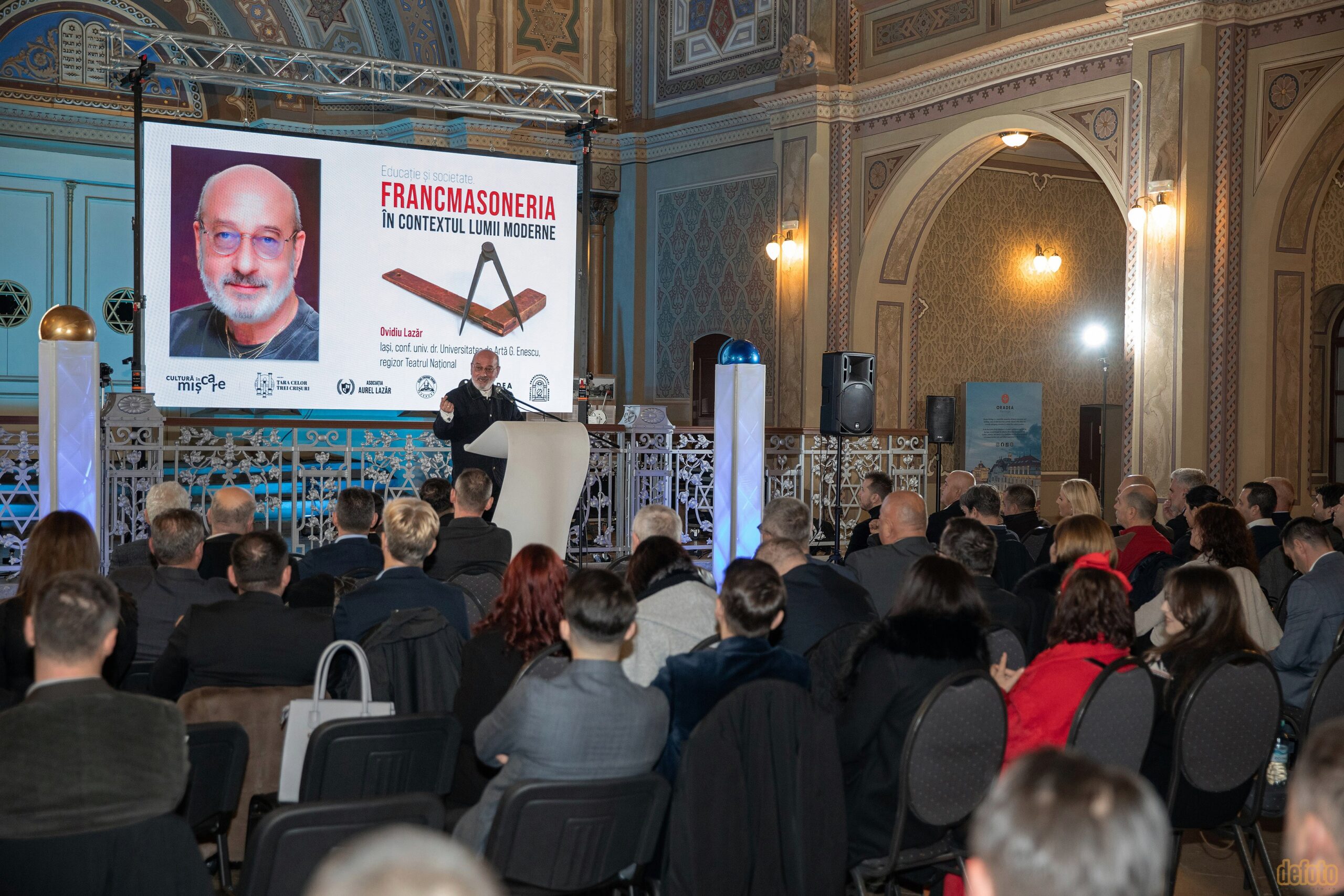
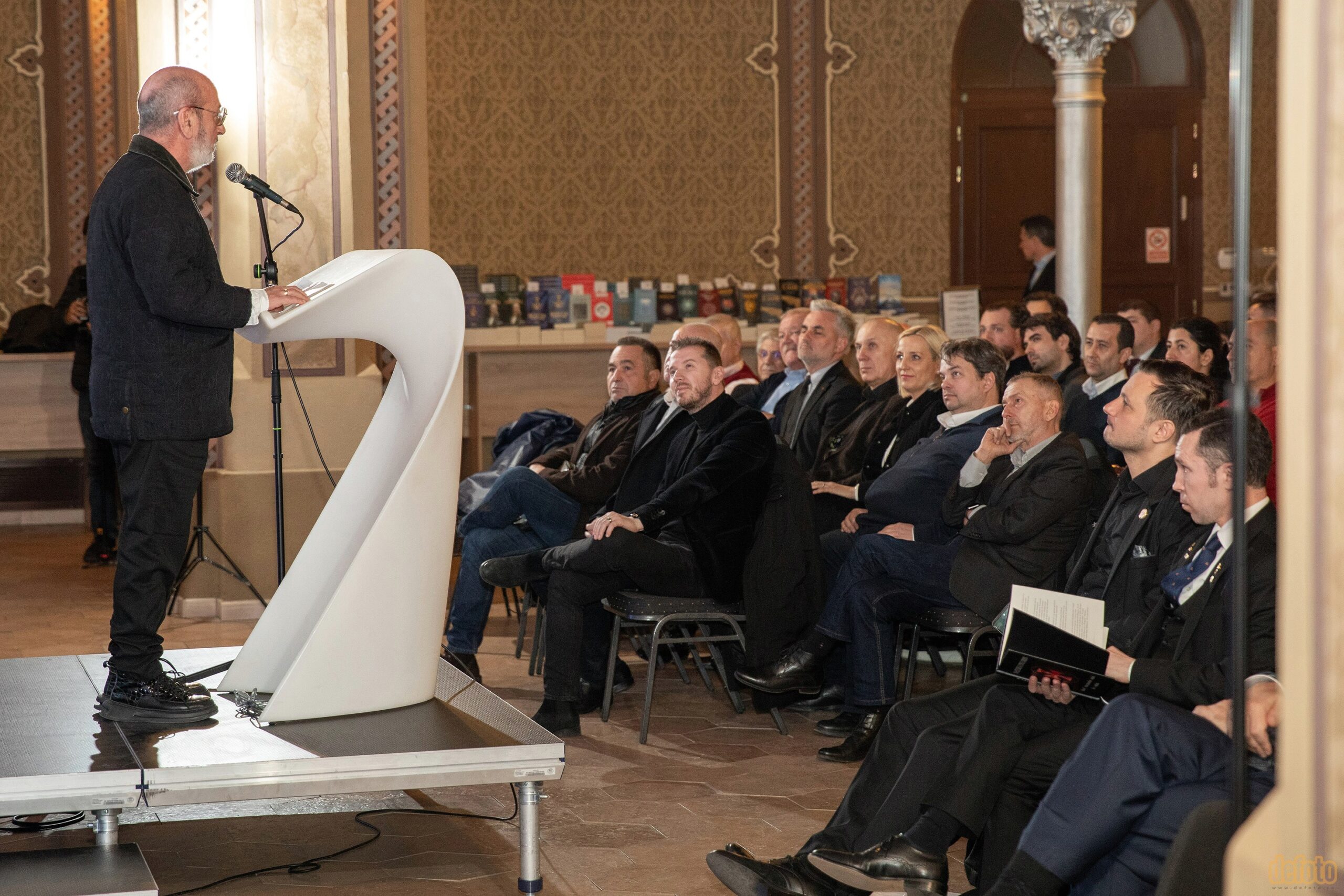
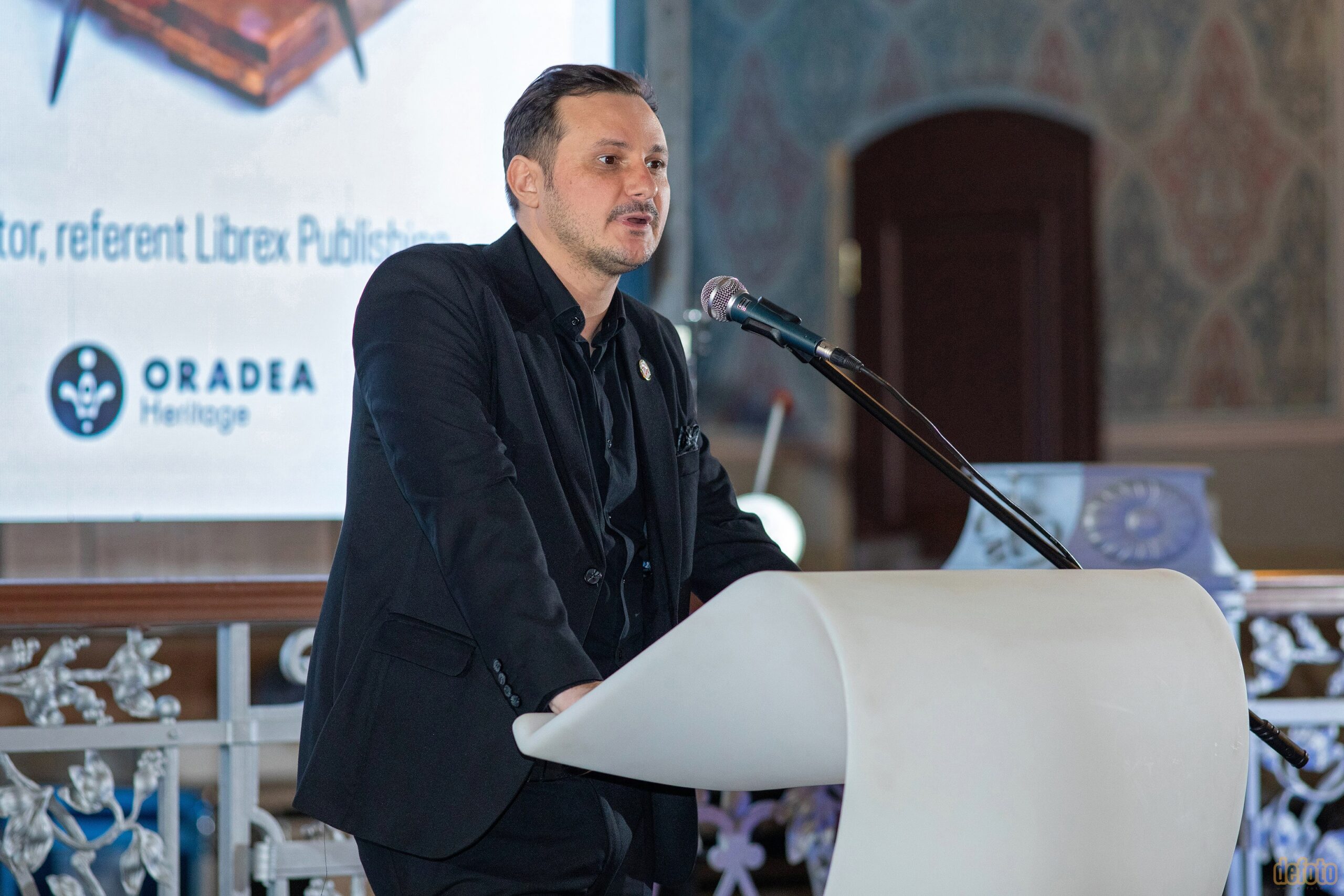
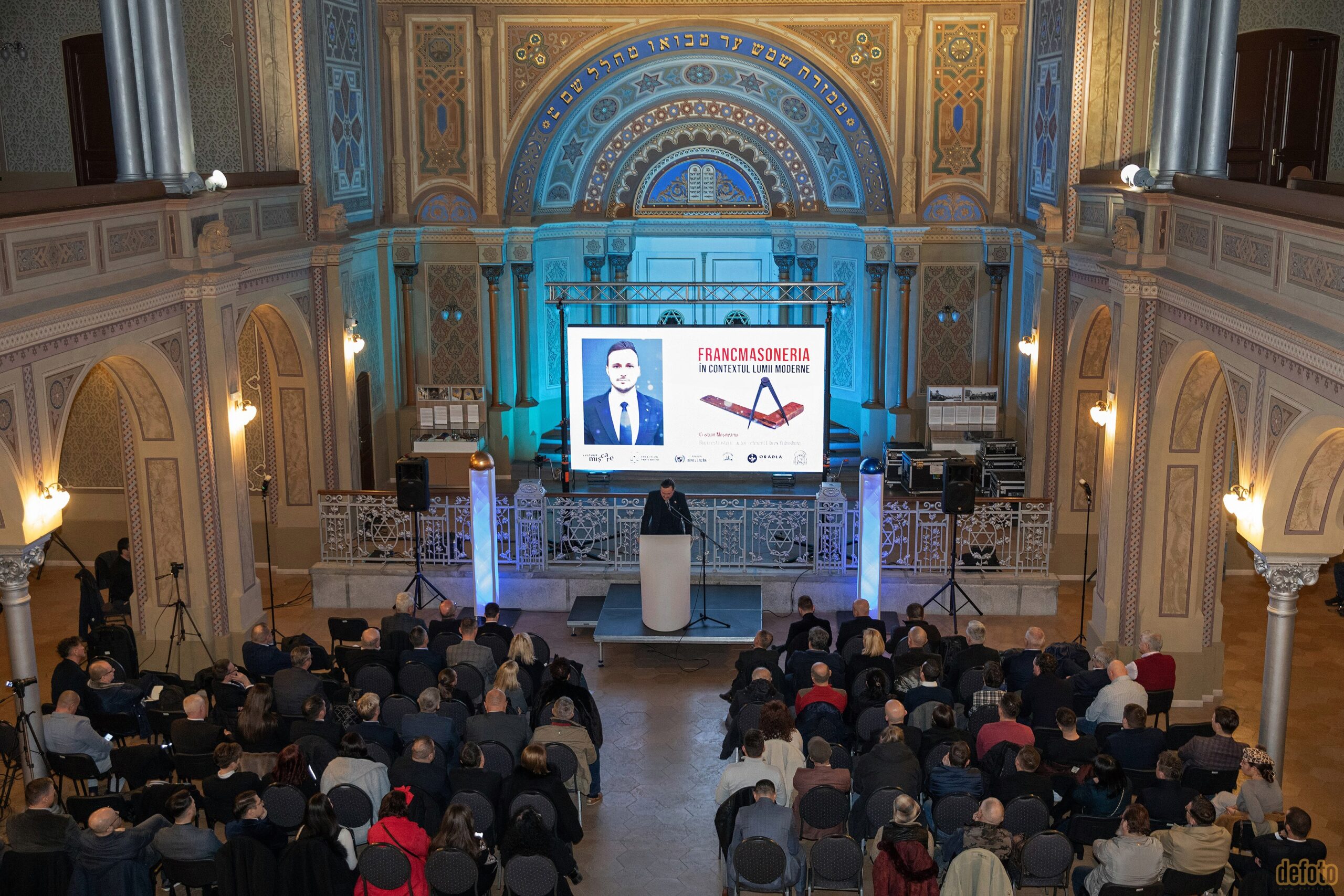
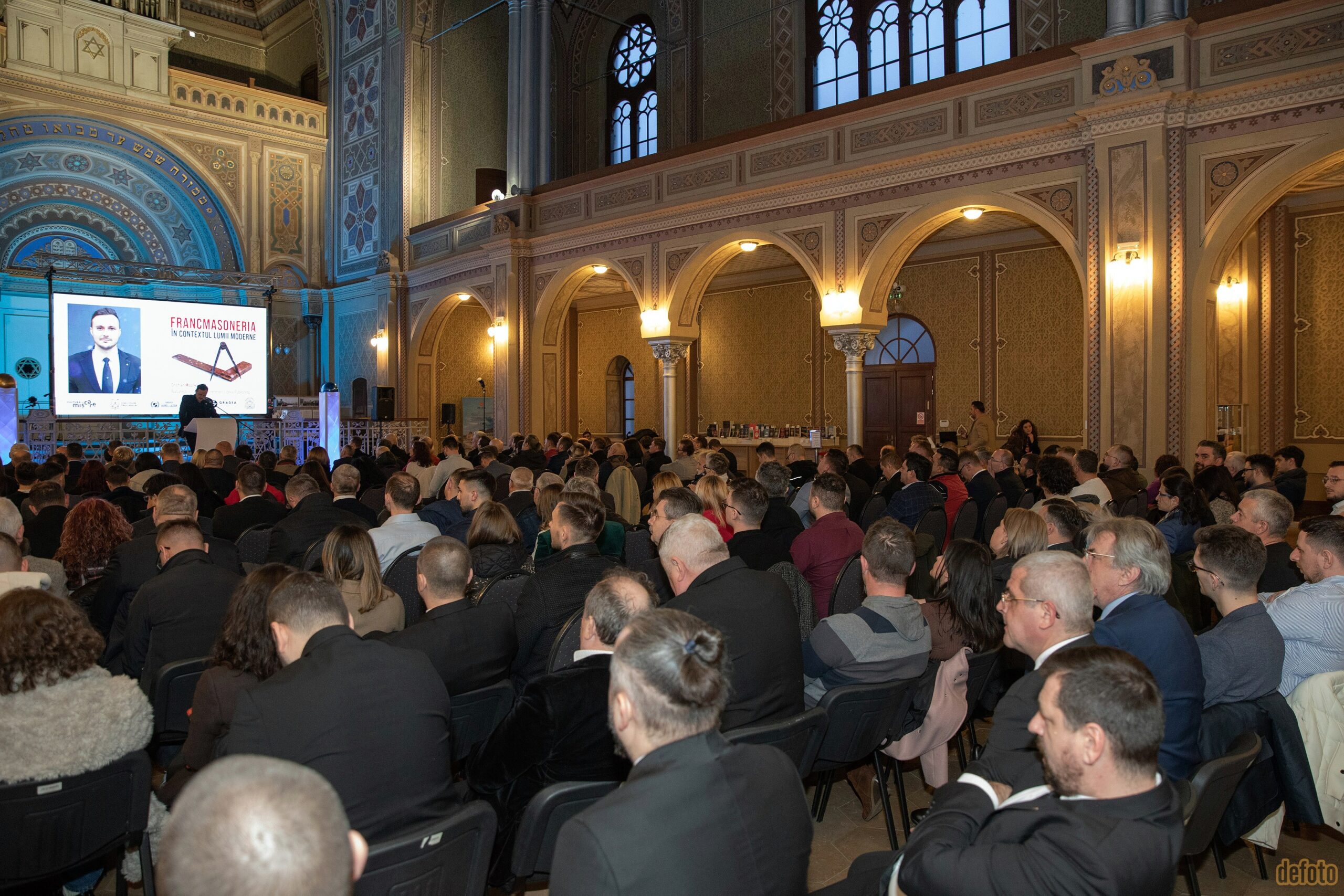
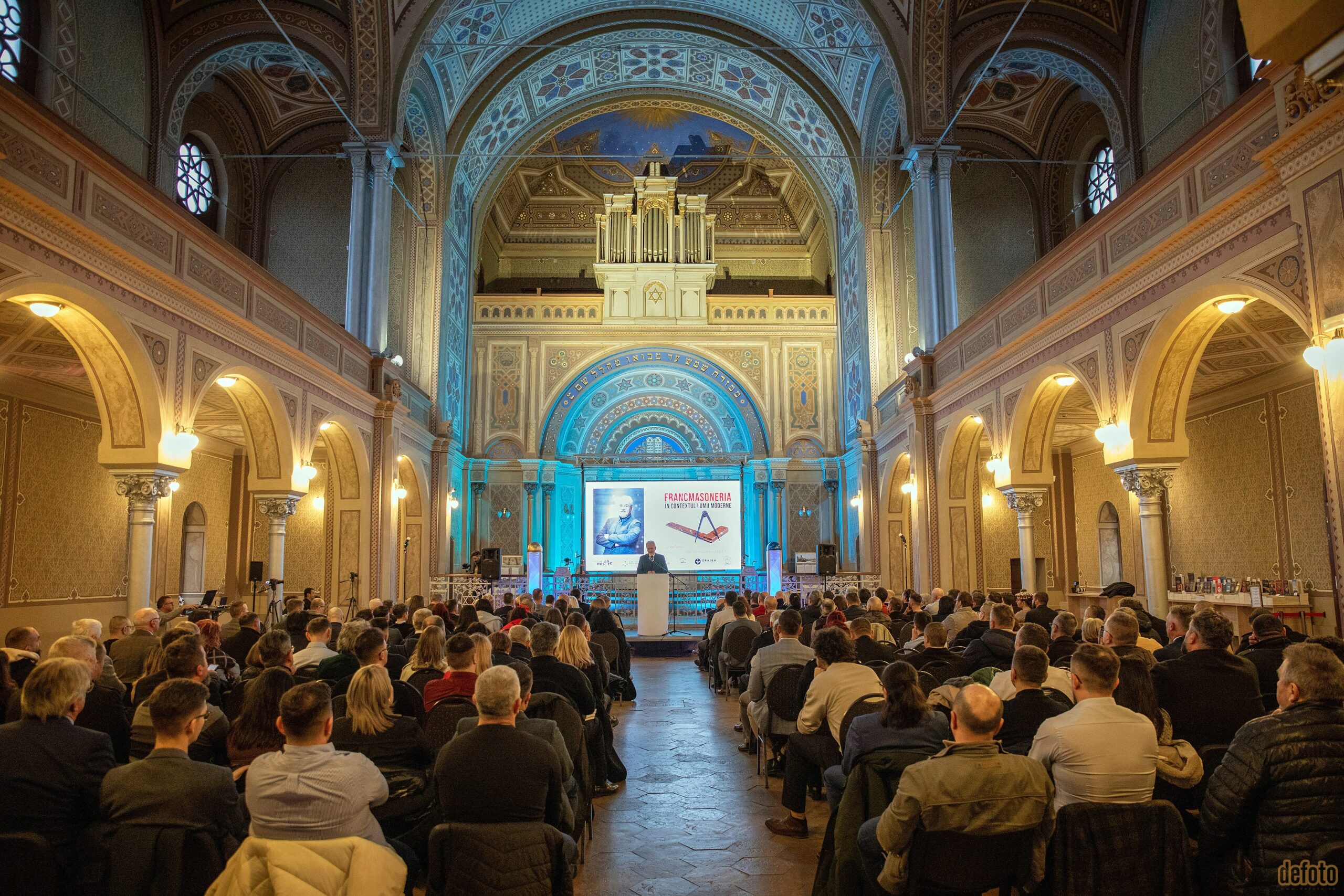
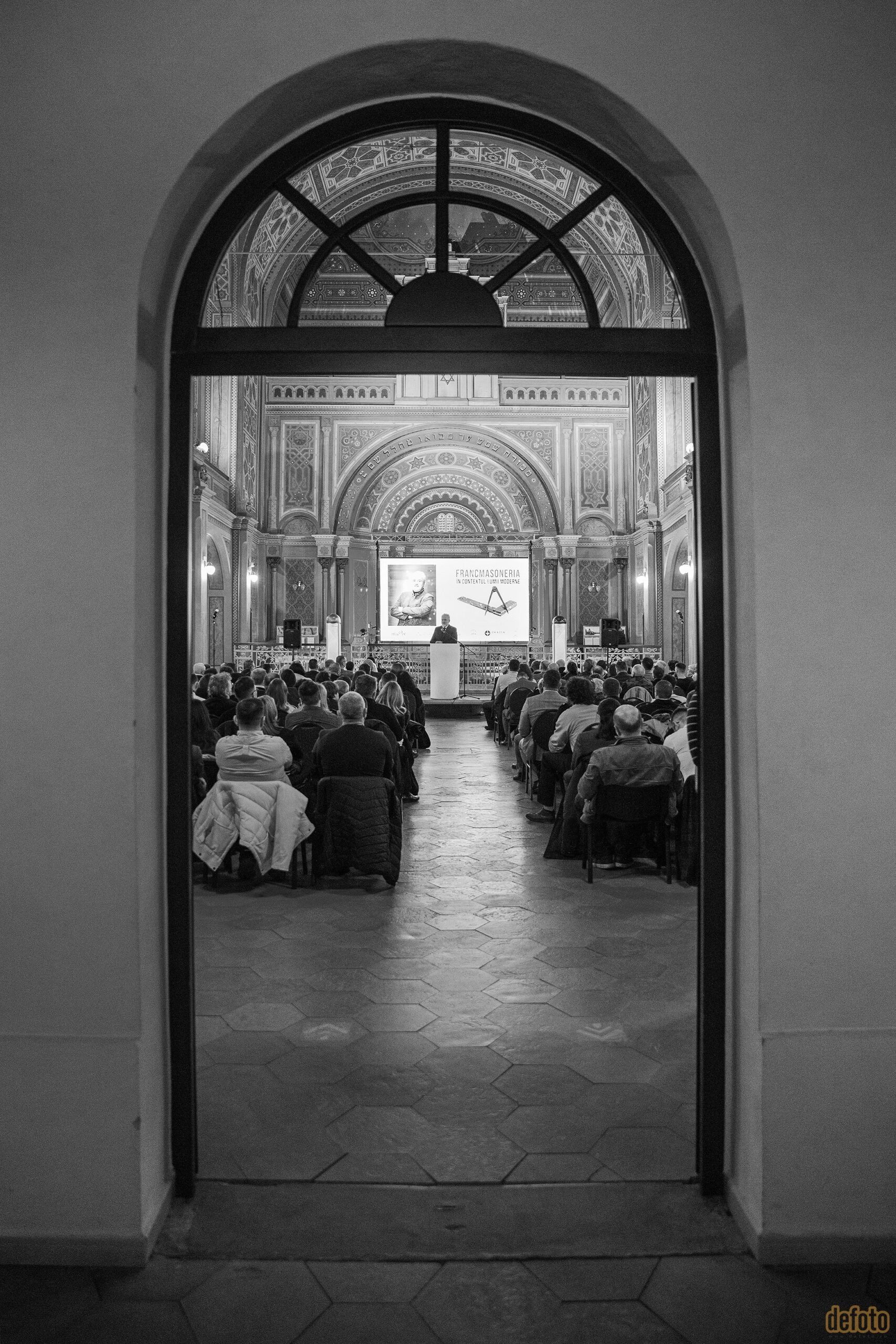
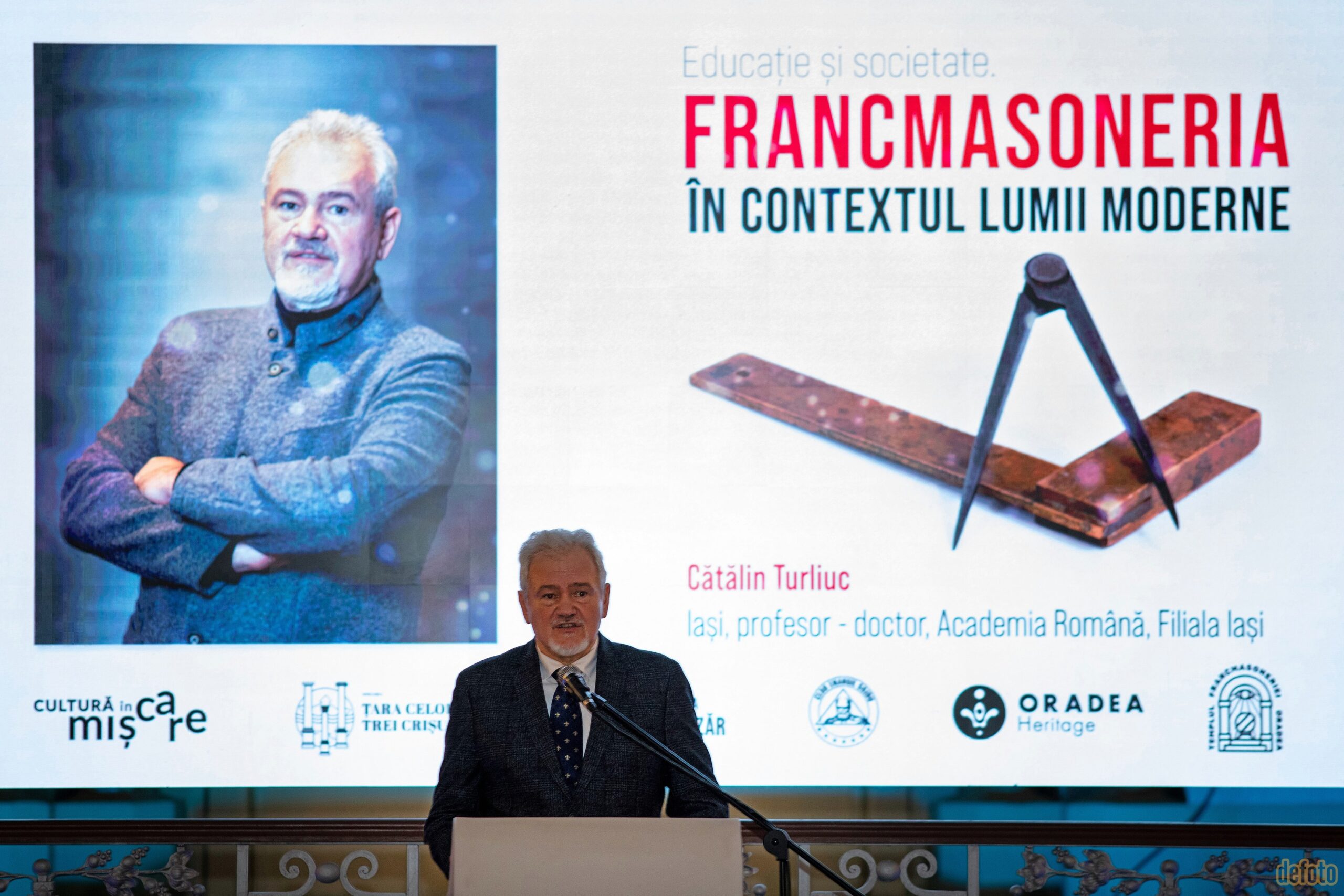
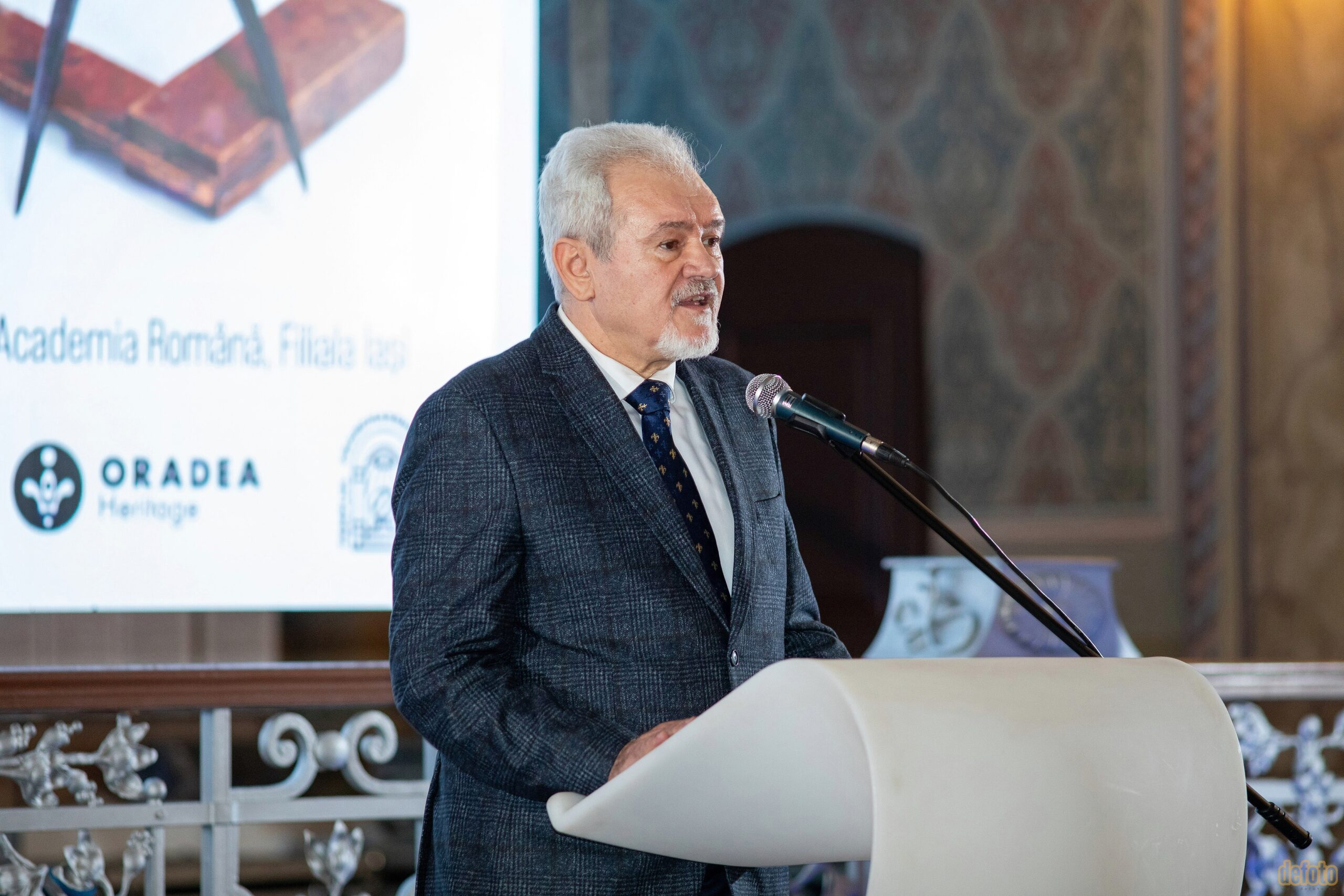
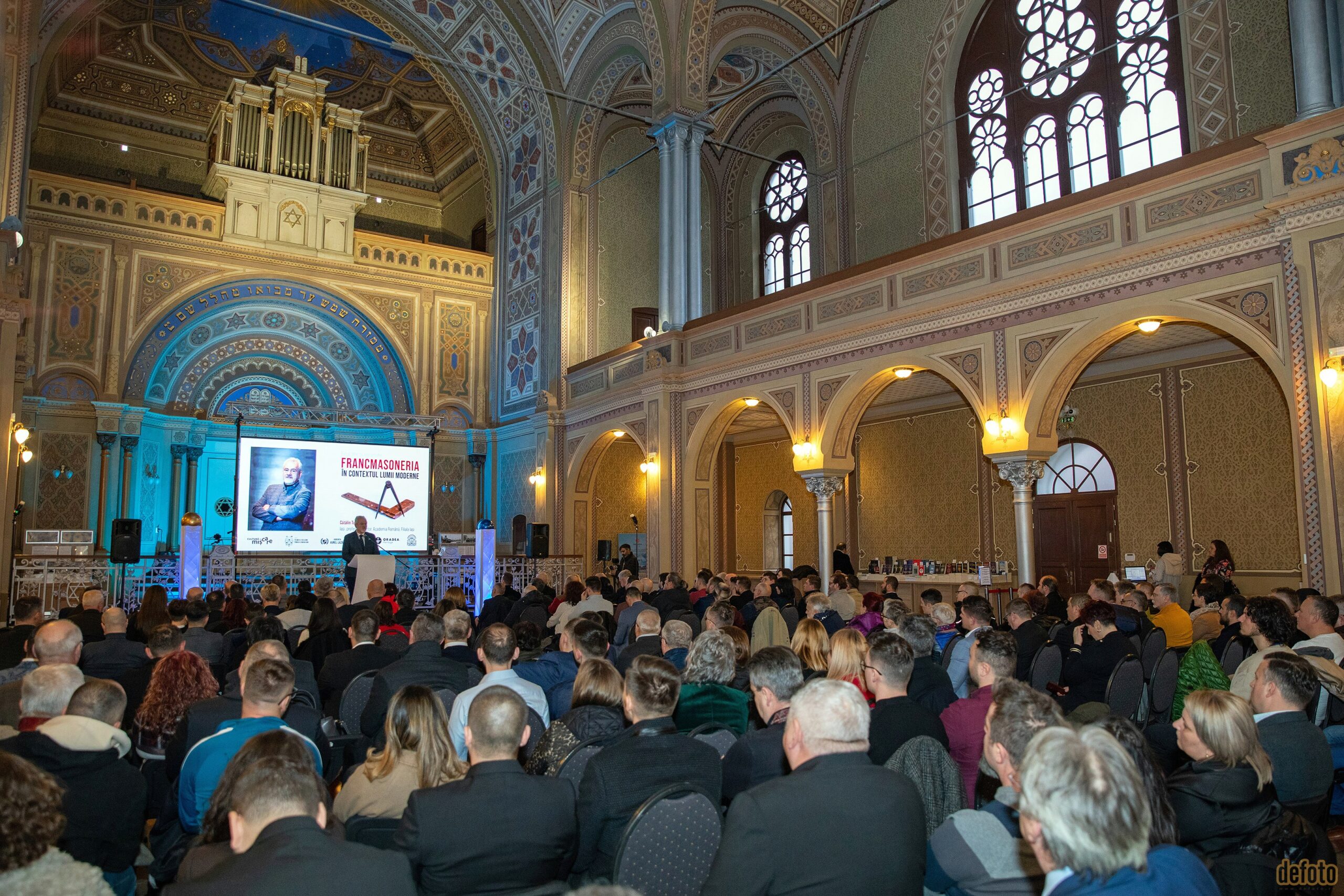
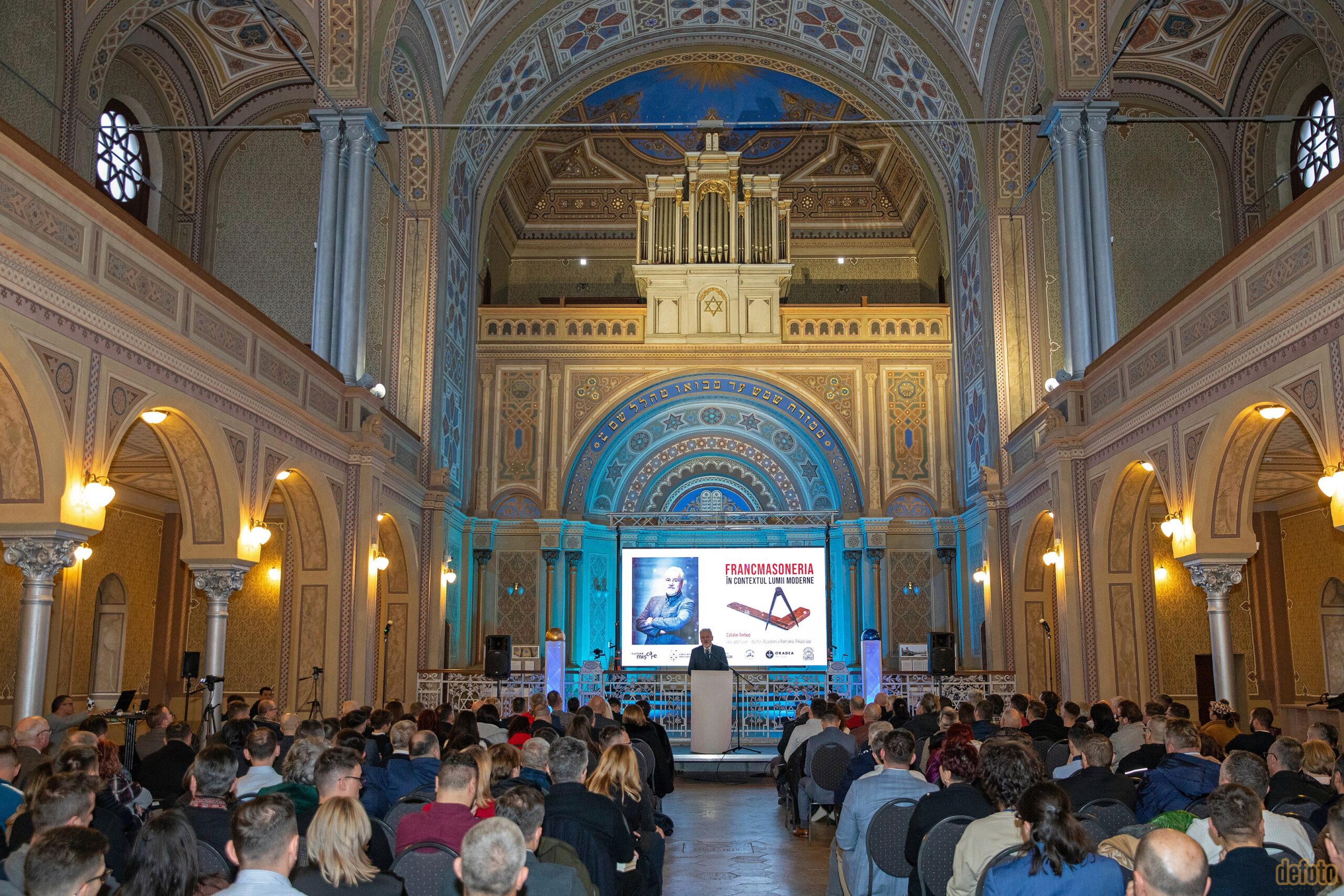
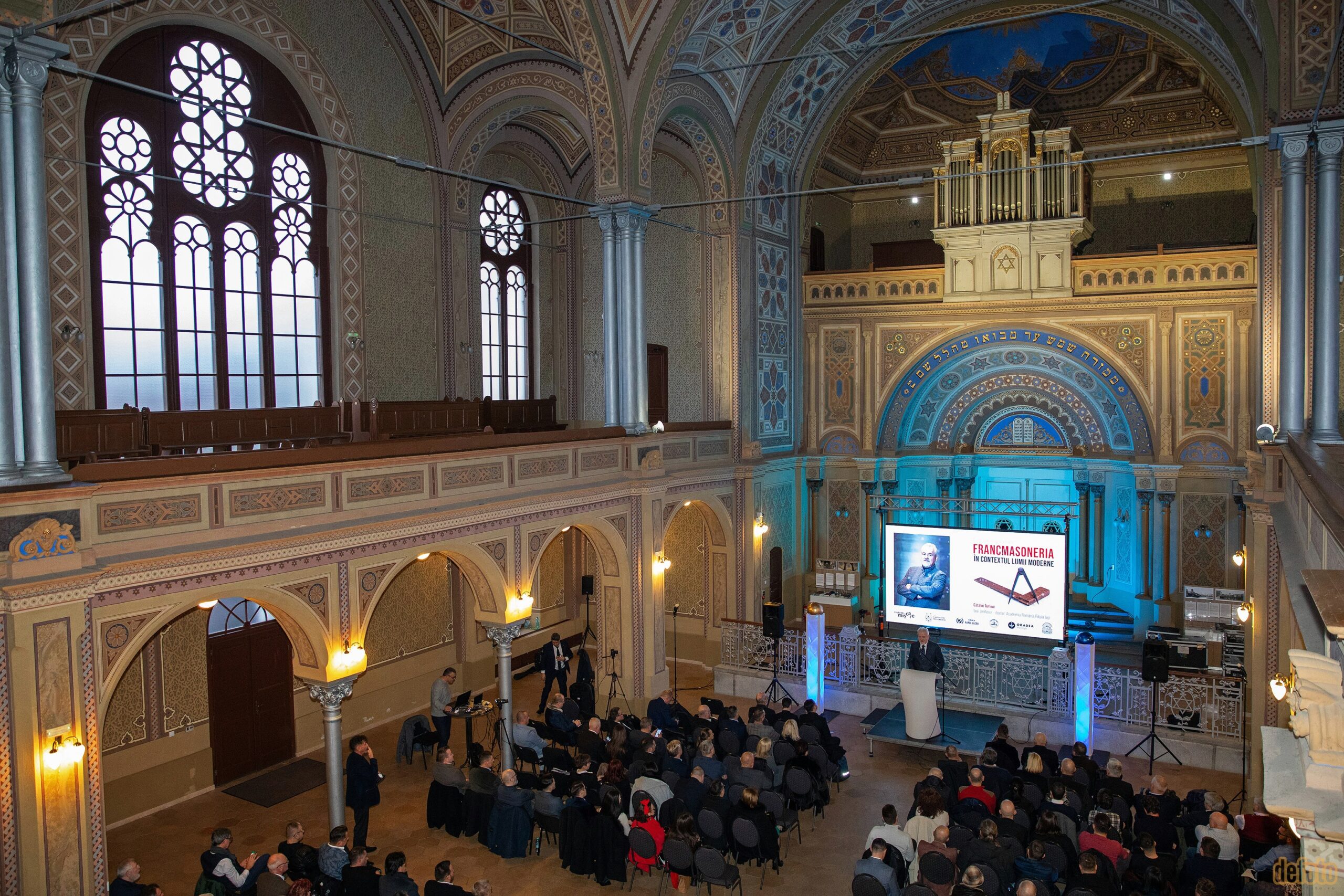
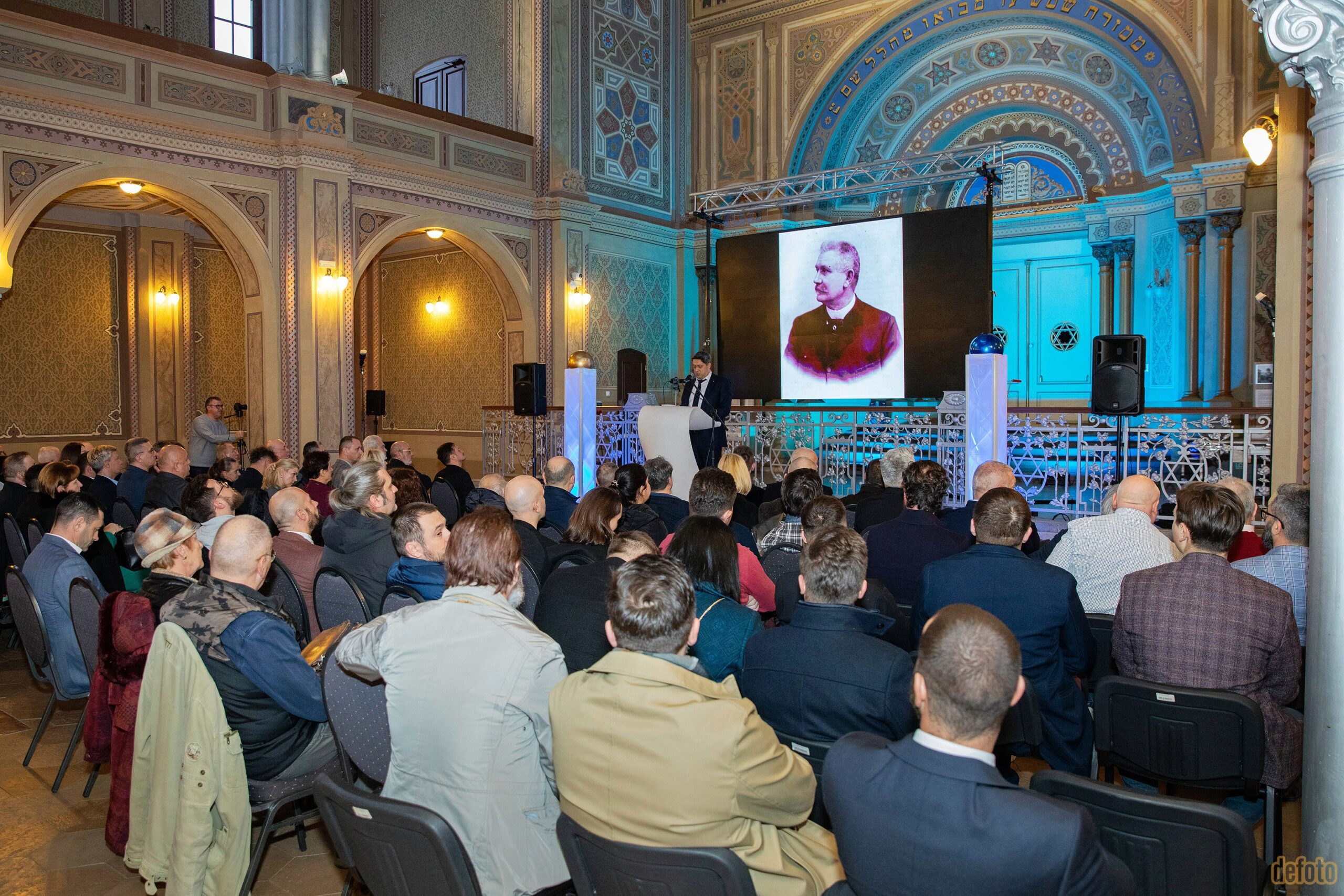
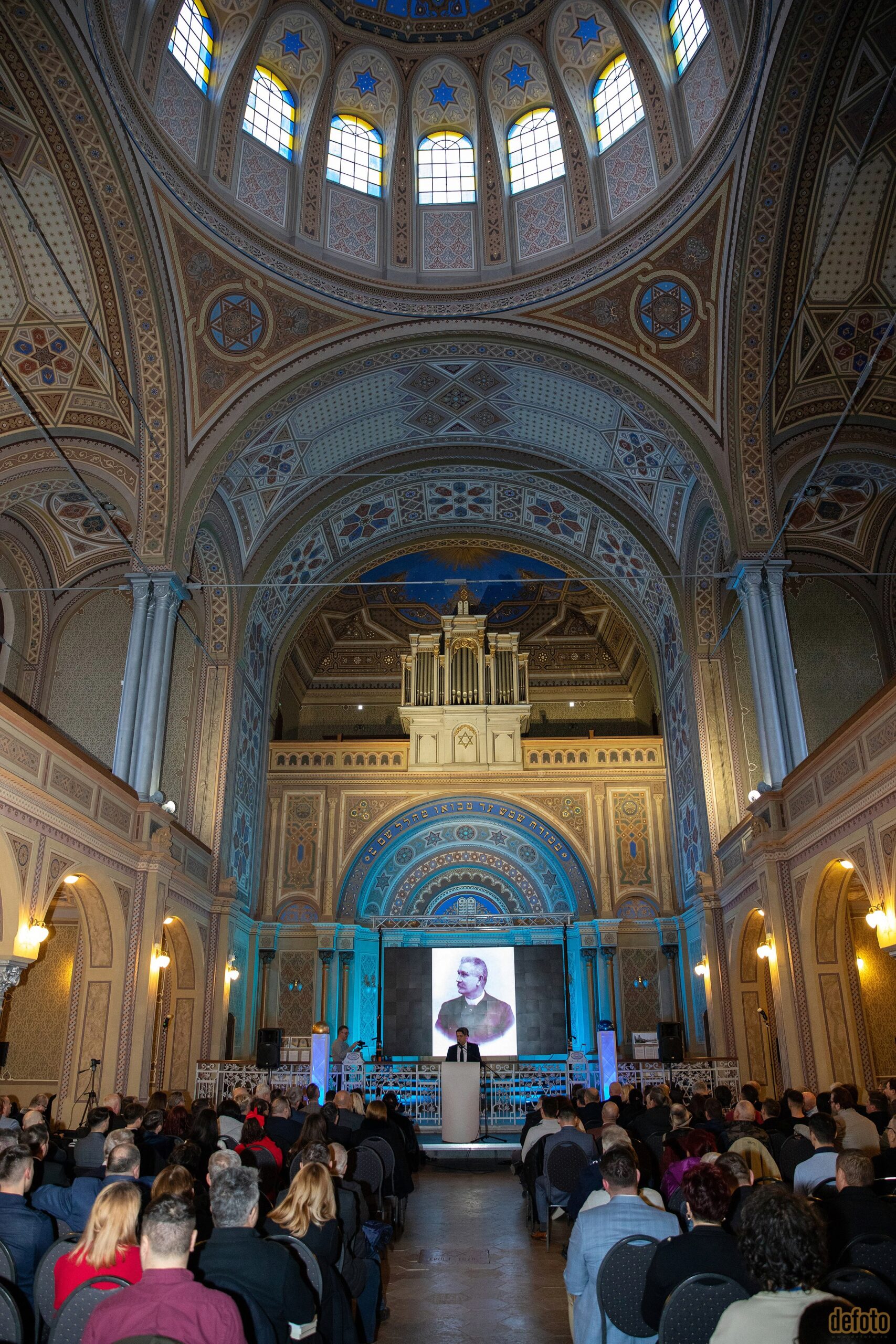
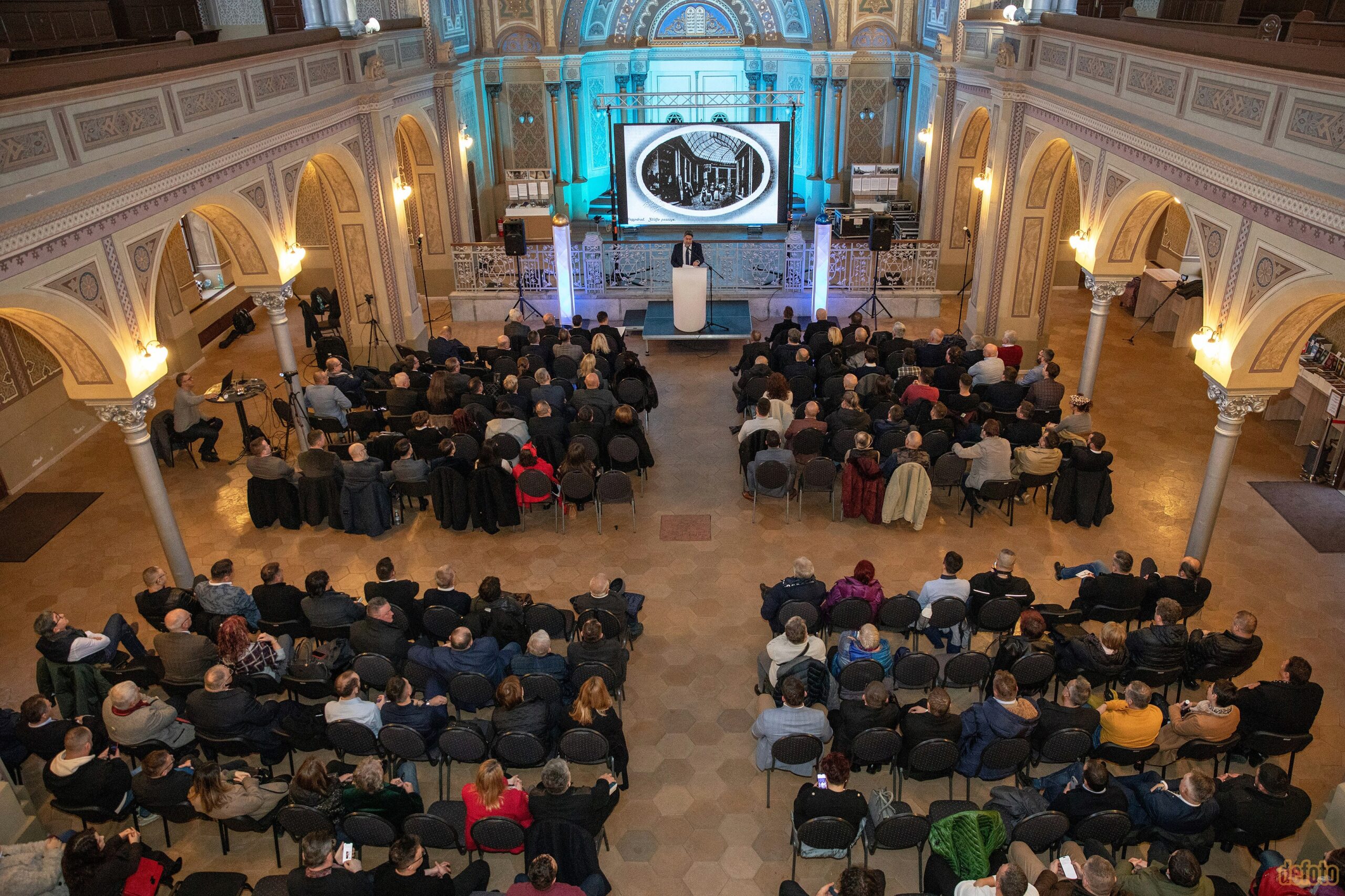
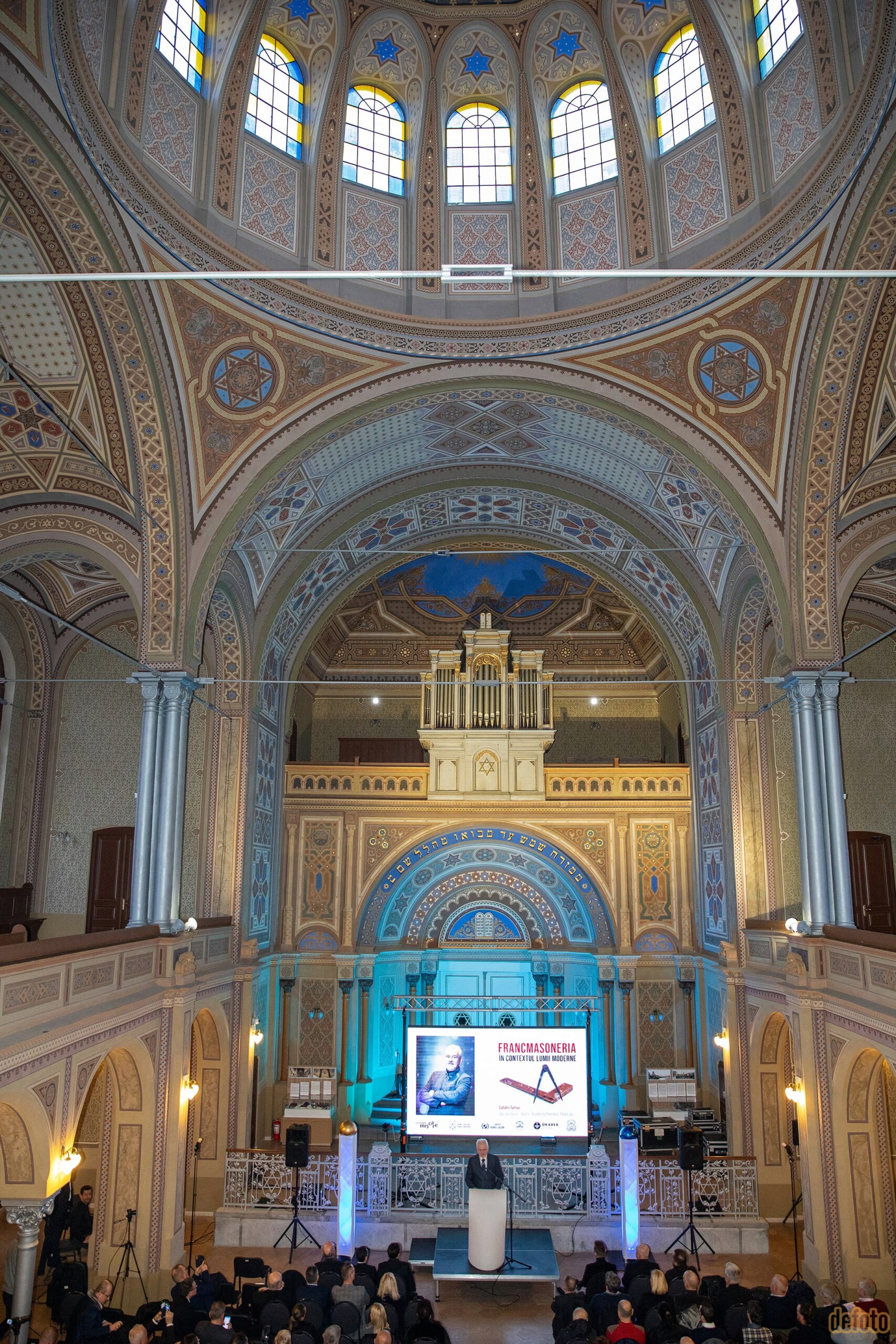
17:00 – 19:30 – Conference “Education and Society. Freemasonry in the Context of the Modern World”.
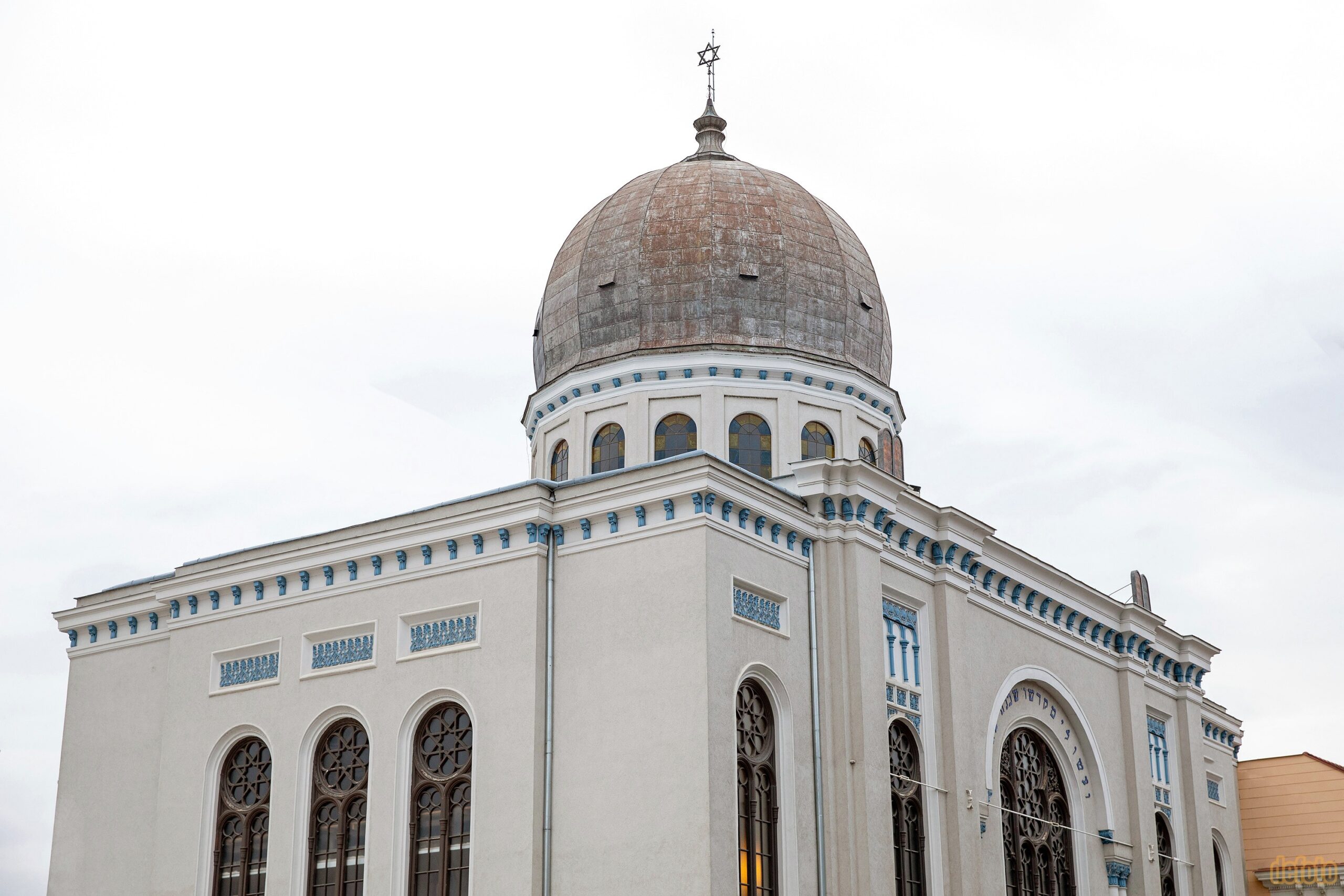
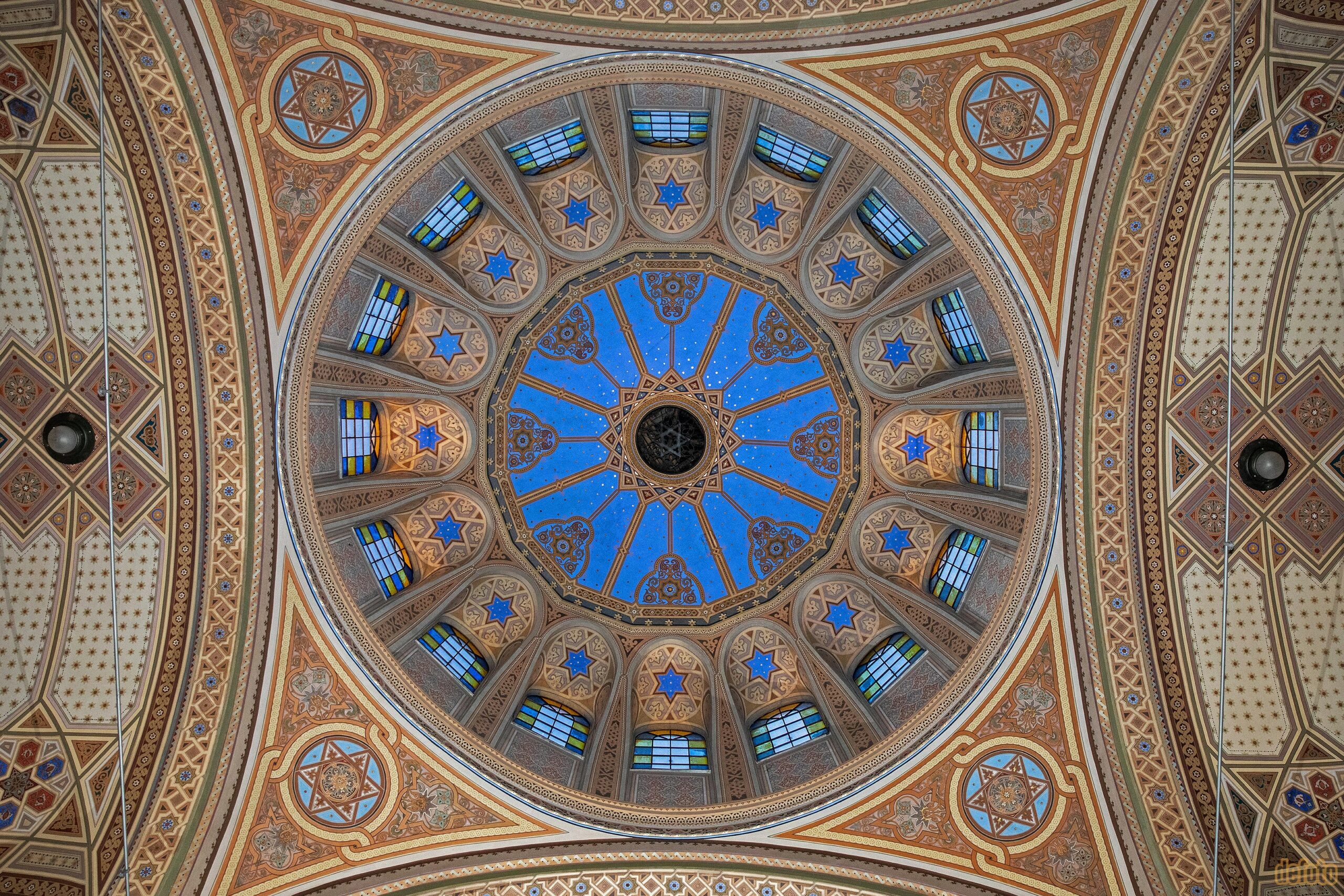
Zion Synagogue Oradea, 22 Independenței Street.
CĂTĂLIN TURLIUC – Freemasonry between Universalism and National Specificity
From its modern genesis, Freemasonry has had—and continues to have—a dual aspect which may appear paradoxical to the uninitiated: it is universalist through the values and principles that underpin it, and at the same time it cultivates national identity and culture, their specific values, and their contribution to the world’s cultural heritage. This reality, paradoxical in the eyes of some, reveals further facets in the case of this particular form of modern fraternal associationism, such as the relationship between tradition and progress, secrecy and arcana, mutual assistance among members and charity toward the communities in which it operates, and so forth. Which values can be placed within the framework of Masonic universalism? They may be summarized as benevolence, assistance, honesty, forgiveness, loyalty, responsibility, and friendship. In the world of initiates, these values translate into empathy lived through the egregore, fraternal mutual aid, moral rectitude, tolerance, assiduity in Lodge work, the assumption of equality within the Lodges, and the recognition of hierarchies generated by Masonic knowledge—fraternalism. In the modern and contemporary world, Masonic universalism has materialized in the affirmation and concrete support of individual rights and freedoms, the pursuit of truth through all forms of knowledge, the constant promotion of the values of liberal democracy, and the combating of extremisms of all kinds within society, among others.
Regarding national specificity and the manner in which regular Freemasonry both assumes and cultivates it, one can readily observe that Freemasonry stands at the forefront of sovereign national affirmation—in the classical sense of sovereignty. It leads in promoting national values through the support and affirmation of both high and popular culture, through constant support for excellence across all fields of knowledge, through the preservation and promotion of the “hard core” of national identity free from xenophobia, religious and confessional intolerance, and discrimination of any kind, and through the cultivation of meliorism and faith in the perfectibility of individuals of any social or confessional background. To these may, of course, be added other significant aspects relevant to the theme addressed here.
We conclude by affirming the full compatibility between Masonic universalism and the cultivation of national identity and specificity in a world of intensified interdependencies, technological and cognitive “breakthroughs,” and threats represented by transhumanism in all its variants.
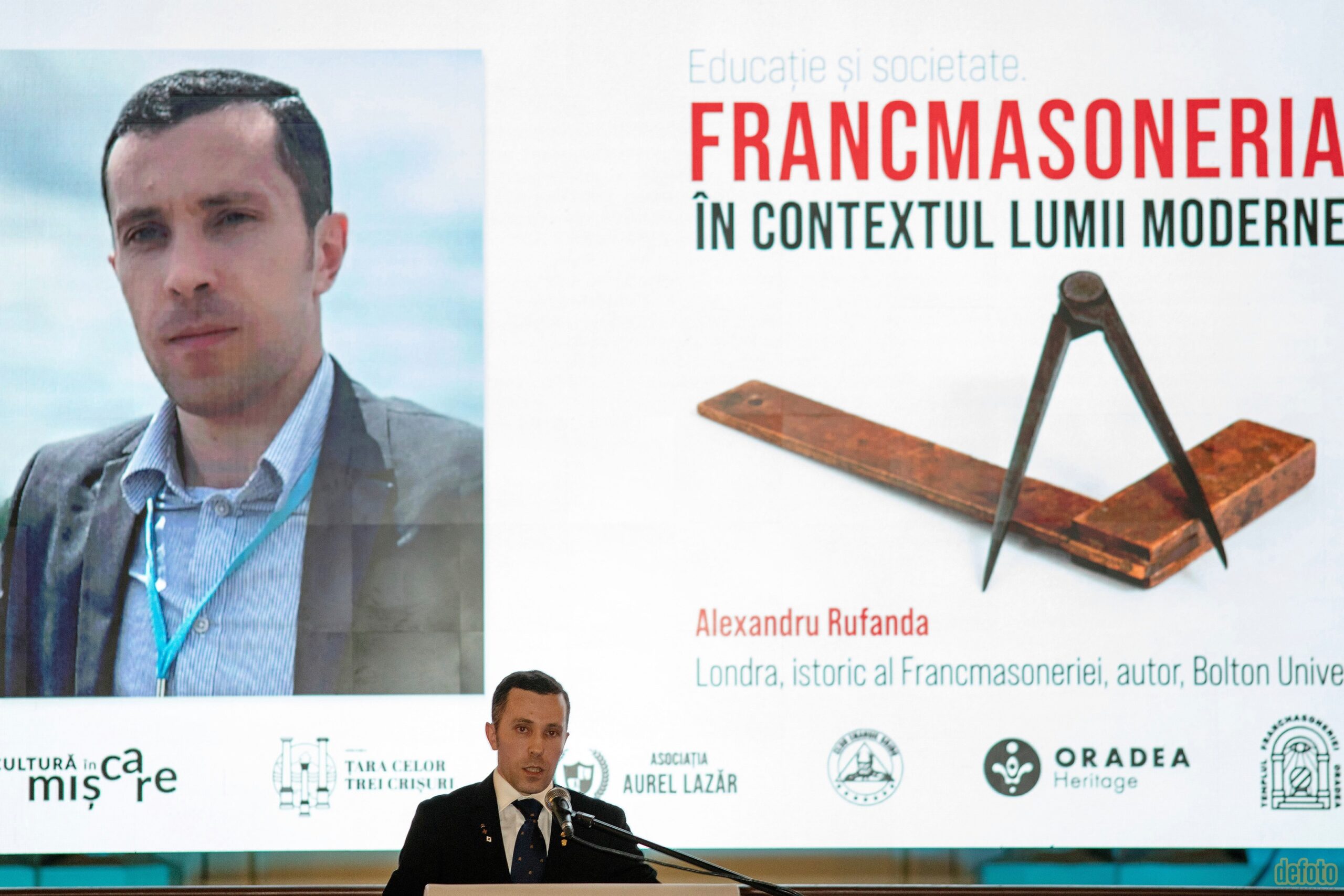
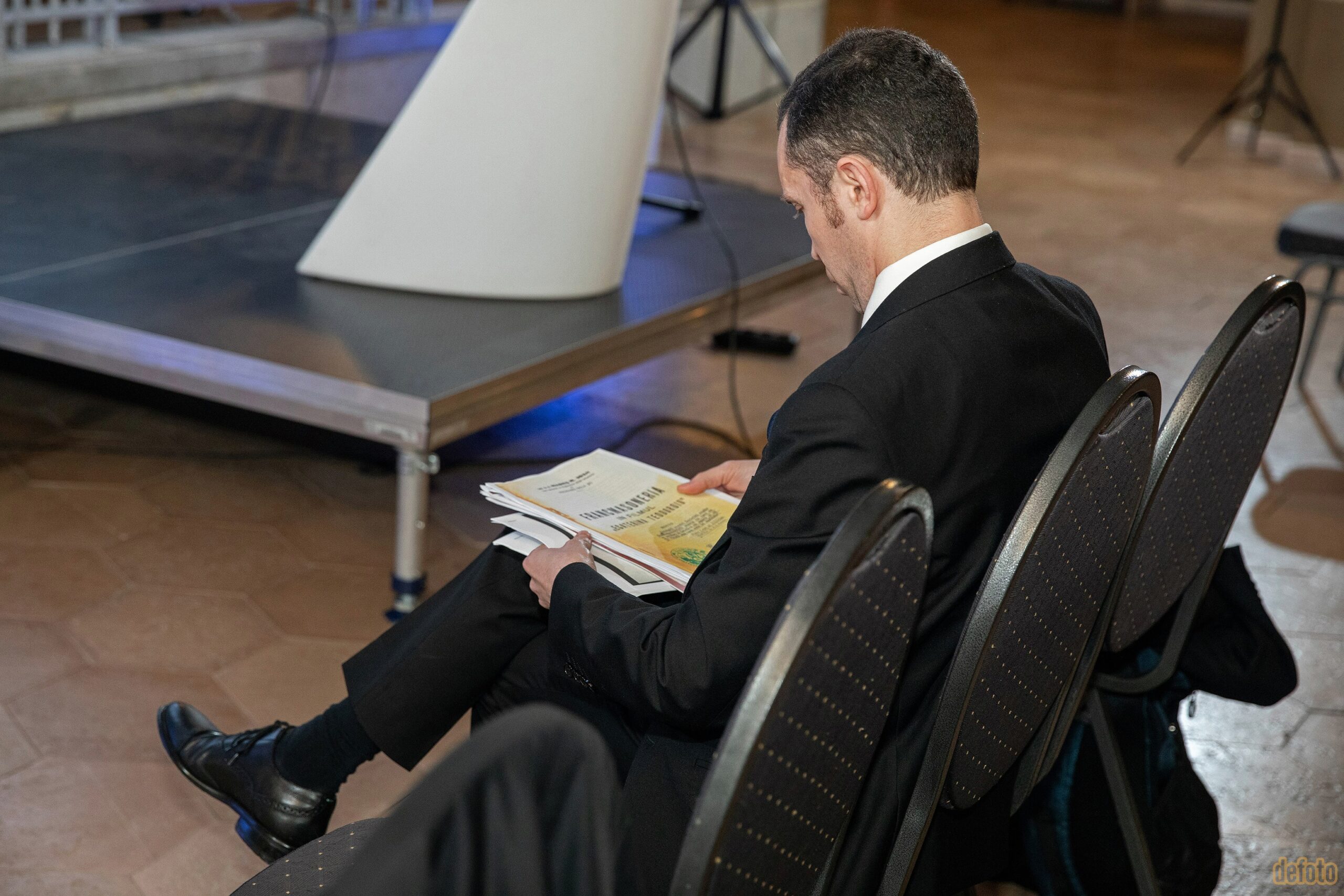
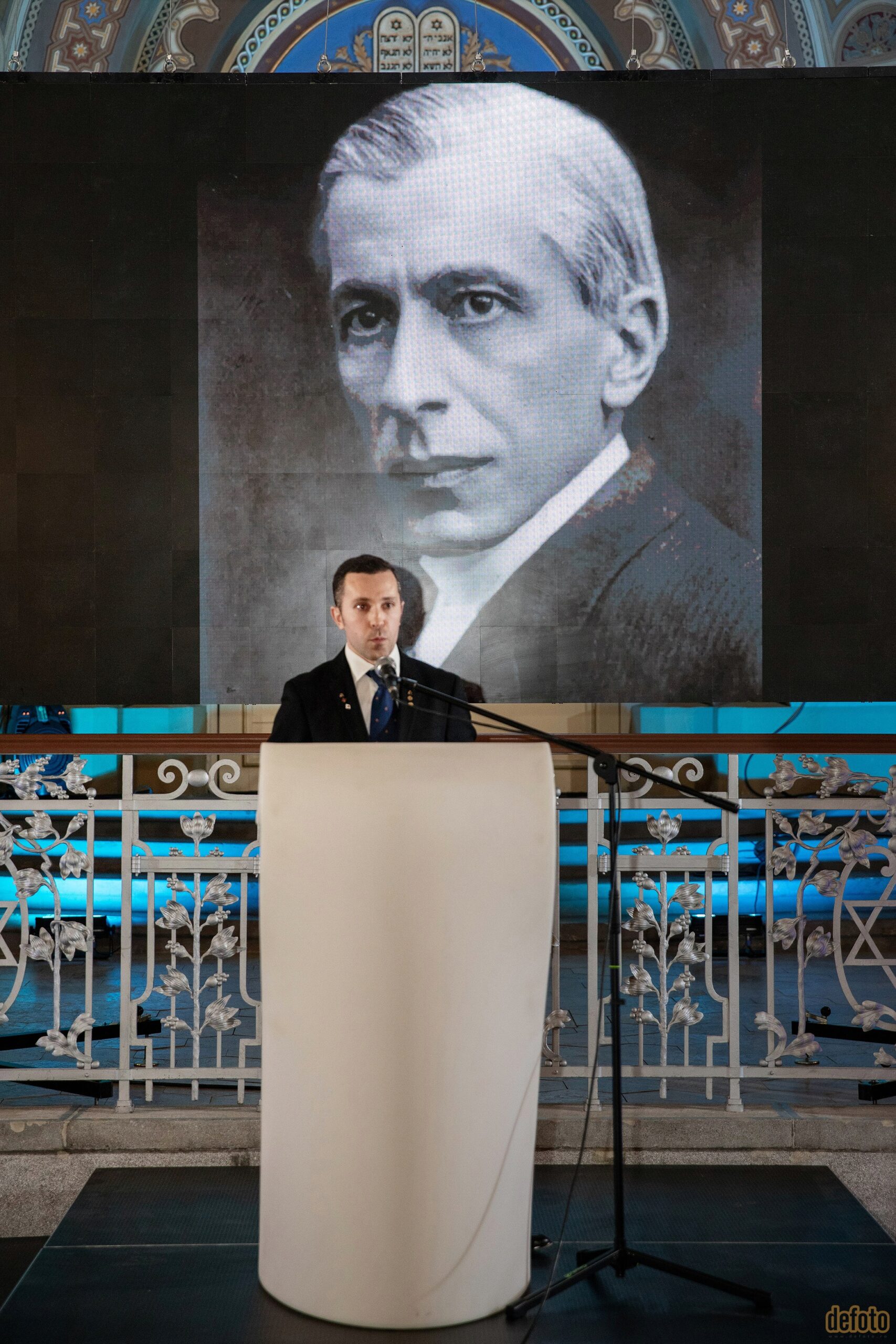
ALEX RUFANDA – Nicolae Paulescu: The Man Behind the Academic Mask
Praised for his academic achievements, invoked by conspiracy theorists in the alleged theft of the discovery of insulin, condemned by those who suffered under Legionary persecution, suspected of having been a Freemason, and idolized by radical nationalists—who was Nicolae Paulescu in reality, the man behind the academic title? His anti-Masonic impulses and the vehemence with which he combated Freemasonry were driven by vast conspiratorial theories and a deep hatred toward Jews, whom he considered responsible for all the problems that had befallen Romania. Celebrated for his academic discourse, his racially charged rhetoric, his calumnies against Freemasonry, and even the mythomania into which he had fallen when publishing the pamphlets in the series “The Degeneration of the Jewish Race” are often overlooked. His statements on “Aryanism,” the impulsiveness of his antisemitic discourse, incitement to hatred on racial grounds, and pseudo-arguments bordering on delirium are forgotten or largely unknown. Some of Paulescu’s writings still bear the stamp “forbidden,” defying principles of academic ethics and, at times, even the Hippocratic Oath he took upon graduating in medicine in Paris. It is time to discover the man behind the Paulescu mask.
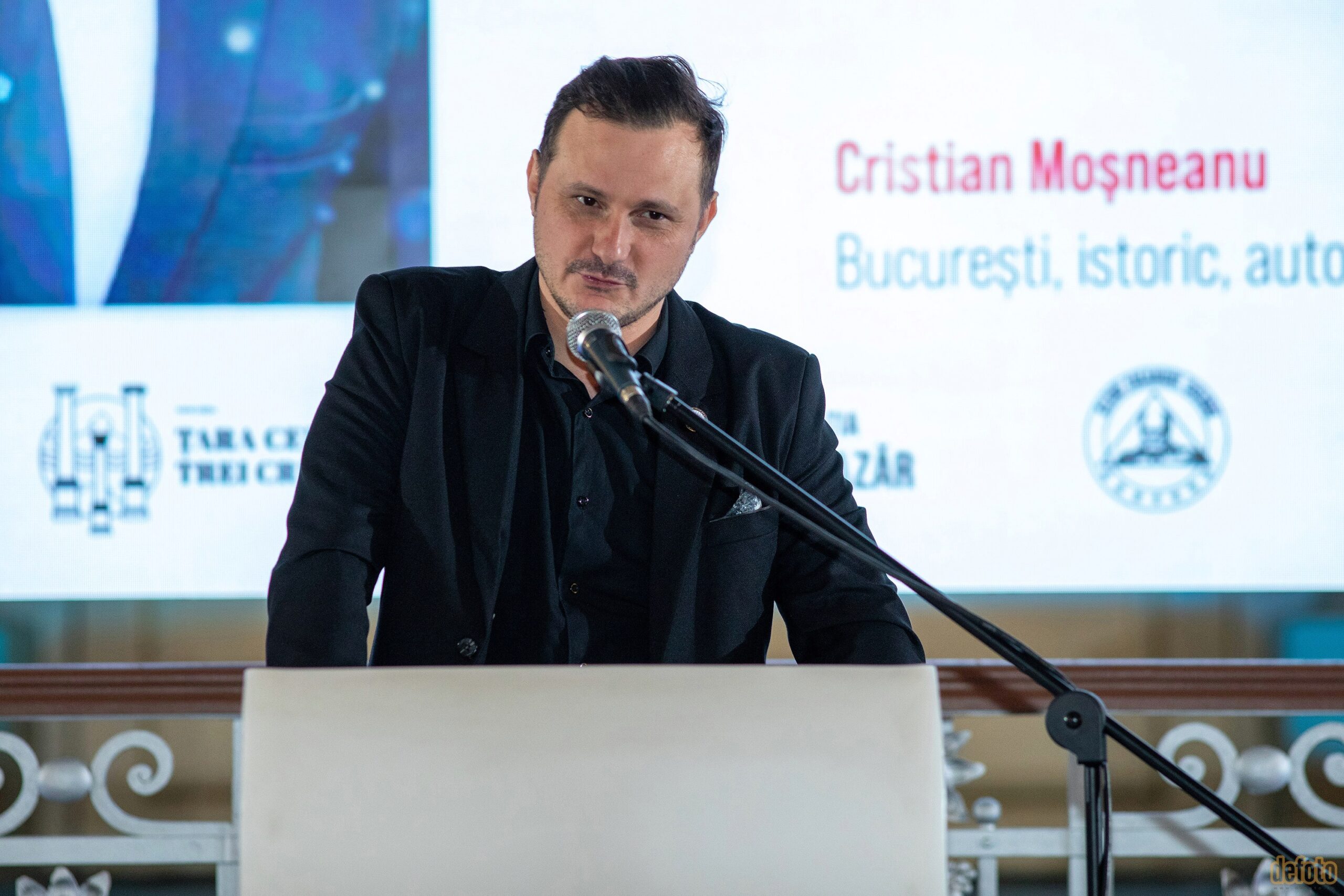
CRISTIAN MOSNEANU – Freemasonry in the Romanian Communist Press
The theme chosen for this presentation arose as a consequence of seeking an answer to the question of whether, following the establishment of the communist regime and shortly after the banning of Freemasonry, articles referring to this association continued to appear in the Romanian press. This endeavor represents a natural continuation of other studies addressing the treatment of Freemasonry in the press during the interwar period as well as during the First World War. Far from claiming to be exhaustive, the study is based on research into press collections from the period 1945–1989, which were deemed relevant in terms of their impact on the public. After identifying articles related to the subject, our objective was to analyze the types of publications in which such writings appeared. These were largely cultural publications, which is unsurprising given that this type of publication served as a key instrument in the propaganda promoted by the Romanian Communist Party to impose its ideology. We aimed to delineate three distinct periods closely linked to the evolution and direction of the articles’ content. We will also provide a chronological summary of the information uncovered in articles addressing Freemasonry and analyze how this type of writing evolved, integrated, and aligned with the domestic and international political context of the time—a context which, as we know, was far from linear.
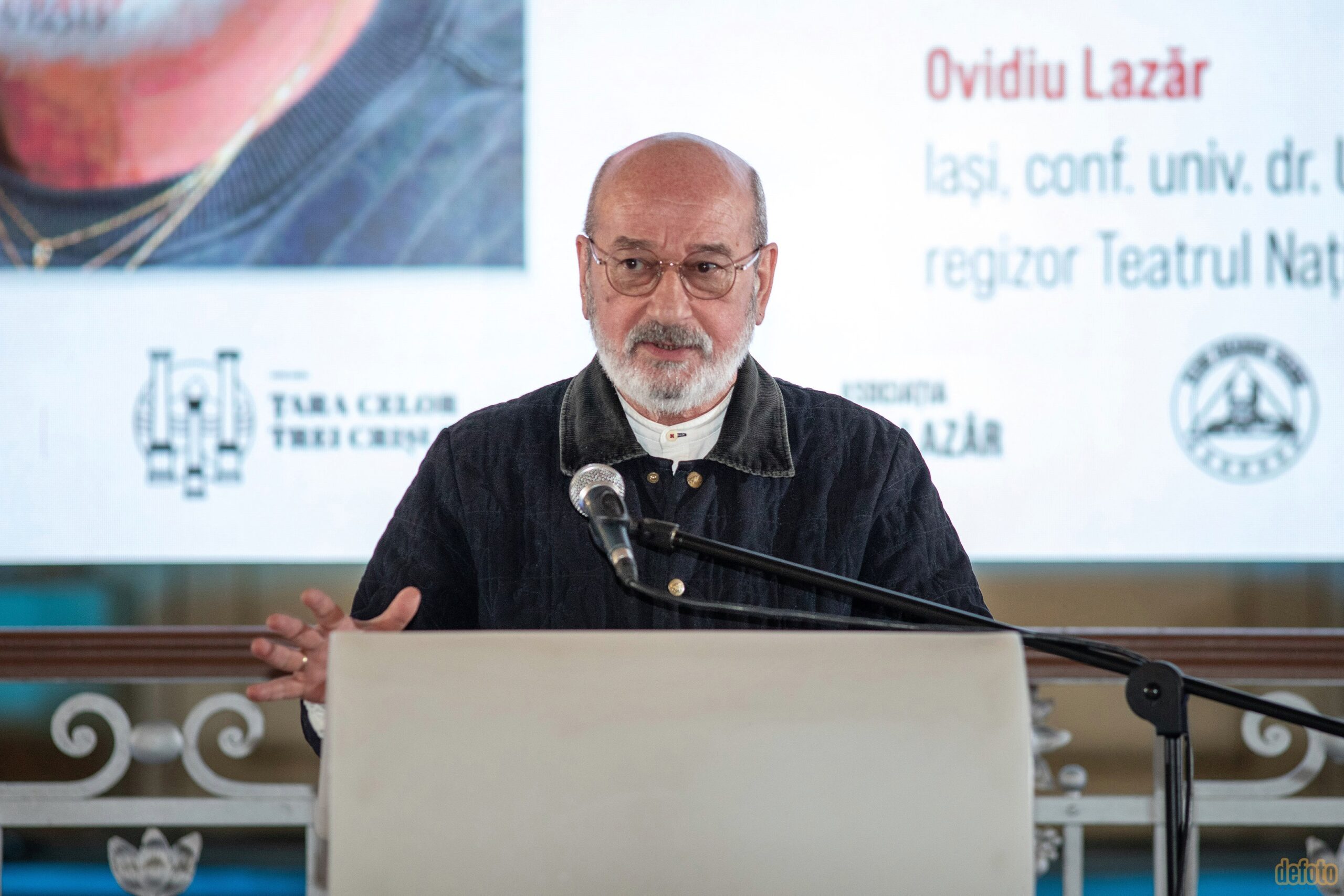
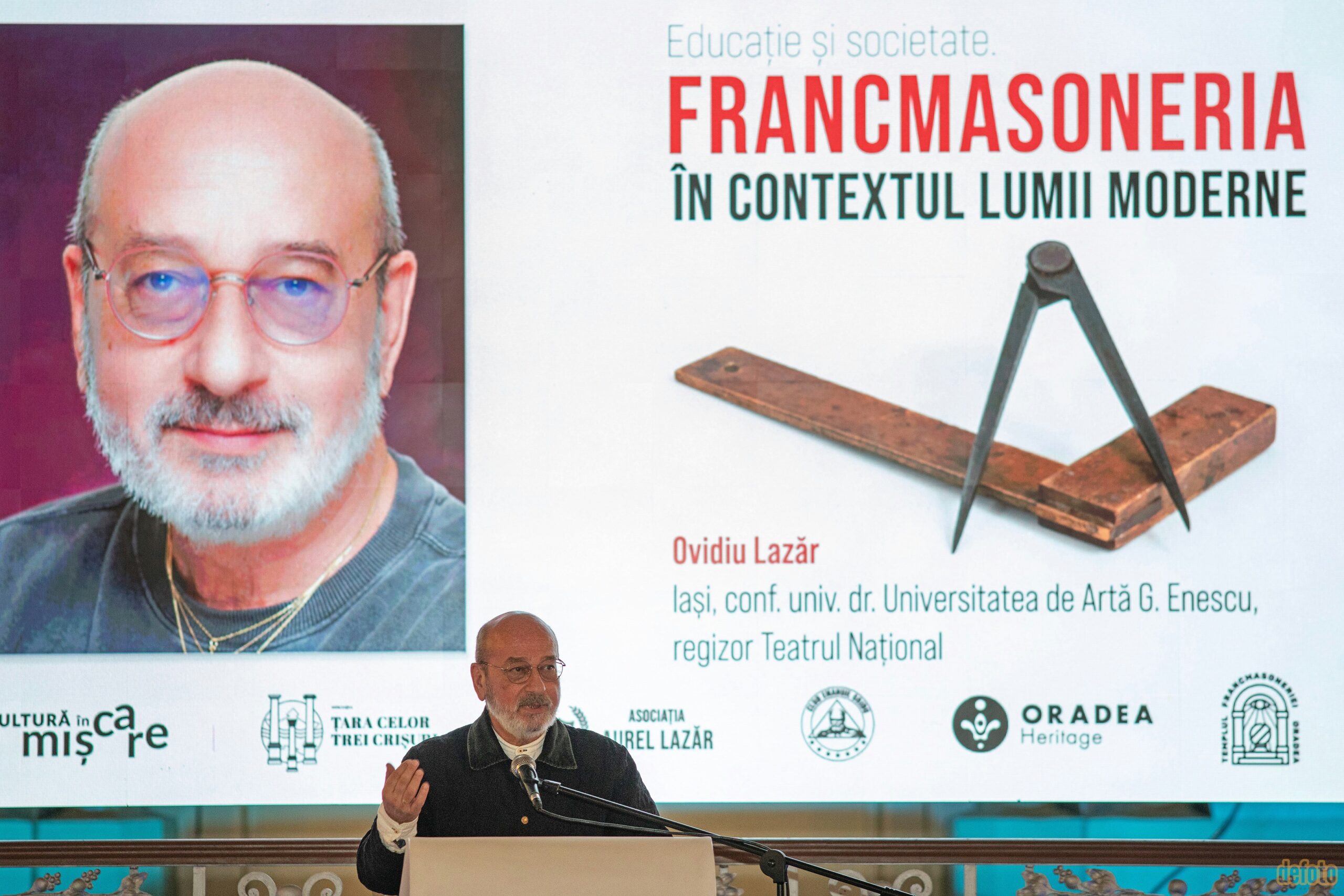
OVIDIU LAZĂR – On the Word as the Foundation of Education
We live in a world in which distrust in the Word has become chronic. Young people, saturated by devices, communicate, learn, and live through abbreviations and technical Anglicisms, almost entirely ignoring the layers of meaning and states embedded in words. Adults, pressured by increasingly aggressive and all-encompassing specialist languages, have developed an almost organic distrust in the Word and in its power of knowledge, self-knowledge, and ideational and emotional communication. Without words that are thought through, felt, and even handwritten, there can be no truly authentic, living, profound, lasting, and effective education. Can anything still be done?
For Freemasonry, the Word possesses ritual virtues as well as profound esoteric meanings. In the Gospel according to John—one of the foundational texts of Freemasonry—it is stated unequivocally: “In the beginning was the Word, and the Word was with God, and all things were made through Him.” Thus, the Word is Life; it has ontological content, and it is also an essential path to knowledge. Through trust in the Word, people become better, learn to know themselves, and are able to communicate authentically. In one way or another, the Word shapes human destinies and also provides stability within the Fraternity.
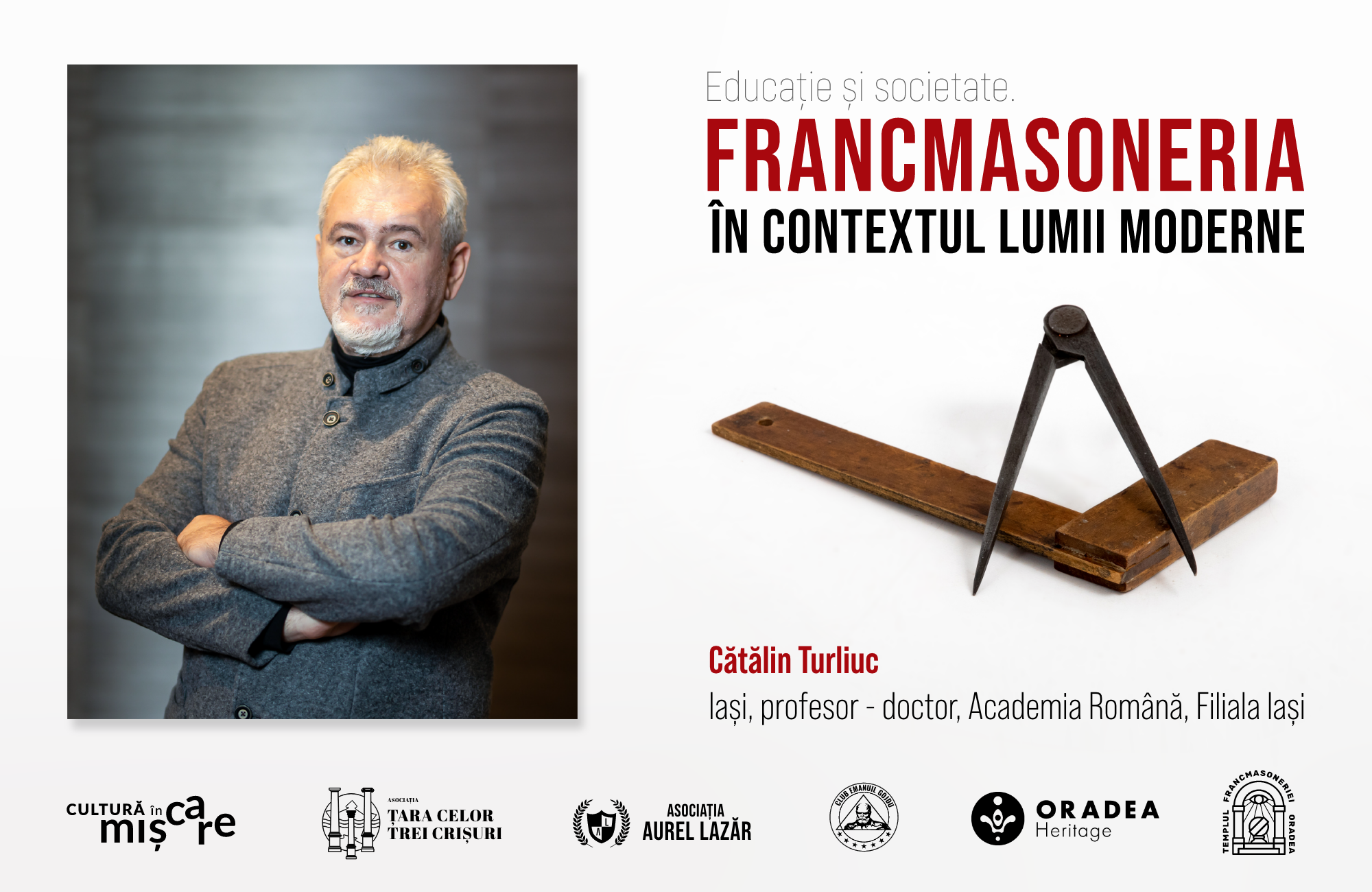
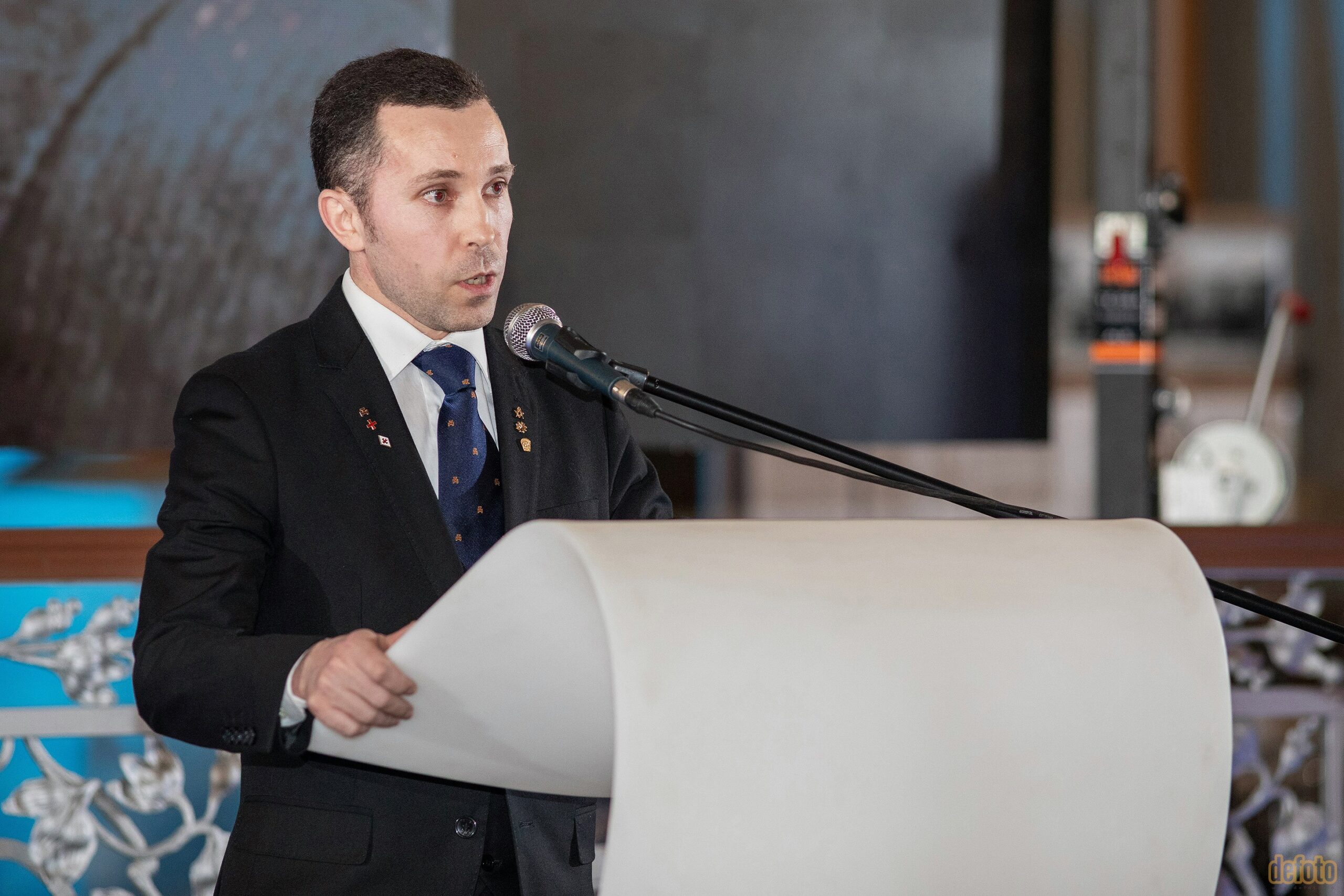
Cătălin Turliuc
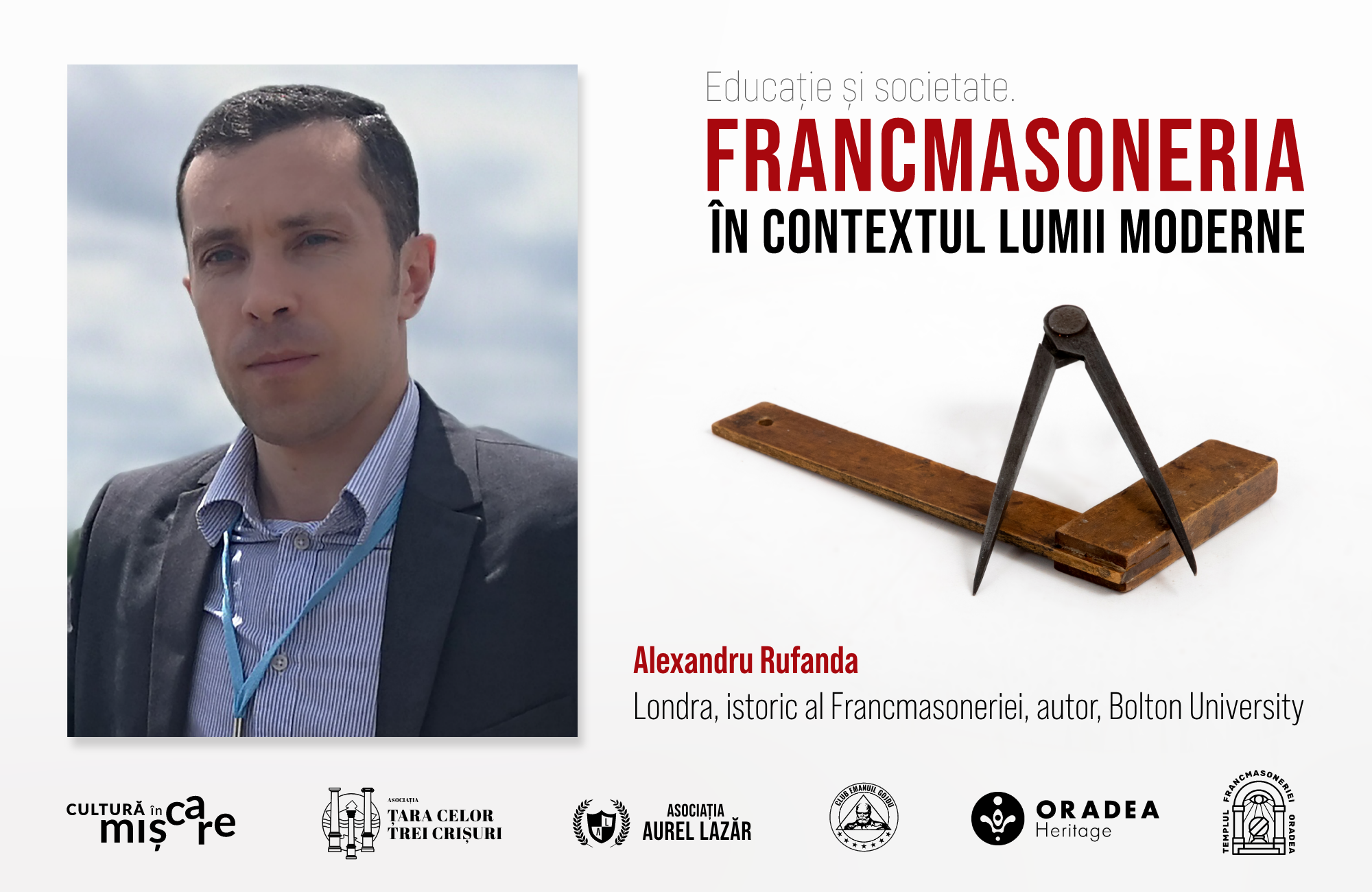
Alexandru Rufanda
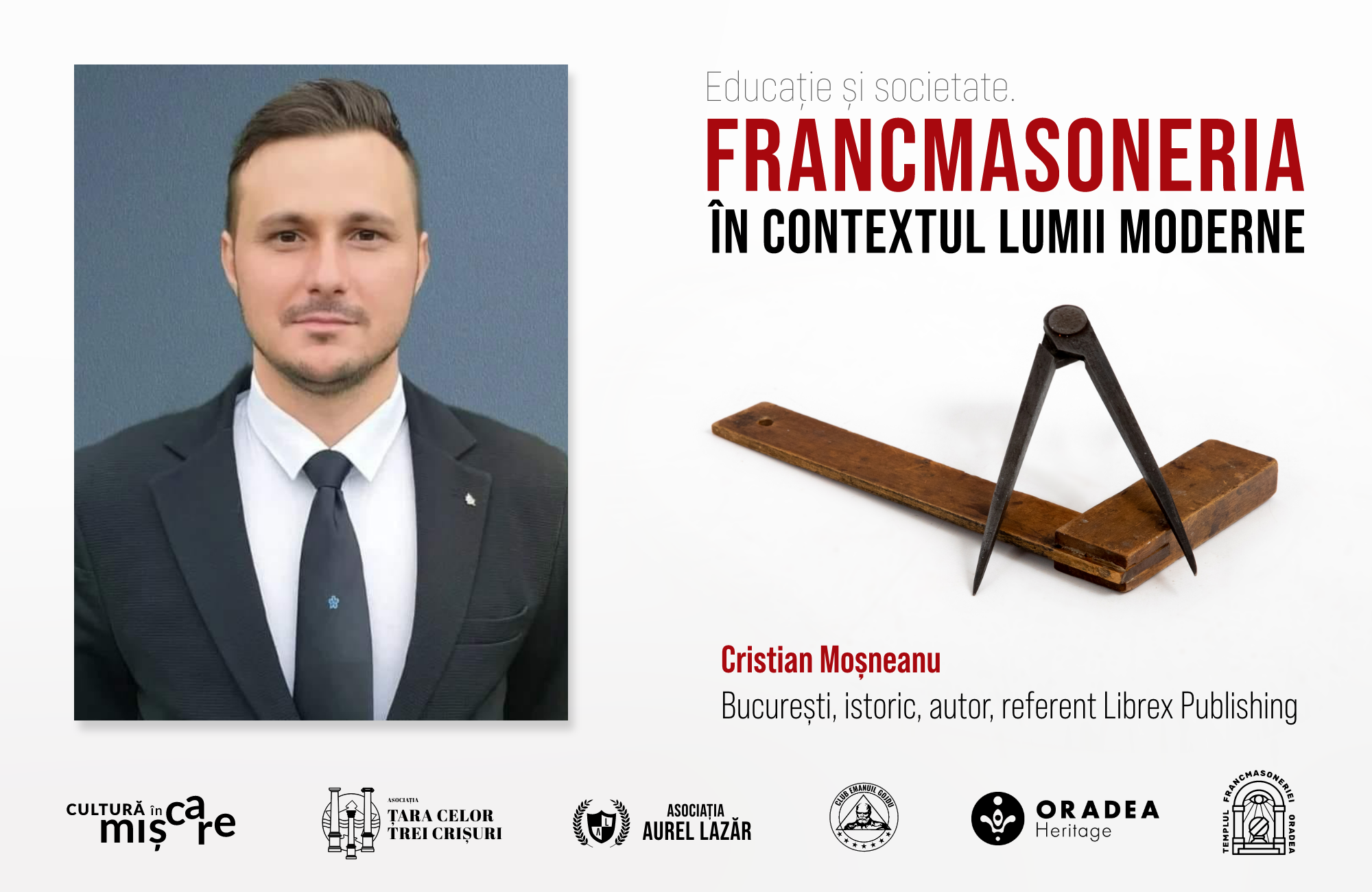
Cristian Moșneanu
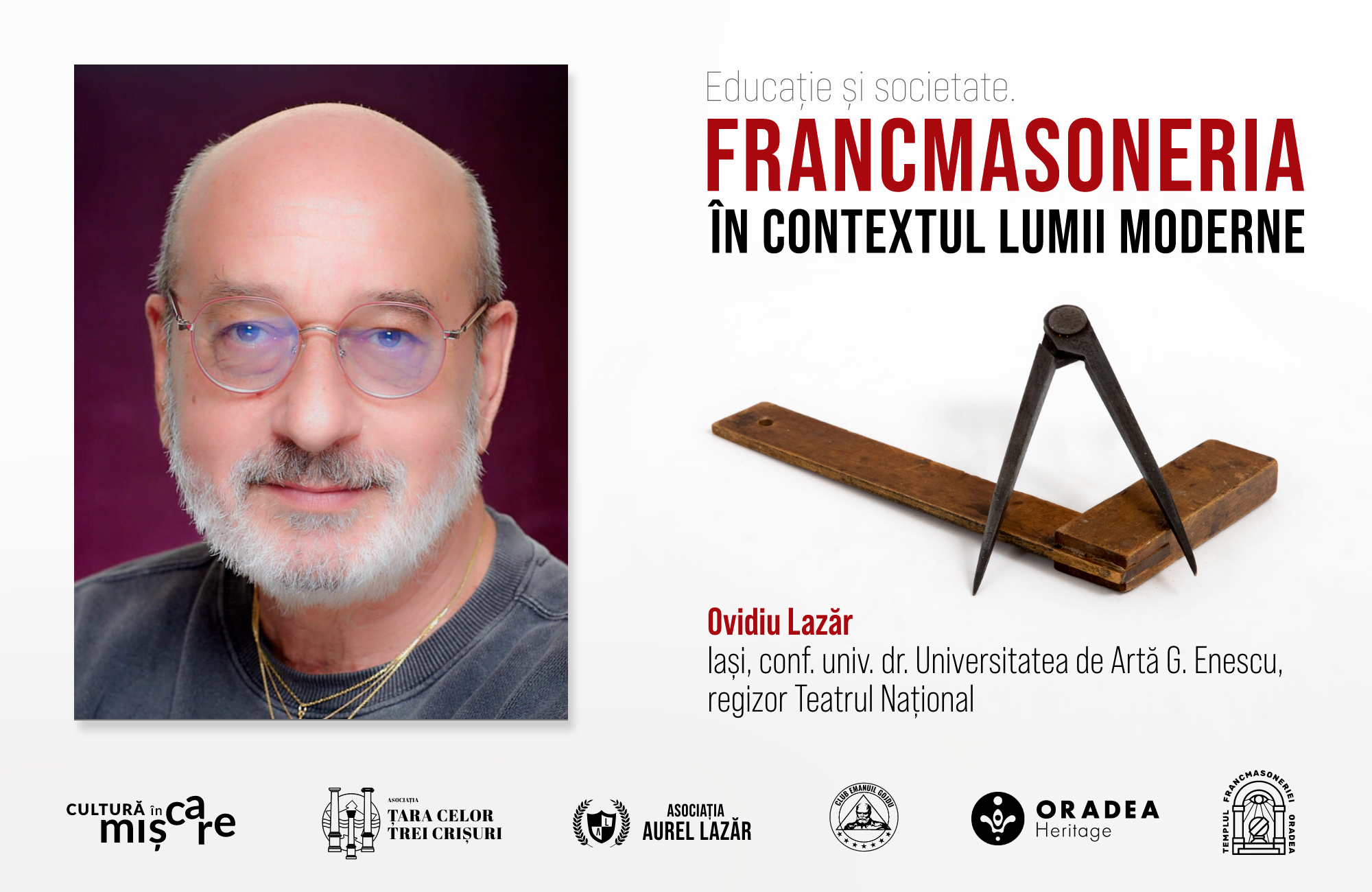
Ovidiu Lazăr
Book Launch
C. Turliuc, C. Moșneanu, A. Rufanda:
Conspiracy and Democracy. Extremism and Anti-Freemasonry in Pre-Communist Romania
Even a cursory glance at the history of humankind from the moment the first forms of social organization emerged reveals that plots, conspiracies, and various forms of intrigue against power and the established order have populated the social imagination and have proven to be indisputable historical realities.
The motives underlying such actions opposing a generally accepted status quo have been extremely diverse: the desire for power, access to resources of various kinds (economic, financial, symbolic capital, etc.), religious or confessional motivations, ideological reasons, and so on. The real or perceived danger of such threats—whether real or imagined—to the established order has been used by those in power to preserve and consolidate their authority, to stimulate internal (ingroup) cohesion, to facilitate the manipulation of those under their rule, and ultimately to instrumentalize the general instinct common to all species: fight or flight. All movements and associative formulas whose aim has been—and continues to be—the change, usually sudden and often violent, of the existing order and power hierarchies within the societies in which they emerged share a common denominator: secrecy.
From a historical perspective, secret societies have their roots in ancient Eastern traditions, while the “cult of the mysteries” is attested in the Greco-Roman world—the oldest example being Eleusis, dating back approximately a millennium and a half before the Christian era. The first fraternity of which we have knowledge is that of the Pythagoreans (6th century BC) in Croton, violently dismantled following a popular uprising provoked by its aristocratic and occult character.
Secrecy (from the Latin *secretus*) is defined as that which is kept hidden and remains unknown, mysterious and concealed from others, unconfessed and belonging to the intimate, private sphere. The meaning and functions of secrecy have been a favored subject for many authors across various fields of research and literature. What is relevant to our approach is the assertion—one not assumed in practice by Freemasonry—that it would be a secret society (a conspiratorial organization constituted in secrecy).
Freemasonry defines itself as having been and continuing to be an initiatory order, a discreet confraternity rather than a clandestine one whose members (adherents) do not share one or more secrets. Rather, its “secret,” insofar as it exists, is the individual experience of assuming a sapiential spirituality that is not religious in nature (Freemasonry is not about collective salvation), but rather concerns a desired moral perfectibility of each of its members. Hence the cordial—or otherwise—polemics surrounding statements such as: “One is born a Freemason, one does not become one,” “Freemasonry is an exclusive elite reserved for restricted social categories,” “Freemasonry should or should not be rethought in light of today’s challenges,” and so forth.
Freemasonry and its initiates have no secrets (its rituals, teachings, values, and principles have long been public through print and dissemination, including via social media), nor do they generally use this term; instead, they speak of arcana. The term *arcanum* was defined at the beginning of the modern era as “a secret, incorporeal, and immortal thing, which cannot be recognized by man except through experience.” A taxonomy of arcana, according to their nature, may be presented as follows: *arcana naturae* (the secrets of nature), *arcana Dei* (the secrets of God), *arcana imperii* (the secrets of the state), *arcana mundi* (the secrets of the world), *arcana cordis* (the secrets of the heart), *arcana artis* (the secrets of crafts), and so on. Evidently, there are also arcana of Freemasonry, just as—following the tradition of Paracelsus—there are arcana of medicine (*virtutes*), referring to the healing power of substances (some resulting from alchemy) used in treatments.
As can be observed, there are notable differences between secret (*secretum*) and arcana. While a secret is, in principle, something that can be known (the epistemological dimension), arcana presuppose experience and lived realization (both epistemological and ontological dimensions). The discussion can be taken further by introducing the terms occult or mystery (mysteries). The historically constituted semantic load of these terms must be well understood, as it can often generate confusion in the minds of those less familiar with the field. Thus, while in the premodern period there existed “professors of secrets” (*professori de’ secreti*), an occupation accepted and validated at the time, books dedicated to secrecy continued to appear until the beginnings of the modern era; these were, in fact, manuals providing instructions that ensured necessary knowledge, particularly in technical or medical domains.
We may summarize the above in the relationship between secret and arcanum within the context of Freemasonry studies by applying the well-established distinction between emic and etic. Thus, the “secret” as a practice or attribute of Masonic organization should be understood as a formula underlying a sociability based on trust, as a true interface between opacity and transparency. Freemasonry will always be understood differently by its adherents than by those outside this structure, who hold different perceptions of the “secret” and its purpose.
Conferinta-FM-090
Conferinta-FM-091
Conferinta-FM-088
Conferinta-FM-085
Conferinta-FM-084
Conferinta-FM-082
Conferinta-FM-081
Conferinta-FM-074
Conferinta-FM-073
Conferinta-FM-070
Conferinta-FM-069
Conferinta-FM-065
Conferinta-FM-043
Conferinta-FM-049
Conferinta-FM-050
Conferinta-FM-054
Conferinta-FM-055
Conferinta-FM-056
Conferinta-FM-060
Conferinta-FM-061
Conferinta-FM-062
Conferinta-FM-064
Conferinta-FM-040
Conferinta-FM-039
Conferinta-FM-037
Conferinta-FM-032
Conferinta-FM-028
Conferinta-FM-027
Conferinta-FM-025
Conferinta-FM-020
Conferinta-FM-019
Conferinta-FM-018
Conferinta-FM-003
Conferinta-FM-004
Conferinta-FM-005
Conferinta-FM-006
Conferinta-FM-010
Conferinta-FM-011
Conferinta-FM-012
Conferinta-FM-015
Conferinta-FM-016
Conferinta-FM-017
Conferinta-FM-002
Conferinta-FM-001