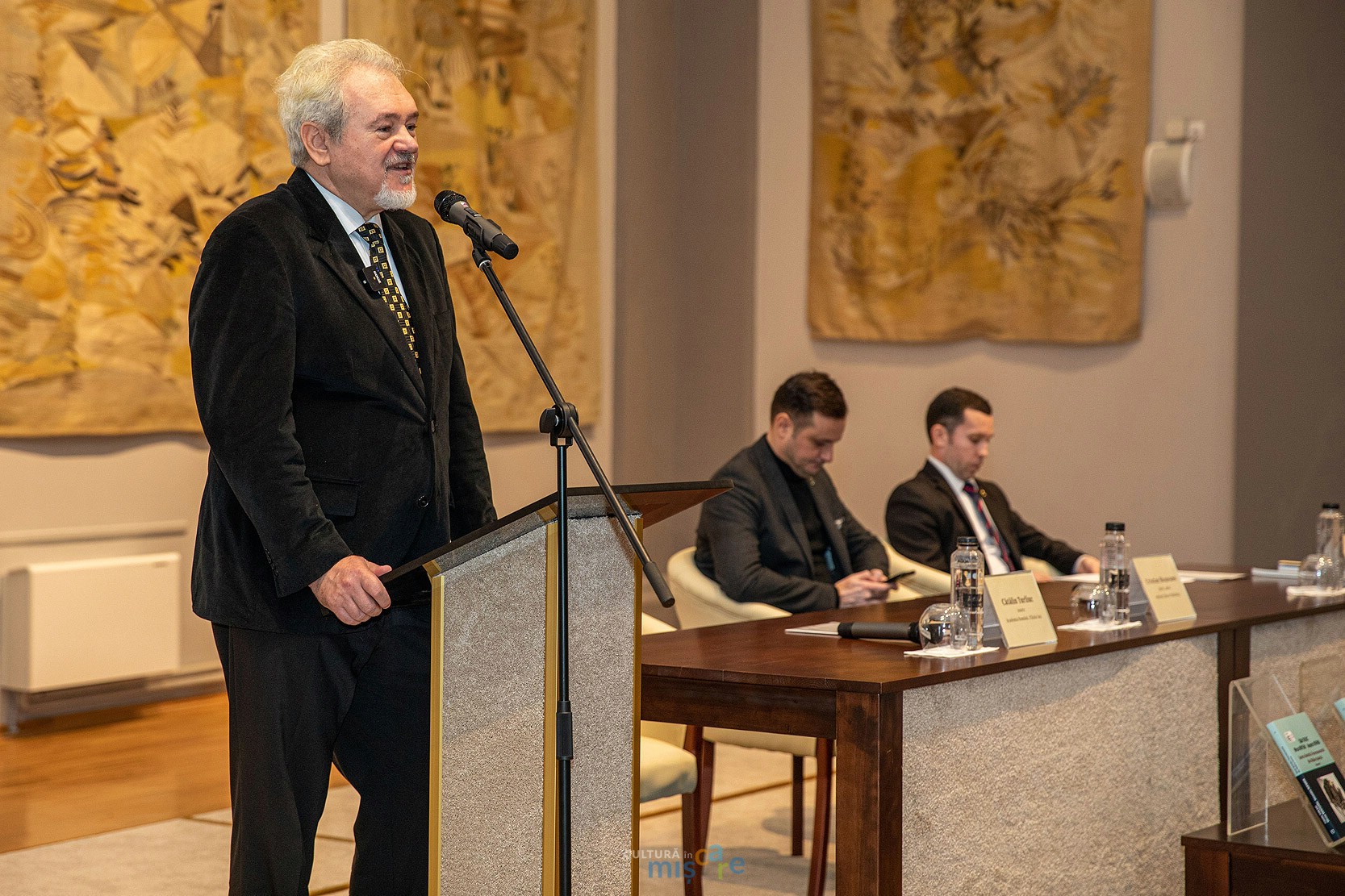
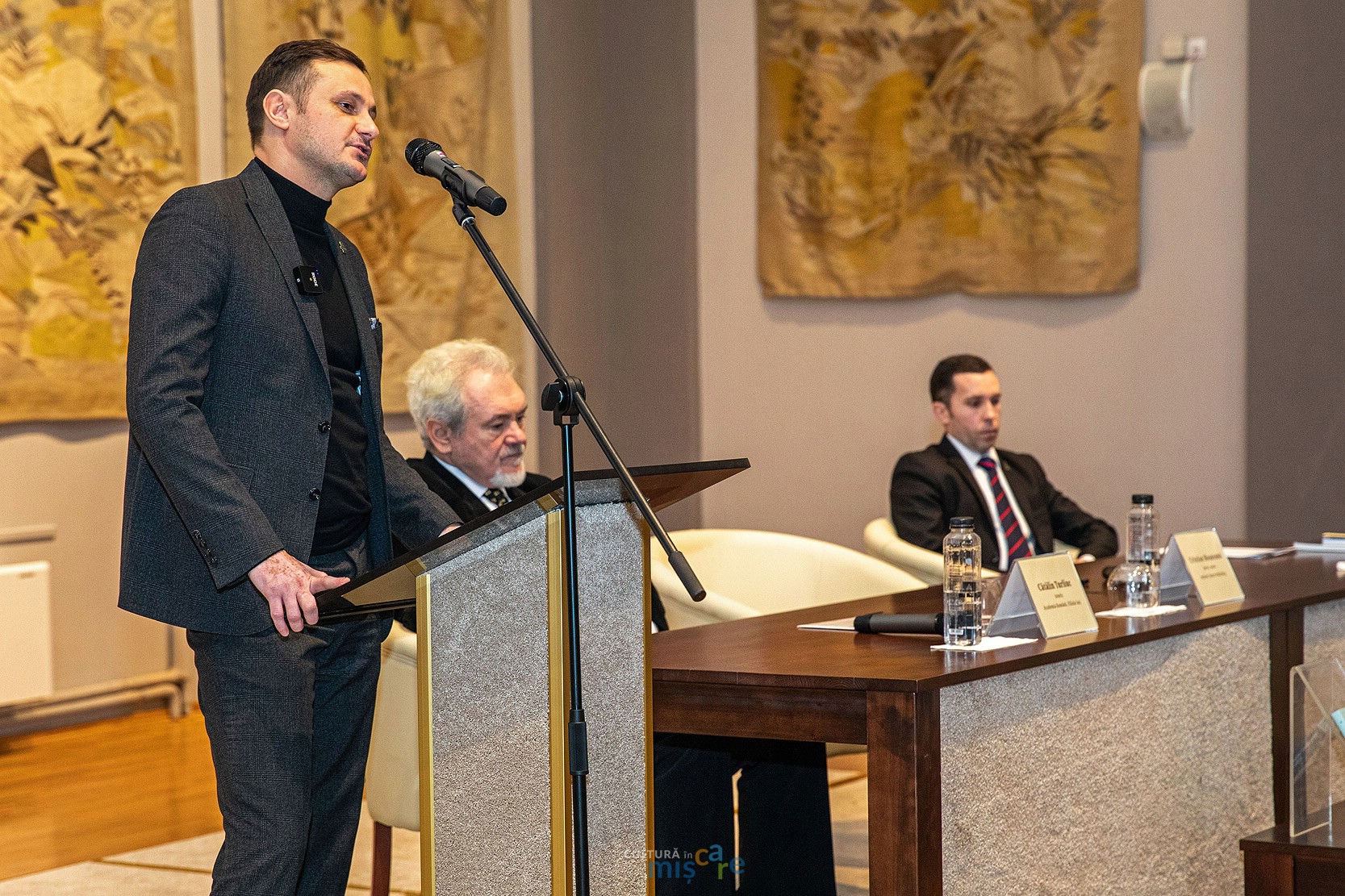
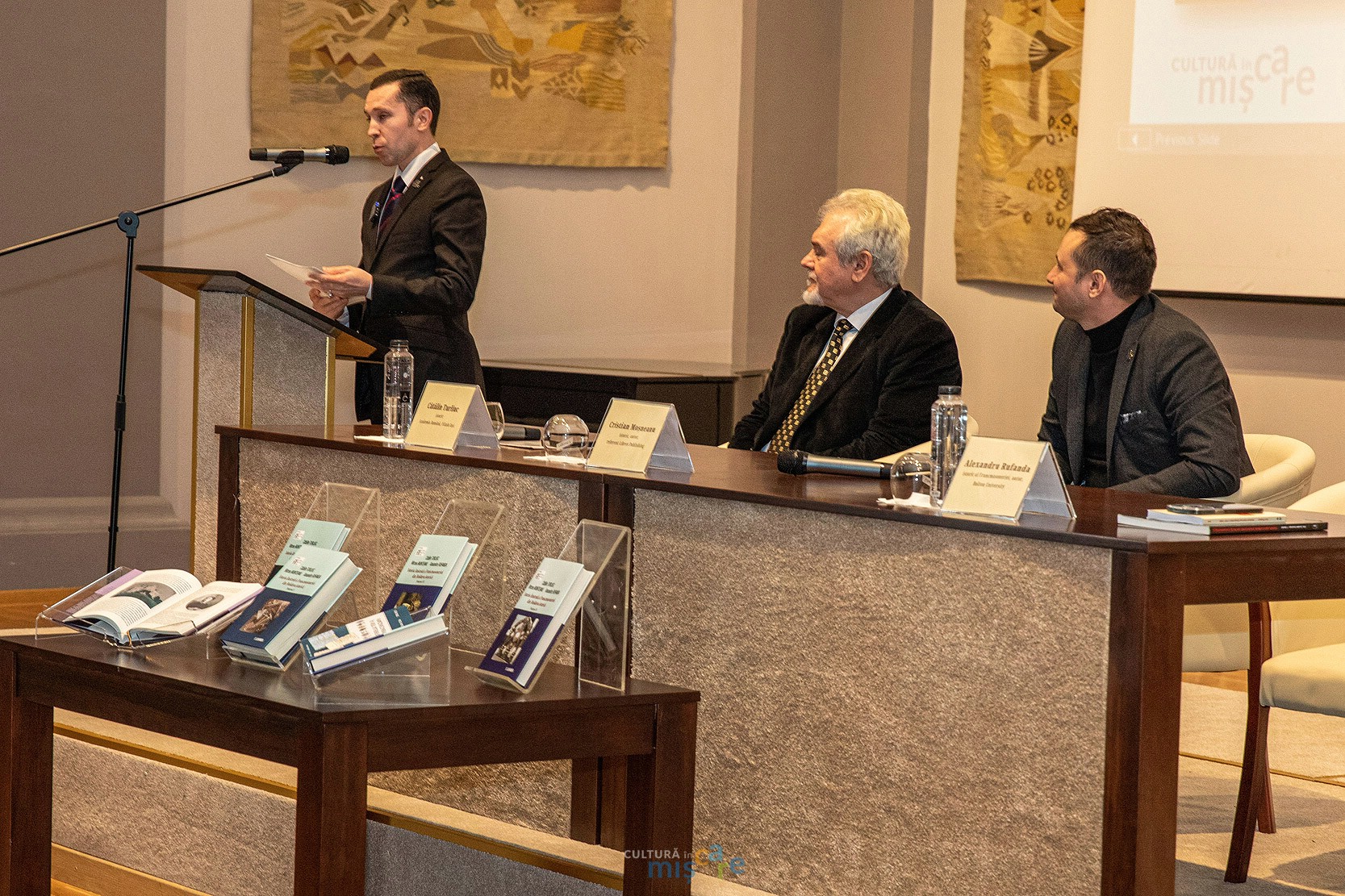
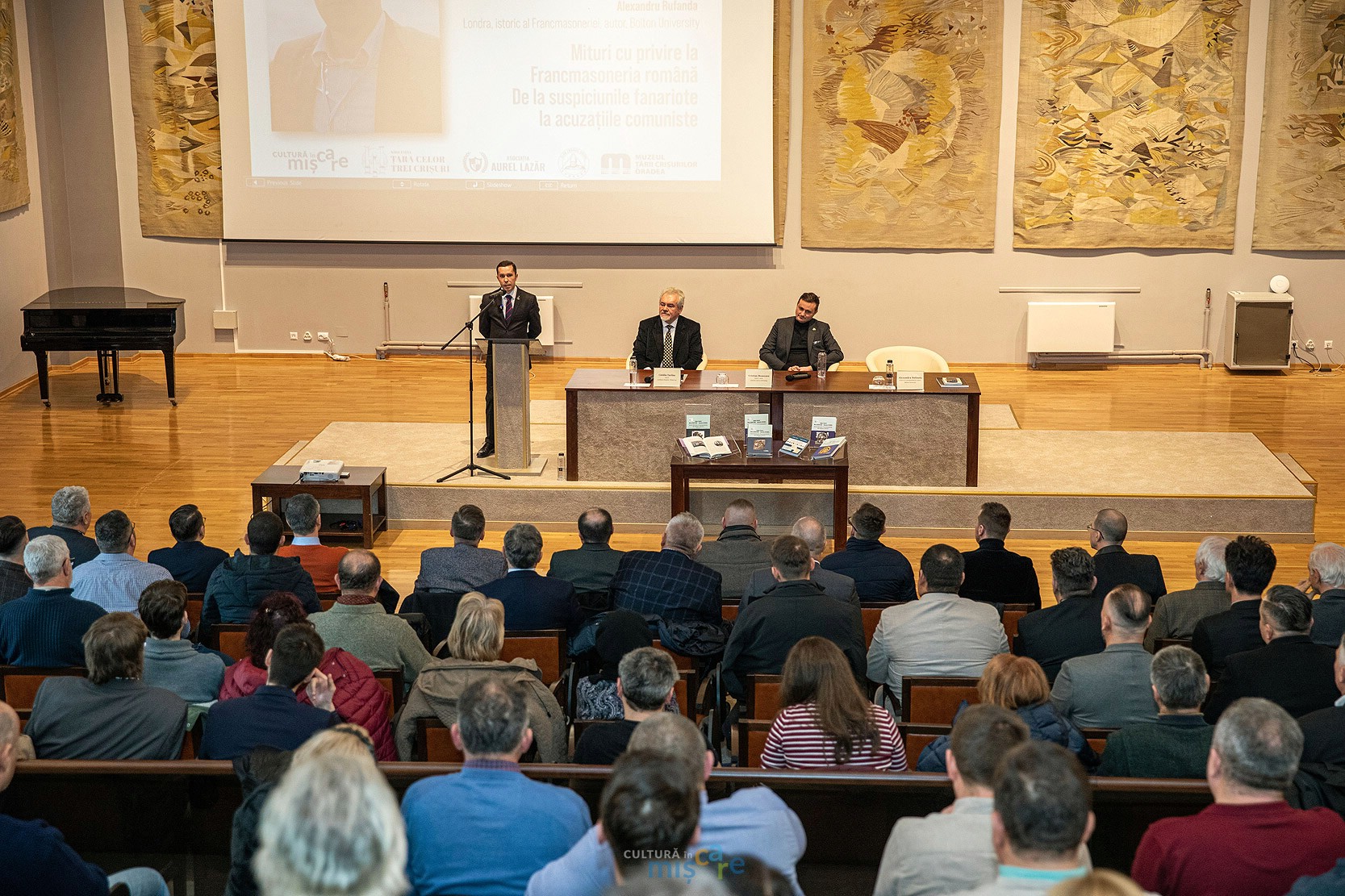
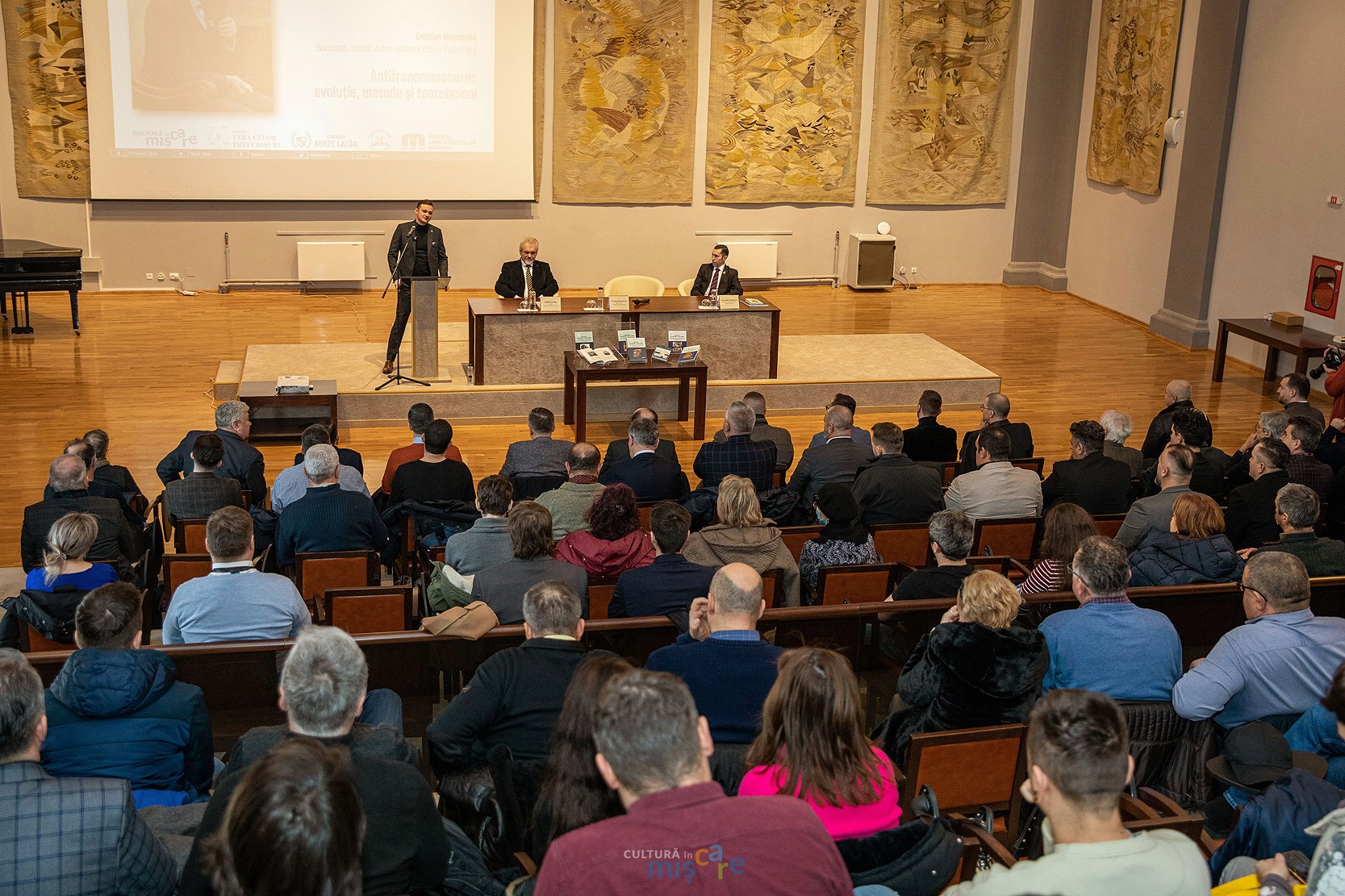
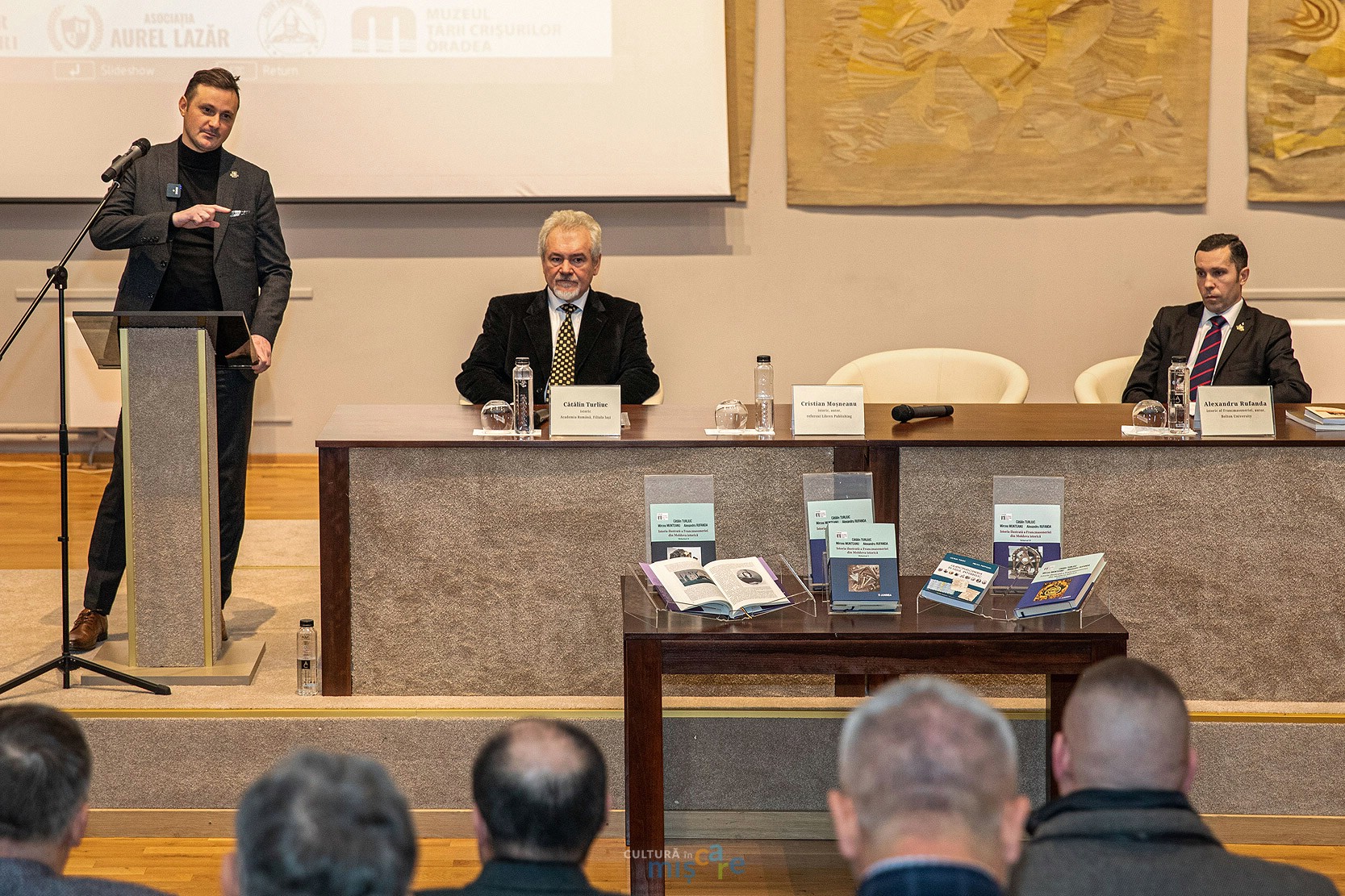
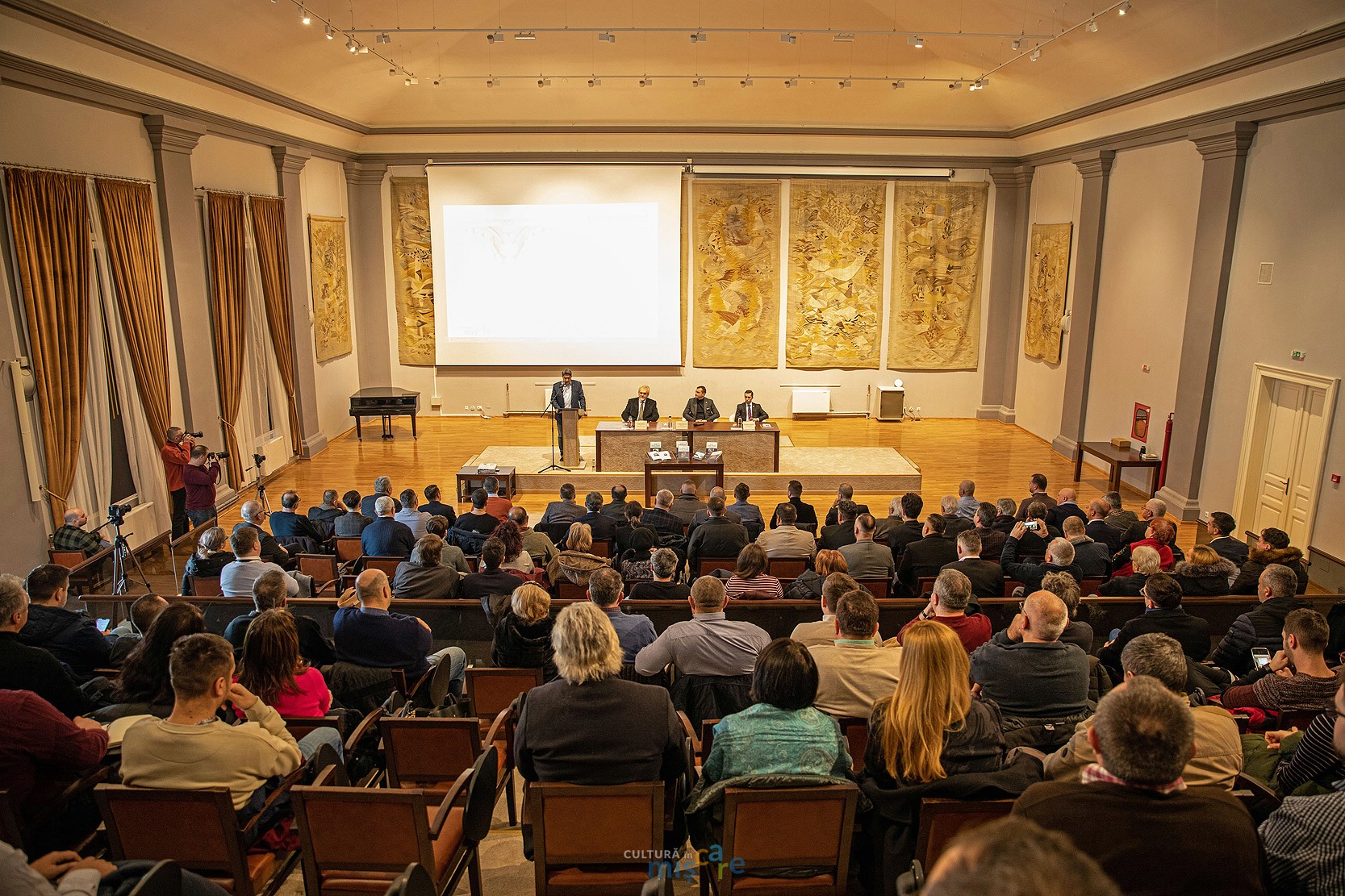
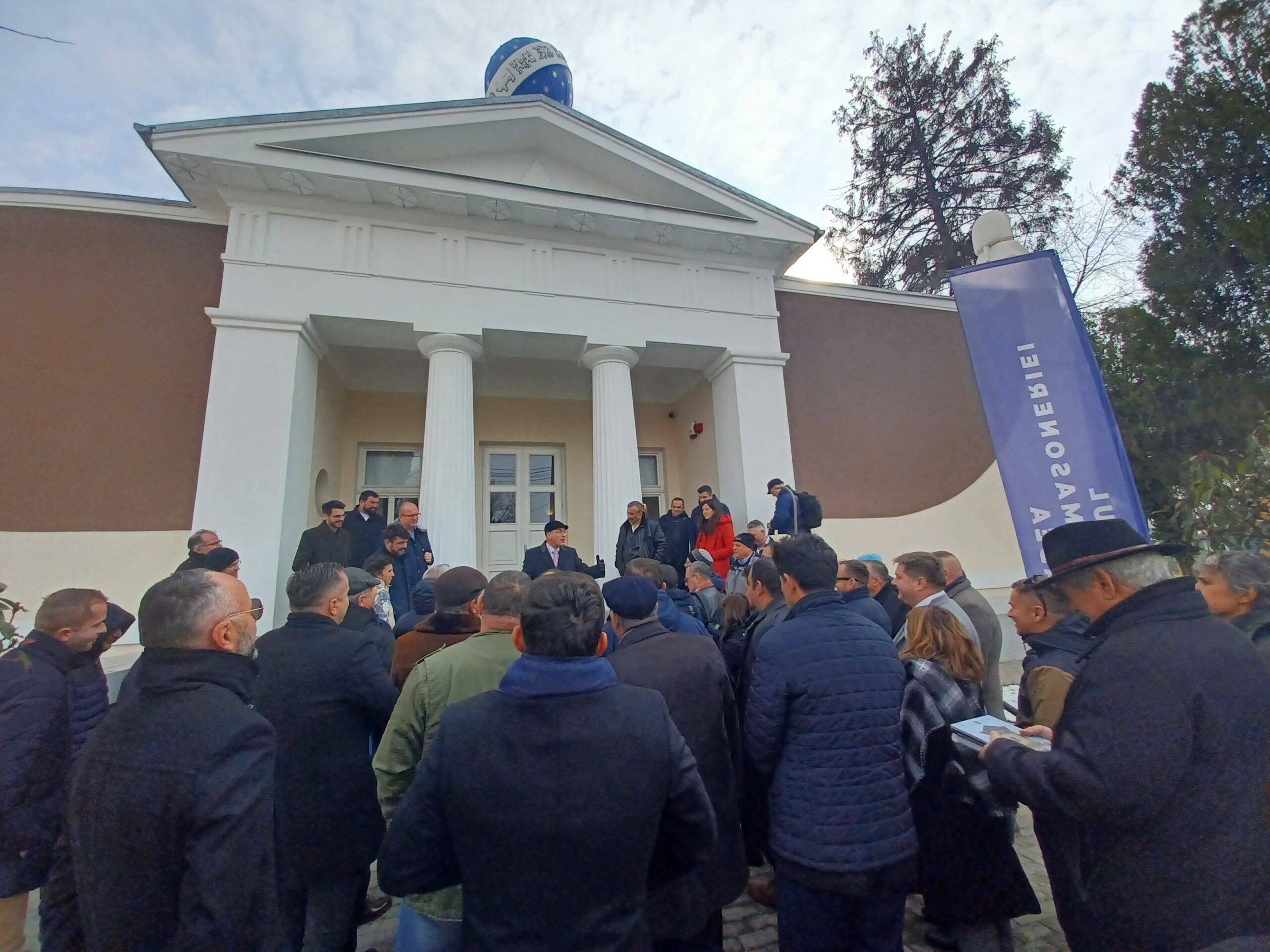
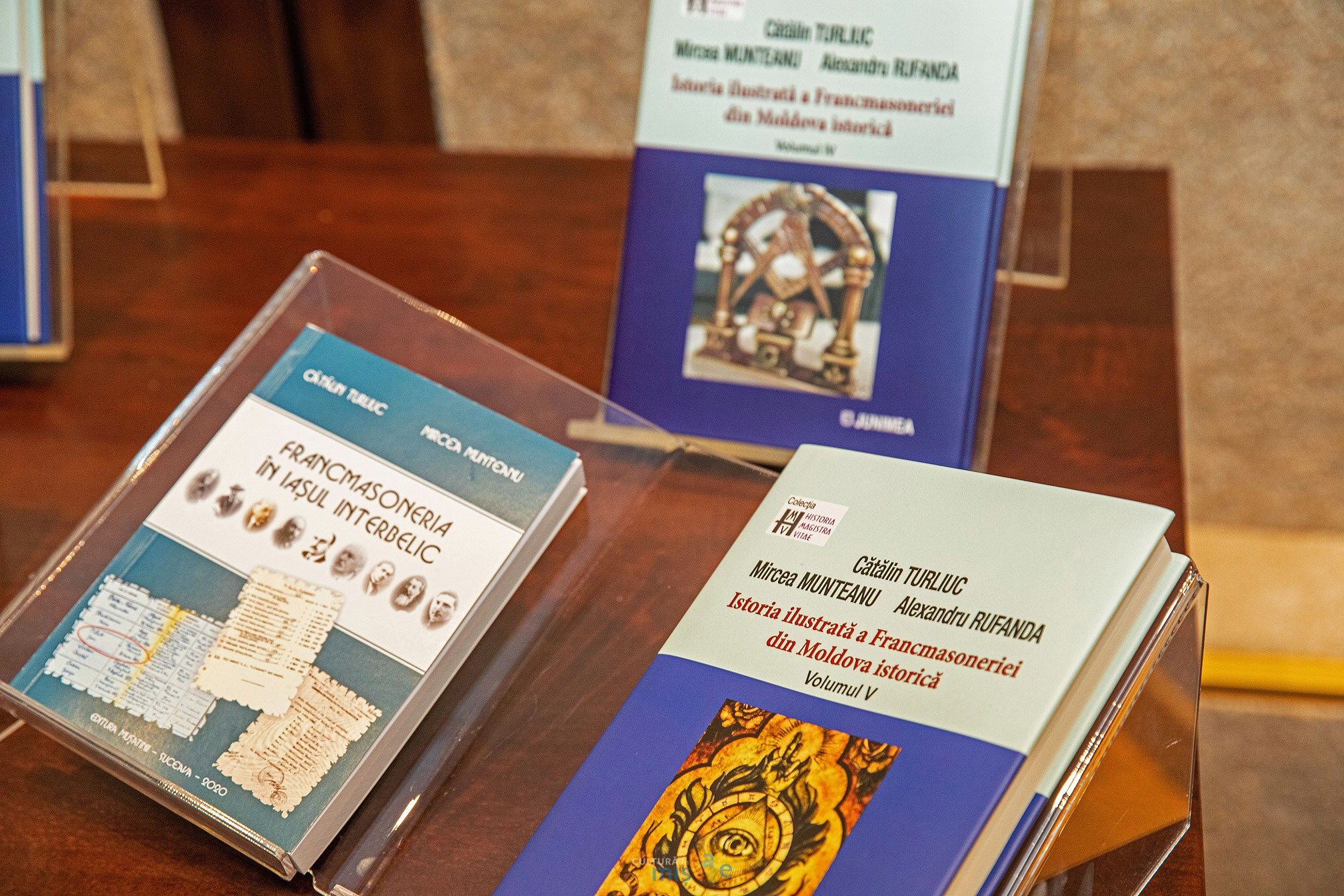
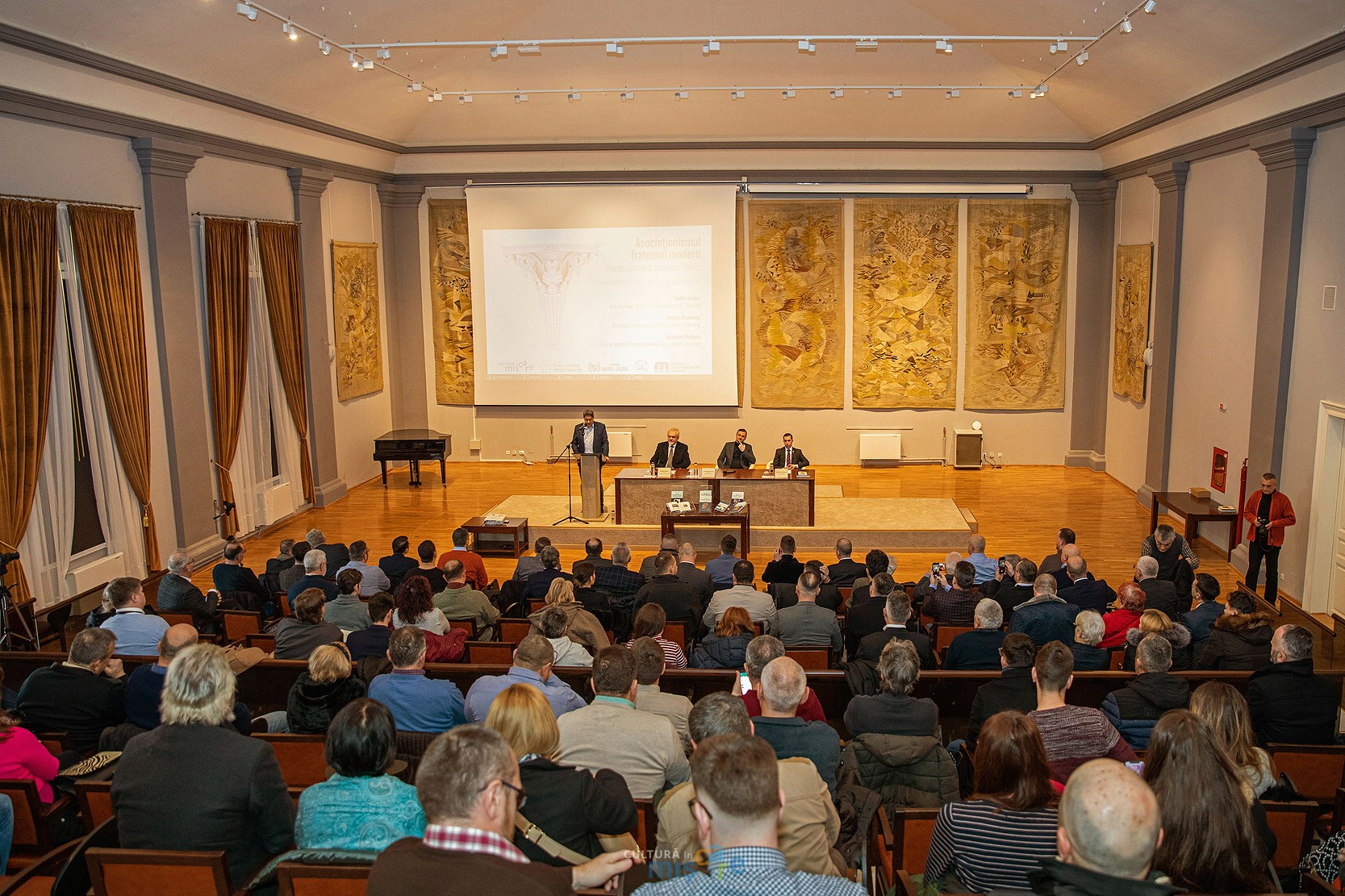
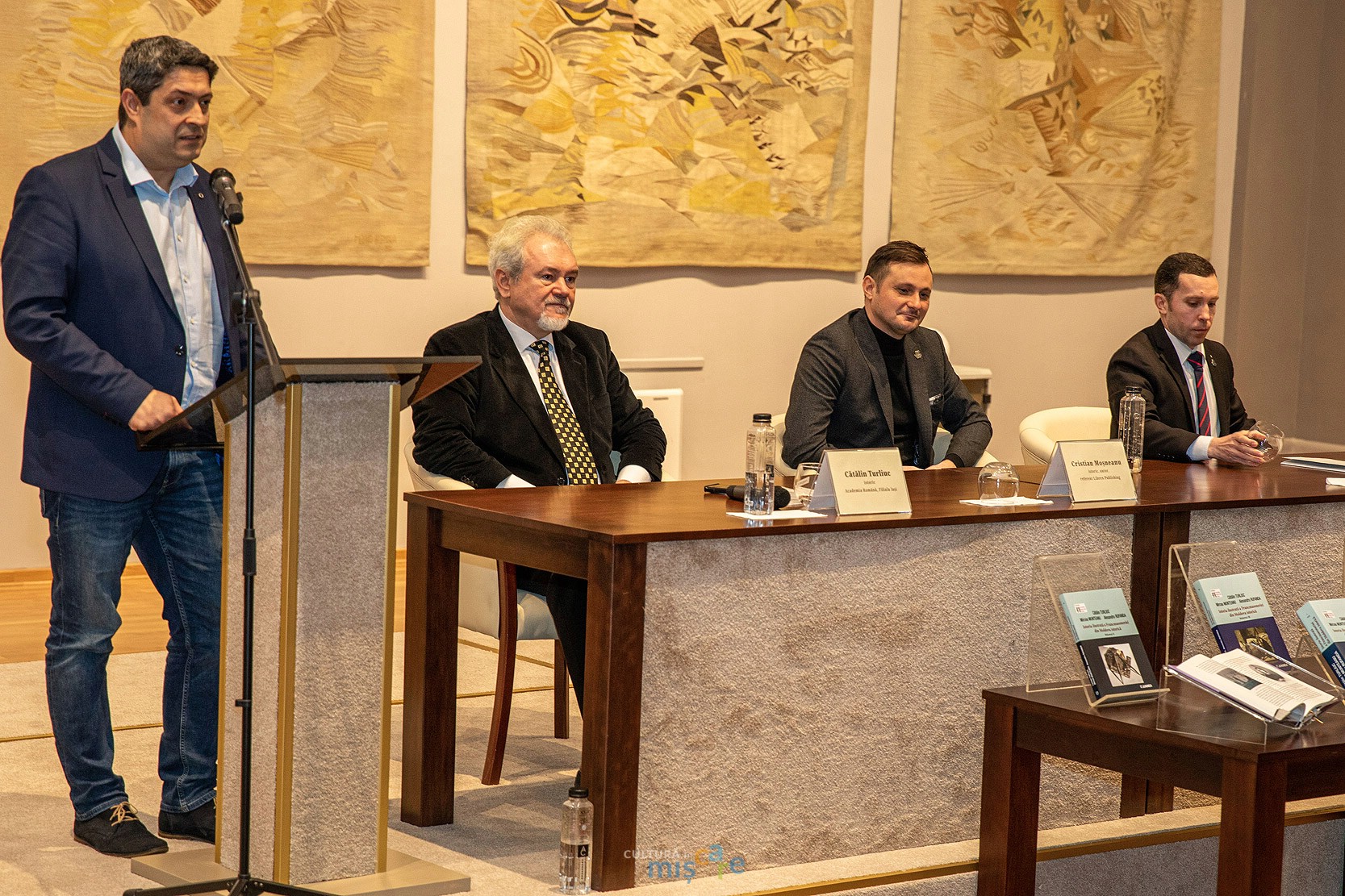
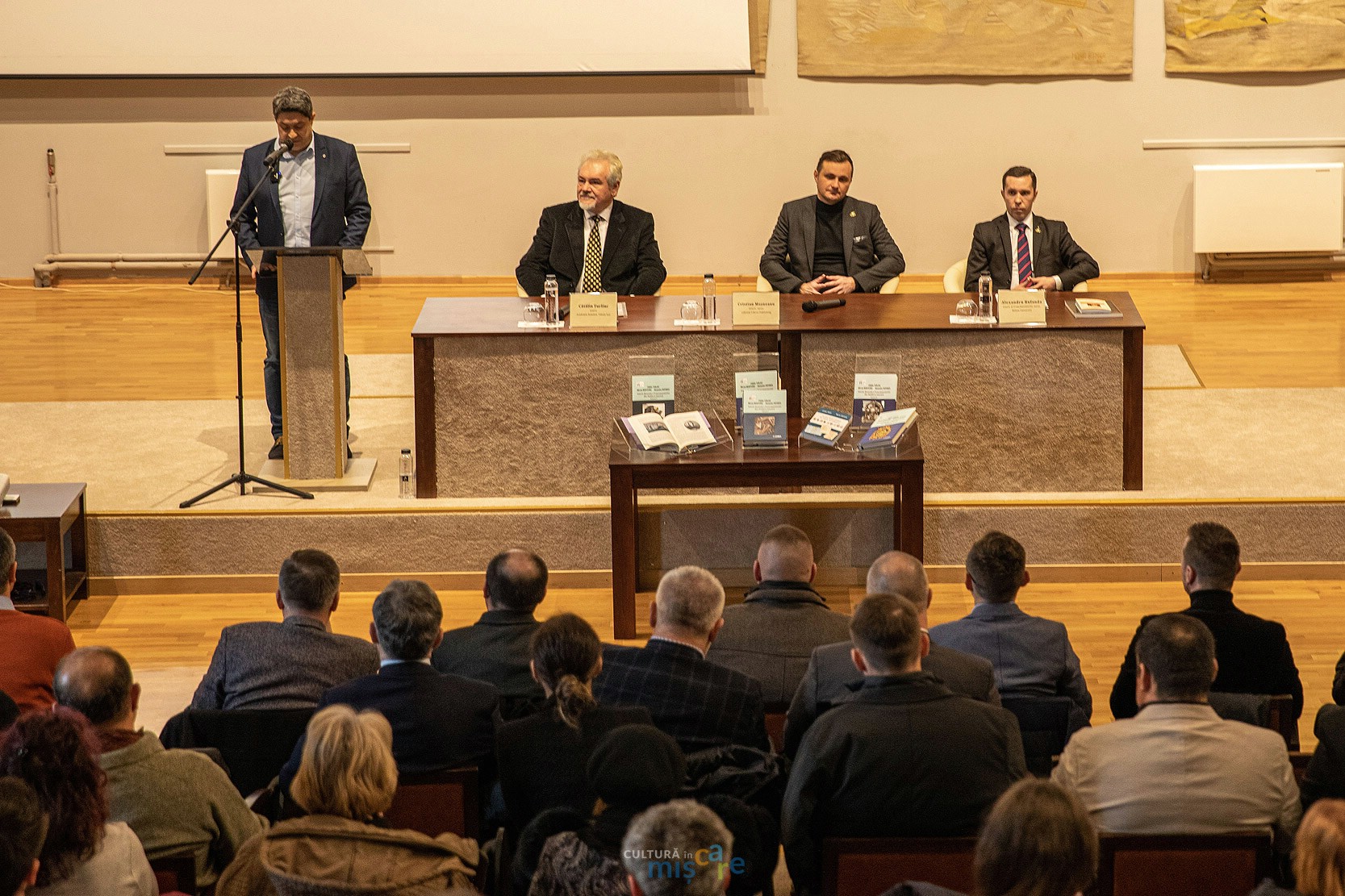
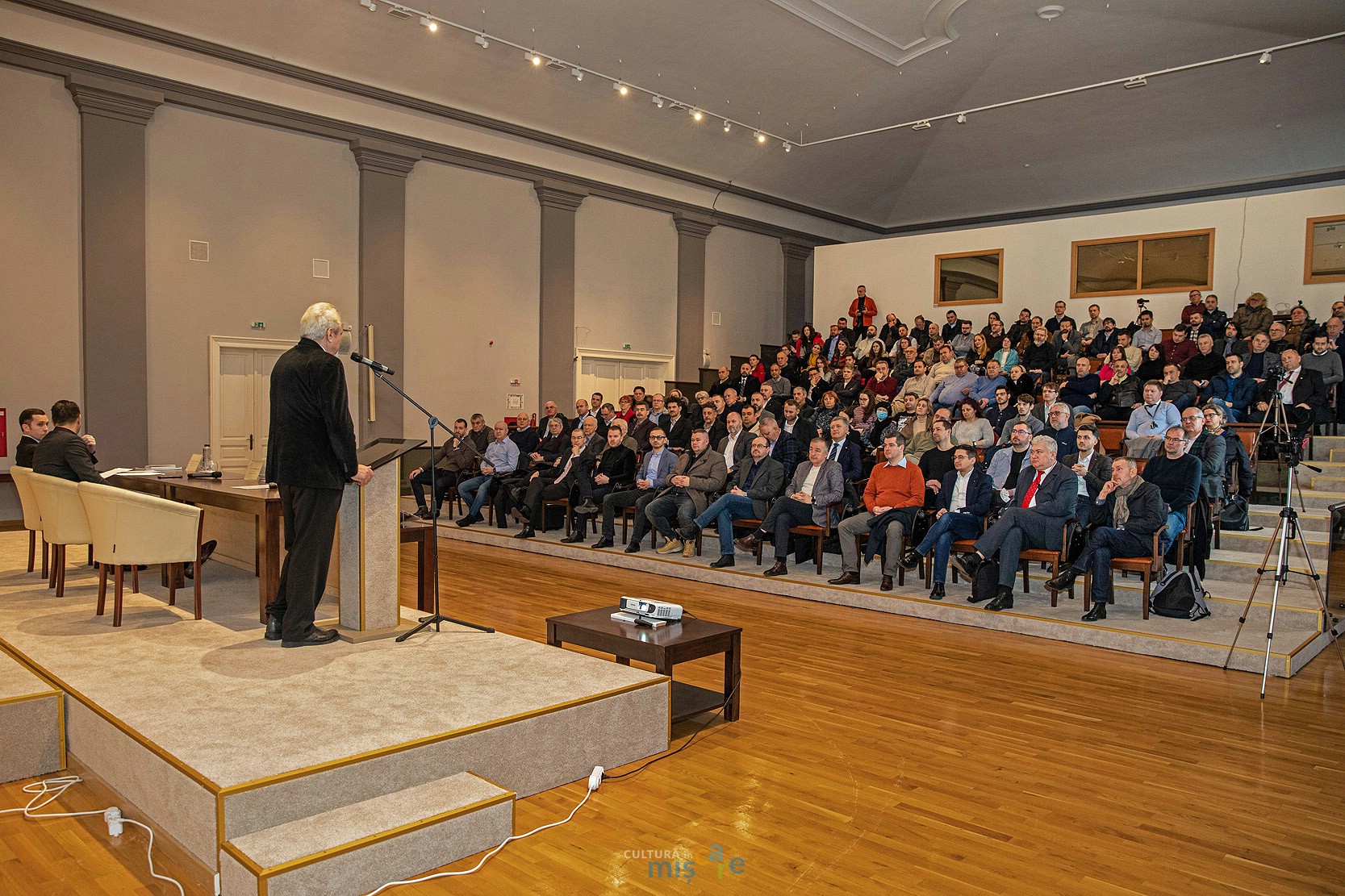
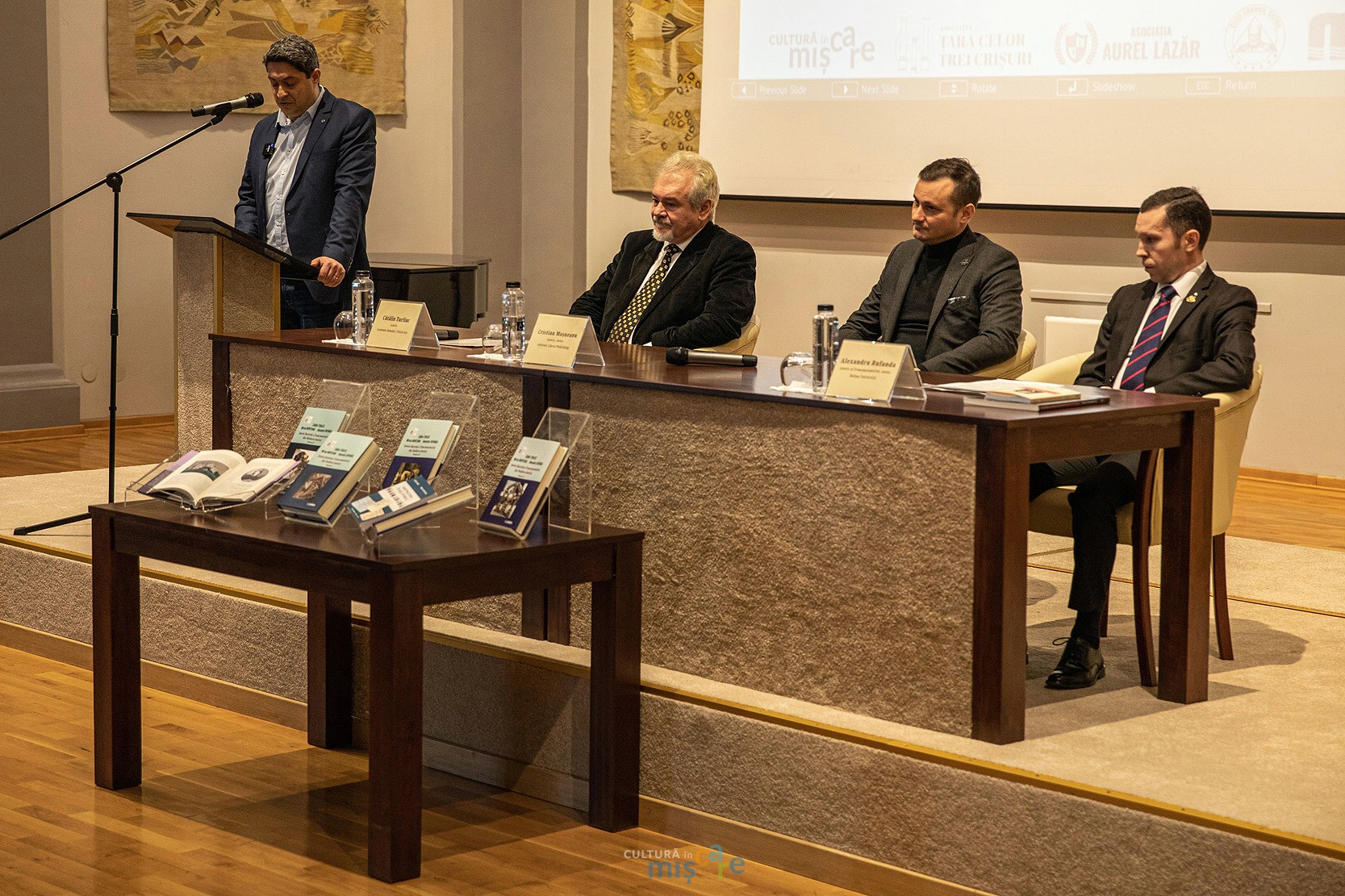
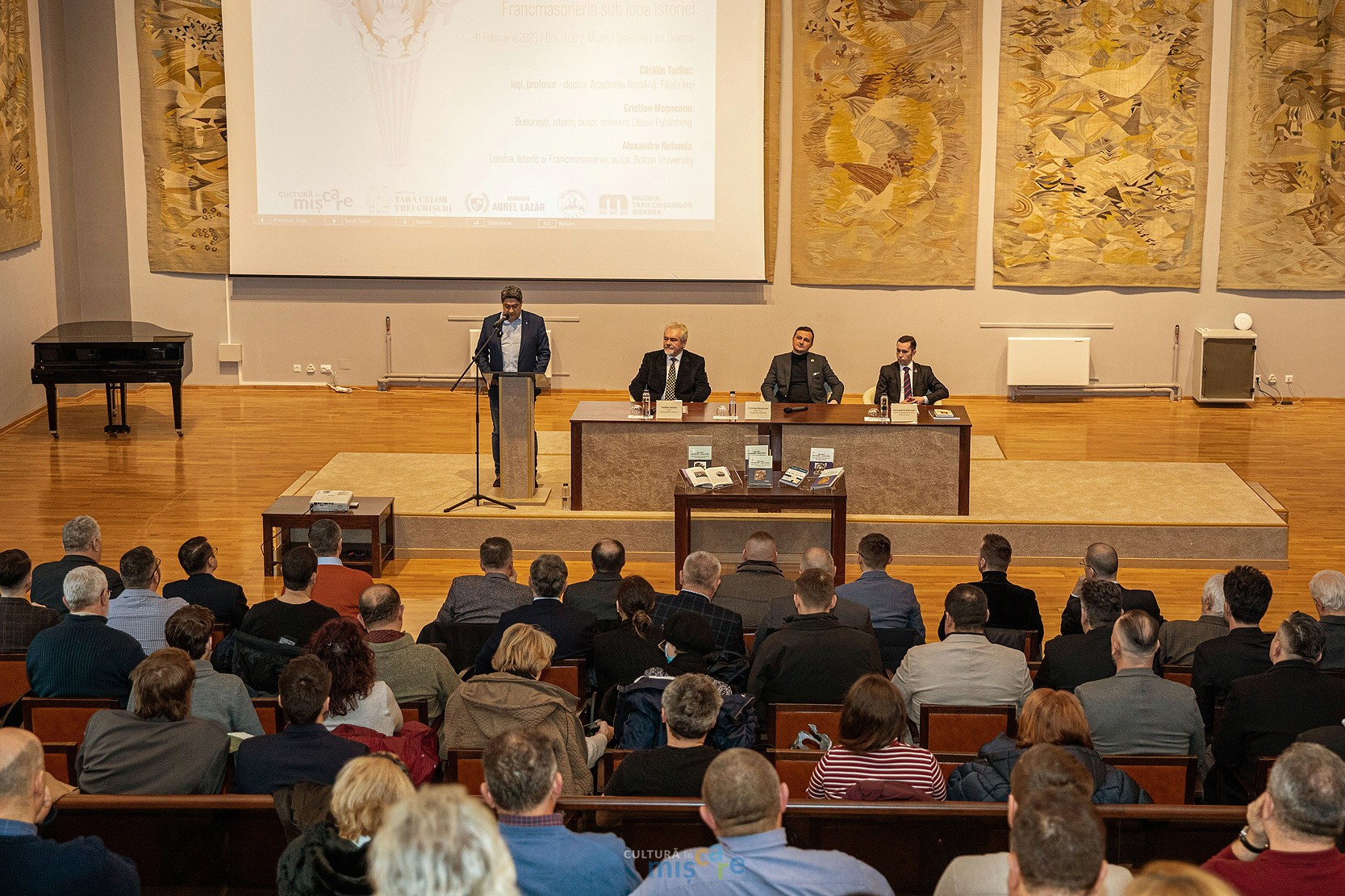
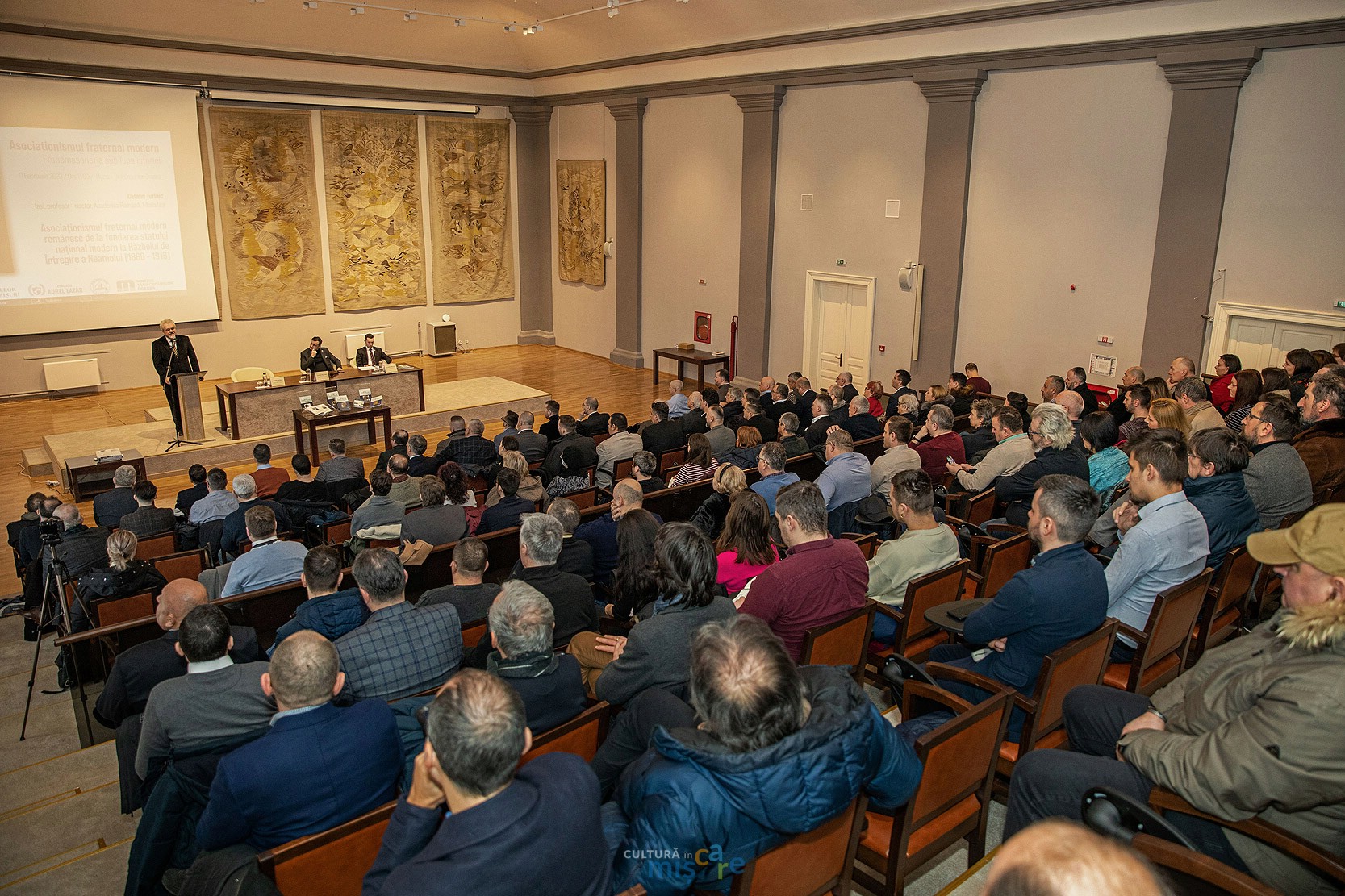
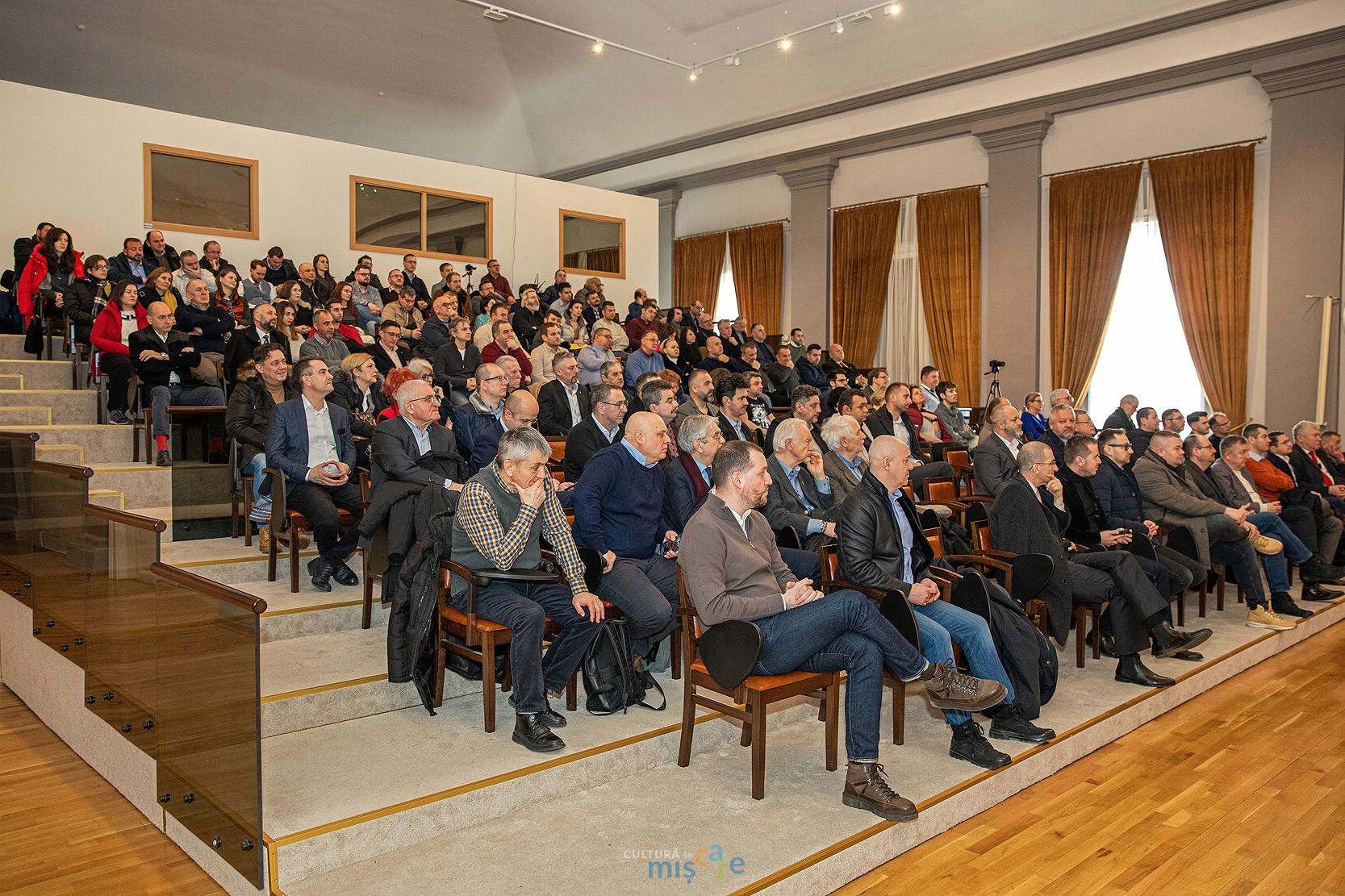
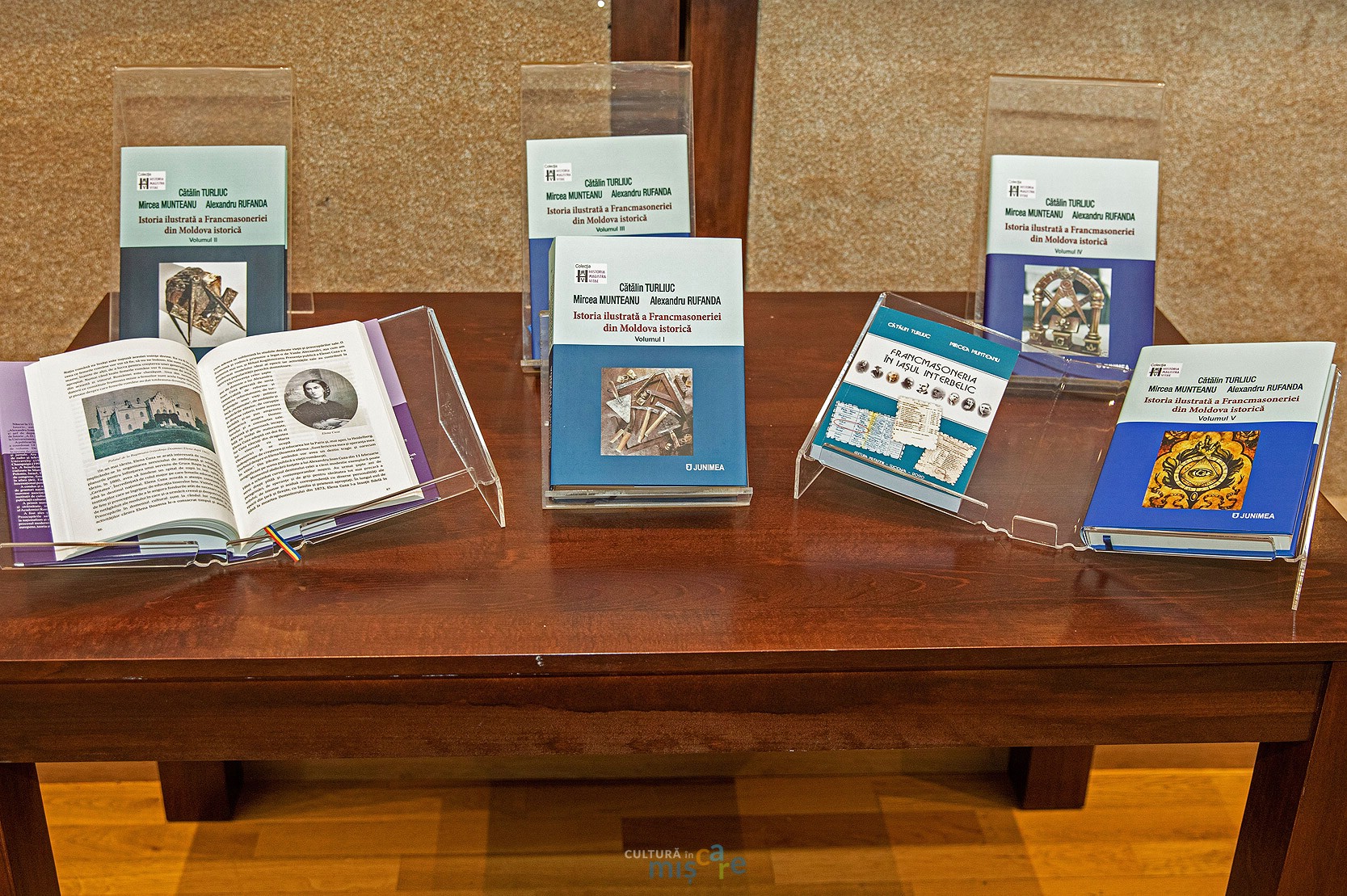
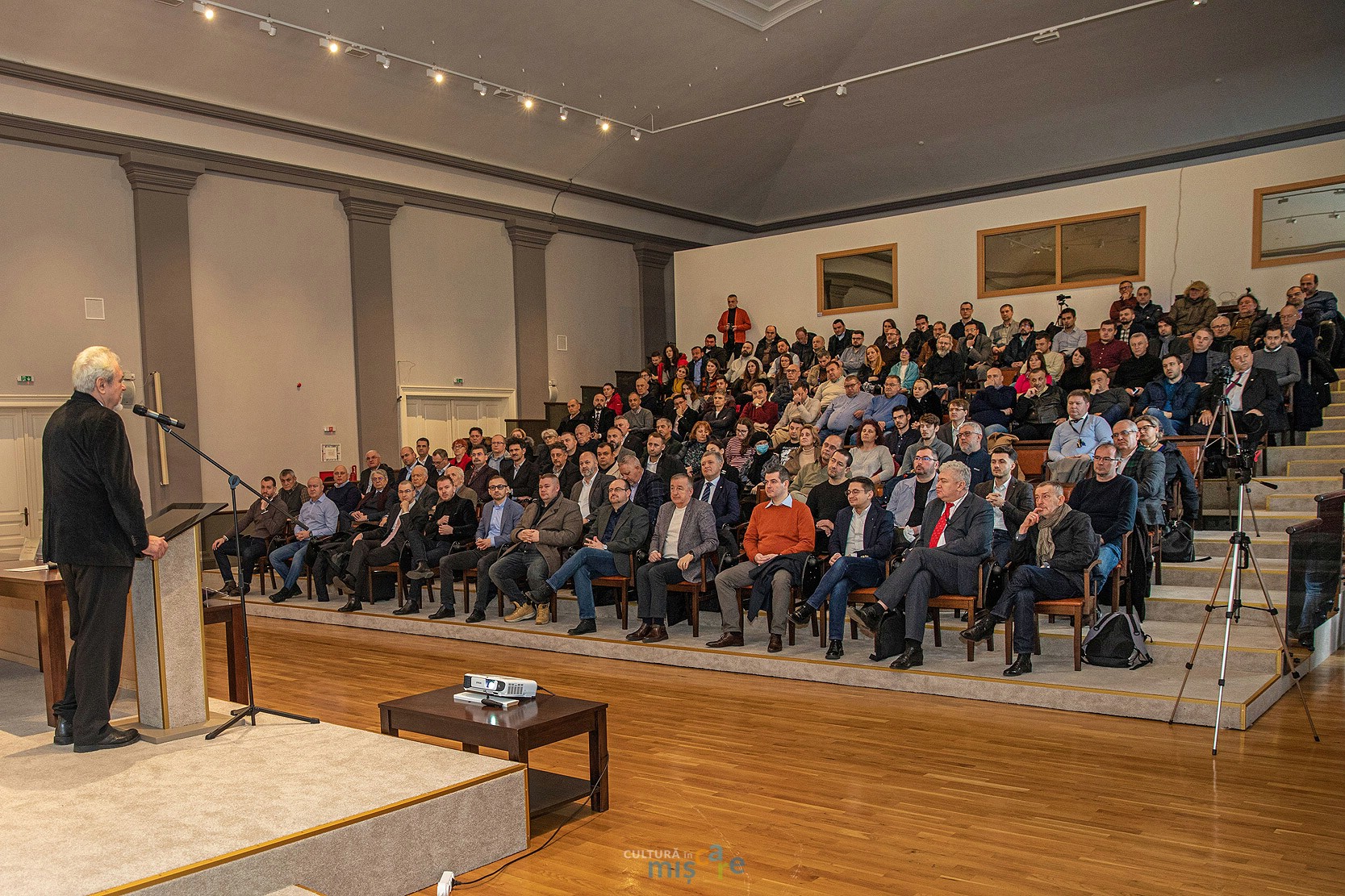
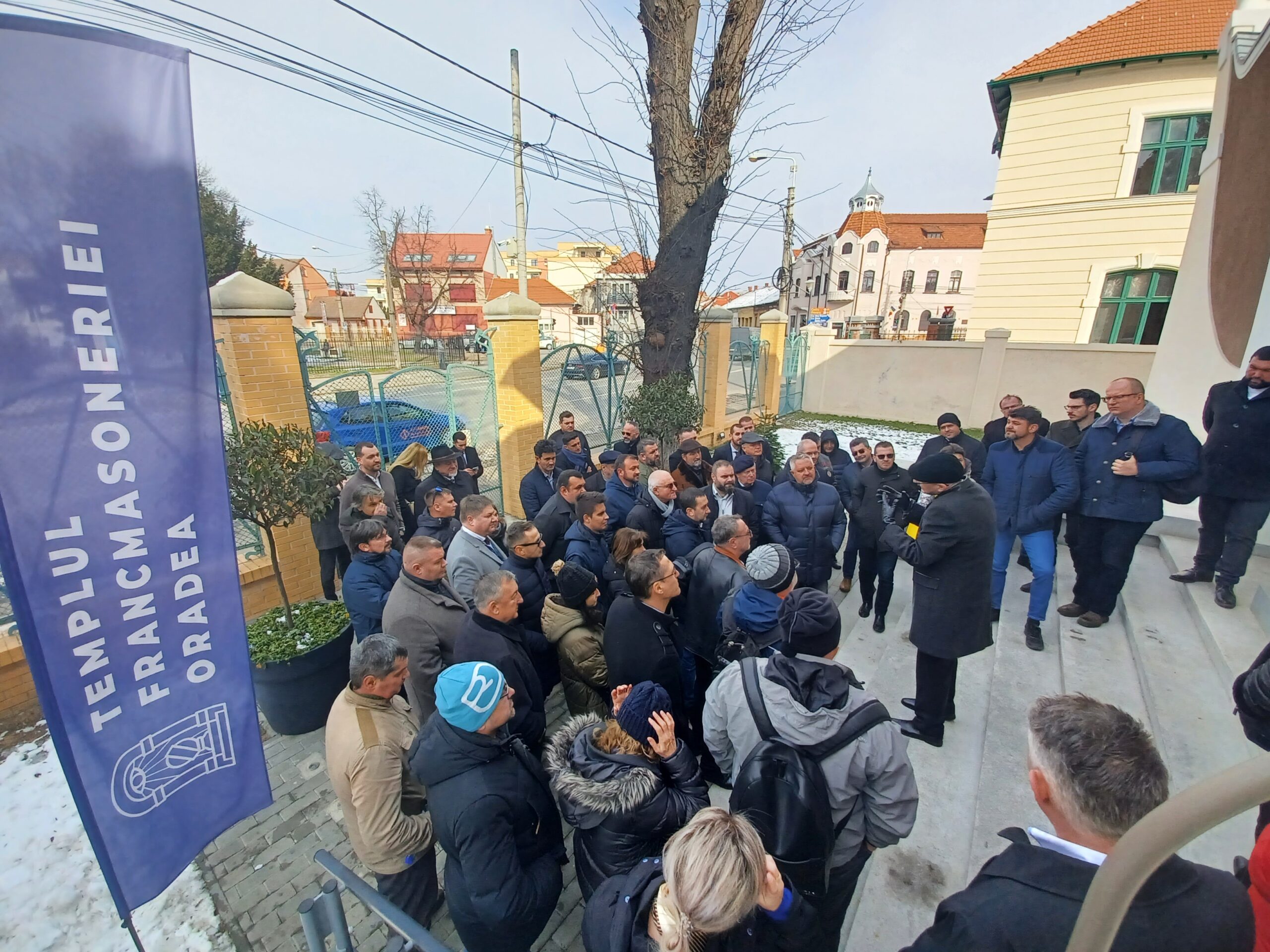
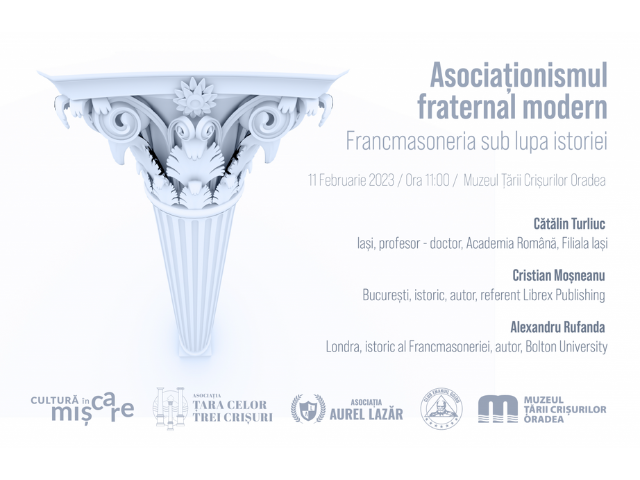
Saturday, February 11, 2023, between 11:00 a.m. and 1:00 p.m., you are invited to the conference “Modern Fraternal Associationism: Freemasonry under the Lens of History.”
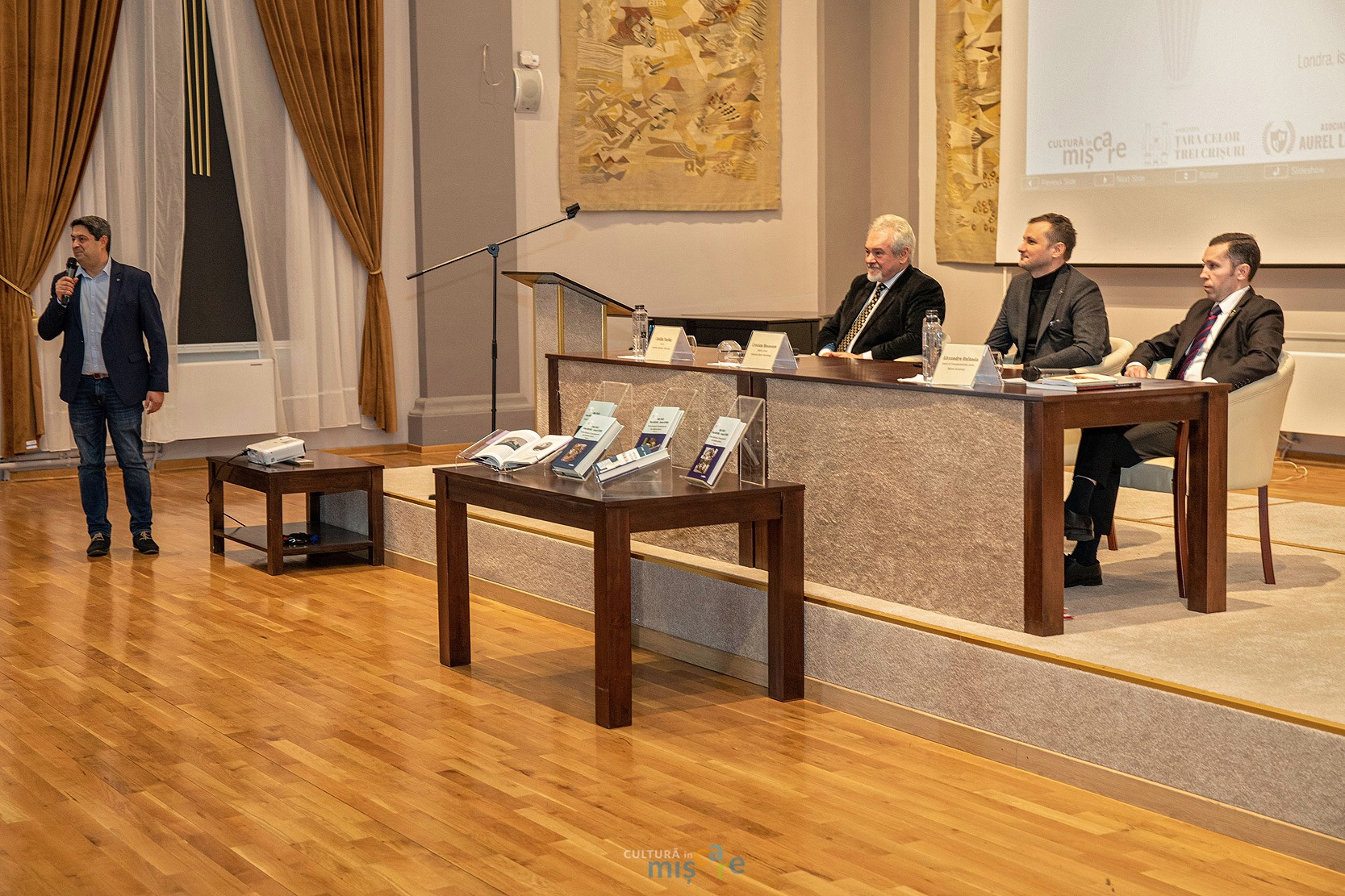
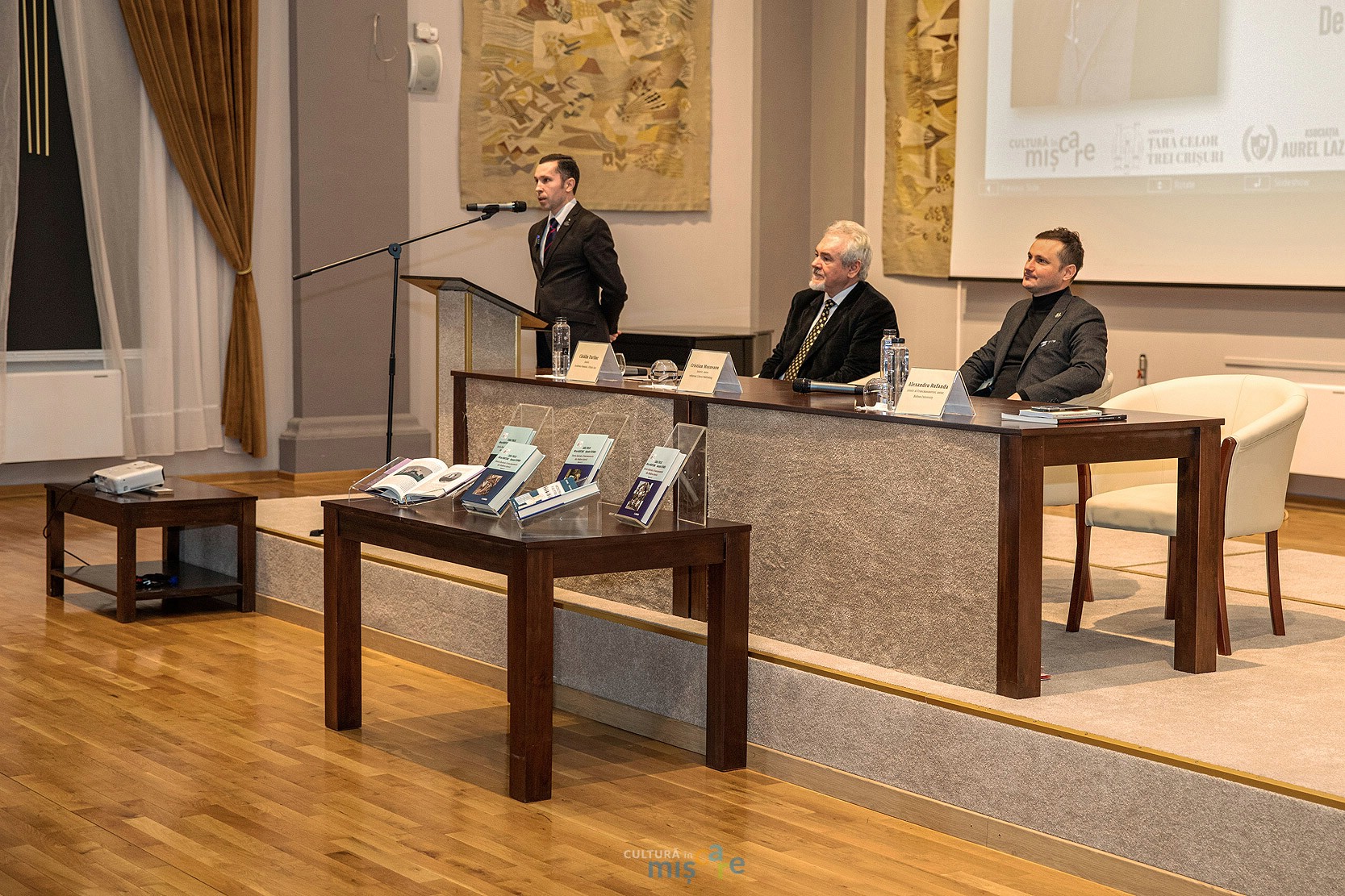
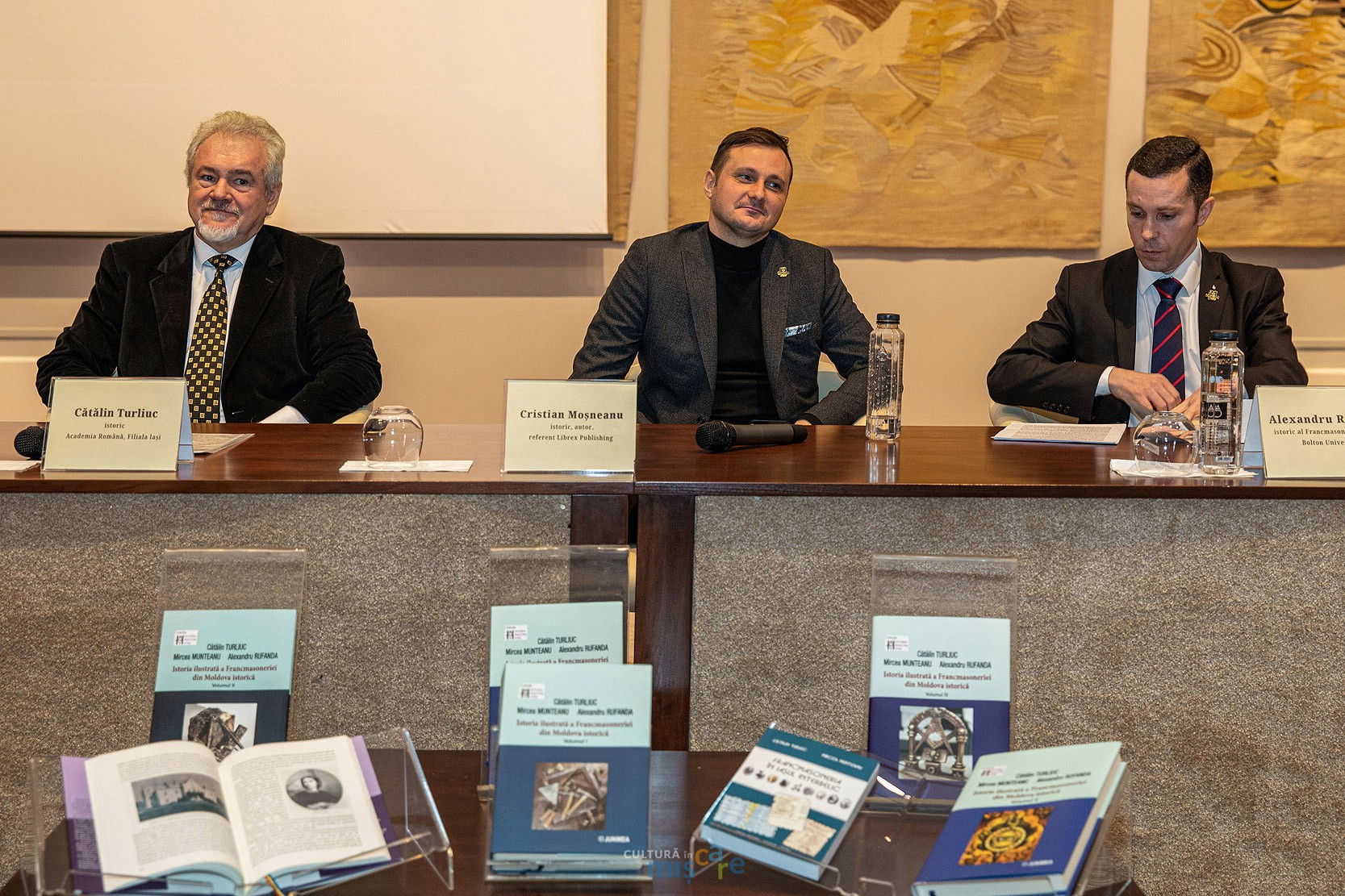
Papers will be presented by: Cătălin Turliuc, Cristian Moșneanu, Alexandru Rufanda.
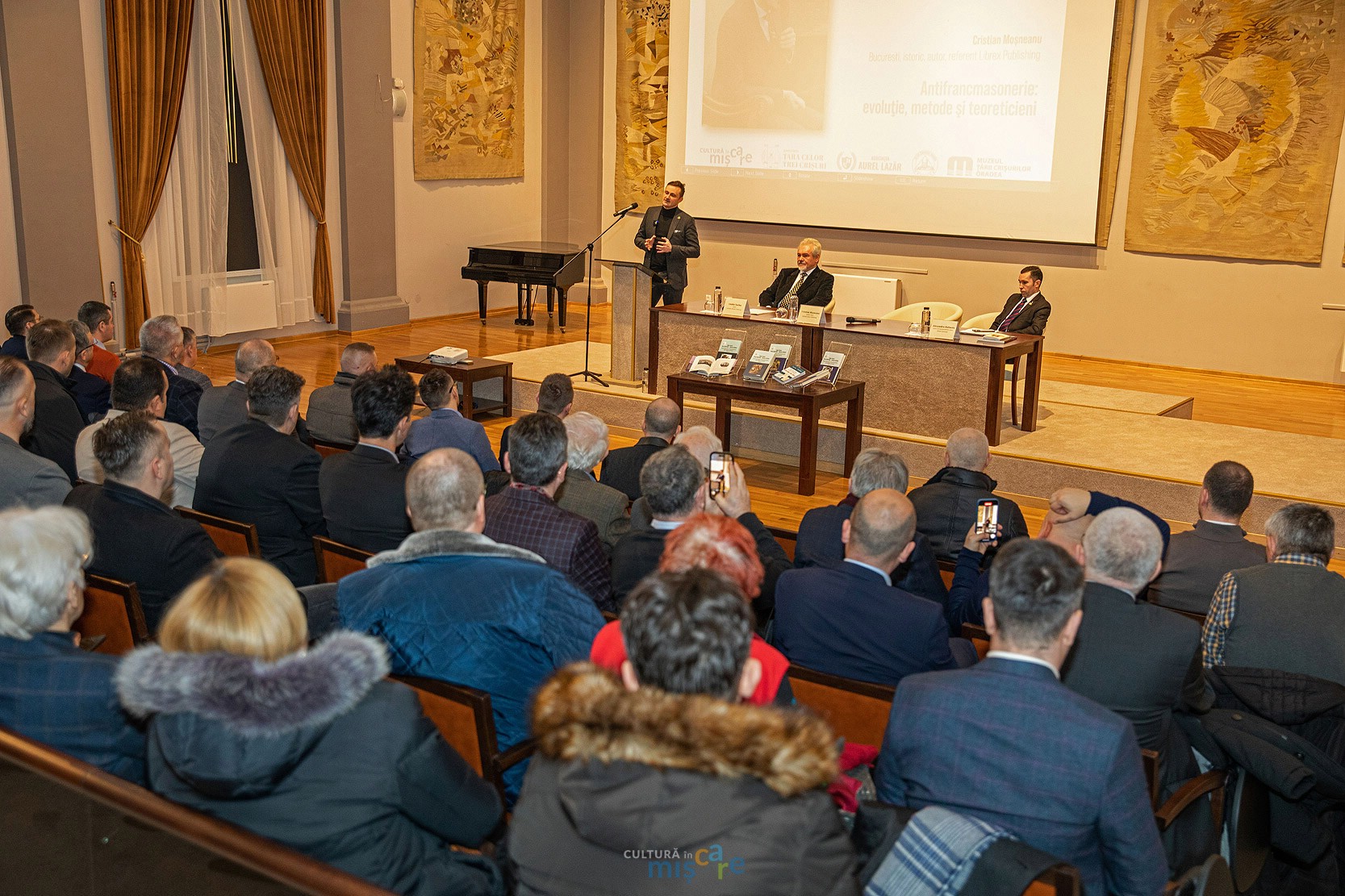
The conference is public, with free admission (limited to 150 seats), and will take place in the conference hall of the Crișurilor Land Museum, Oradea, 1/A Armatei Române Street.
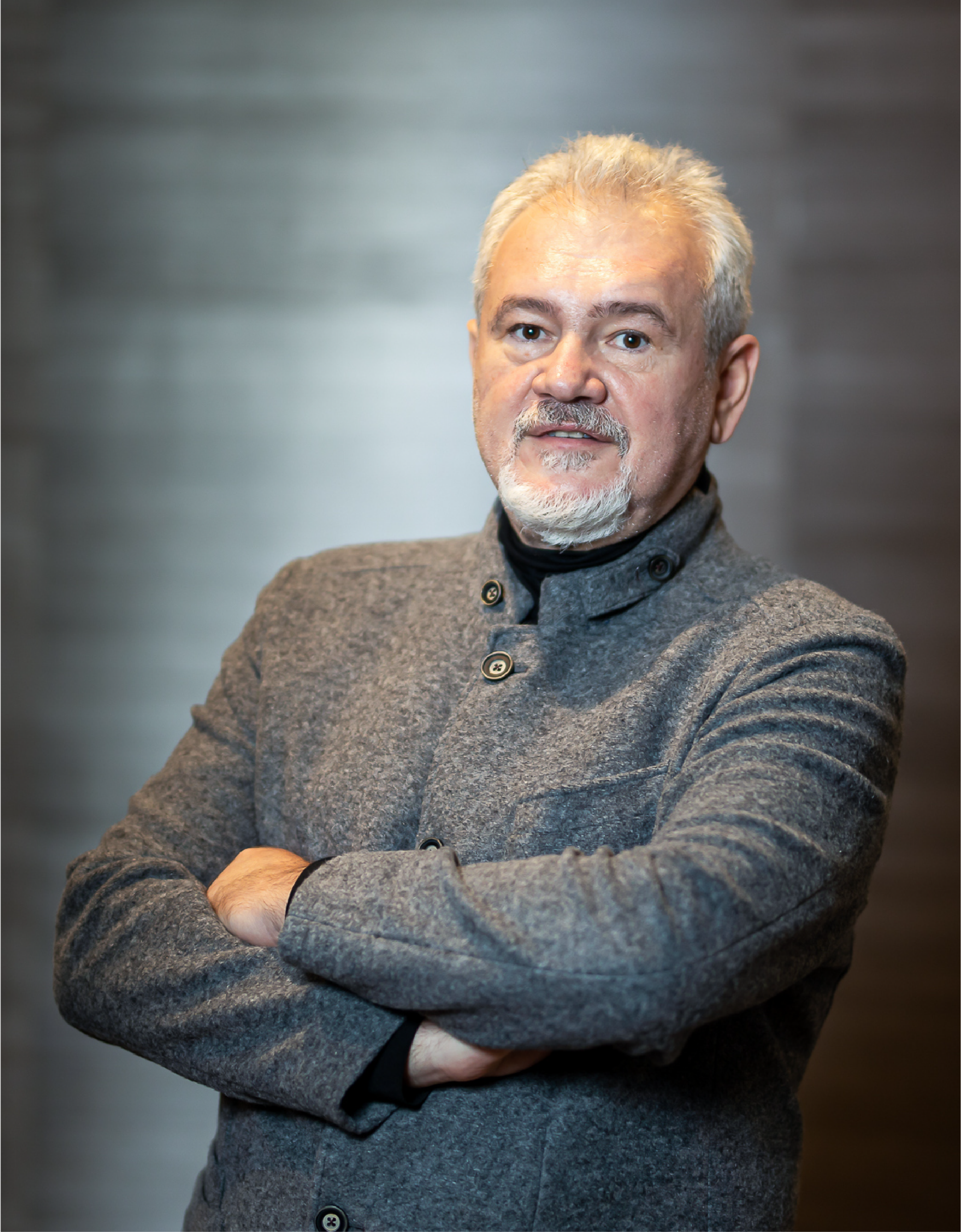
Cătălin Turliuc – Iași, Professor, PhD, Romanian Academy, Iași Branch
Modern Romanian fraternal associationism from the founding of the modern national state to the War of National Unification (1866–1916)
The presentation will focus on the role played by Freemasonry in the major events that shaped the national destiny during this historical period, as well as on its role in the modernization process of the Old Kingdom and in promoting the national ideal as it was formulated at the time. Significant moments from the organization and functioning of this confraternity within the chronological and spatial framework under discussion will also be highlighted.
Cristian Moșneanu – Bucharest, historian, author, Librex Publishing reviewer
Anti-Freemasonry: evolution, methods, and theoreticians
This presentation aims to highlight the reasons behind the emergence of anti-Freemasonry in Romania, its evolution during the period 1866–1947, and the theoreticians who conceptualized it within the Romanian space. Additionally, in a synthetic manner, it will present the main lines of attack against this fraternal association, especially during the interwar period, when this current became an integral part of the doctrines of extremist parties such as the League of National Defense and the Legionary Movement.
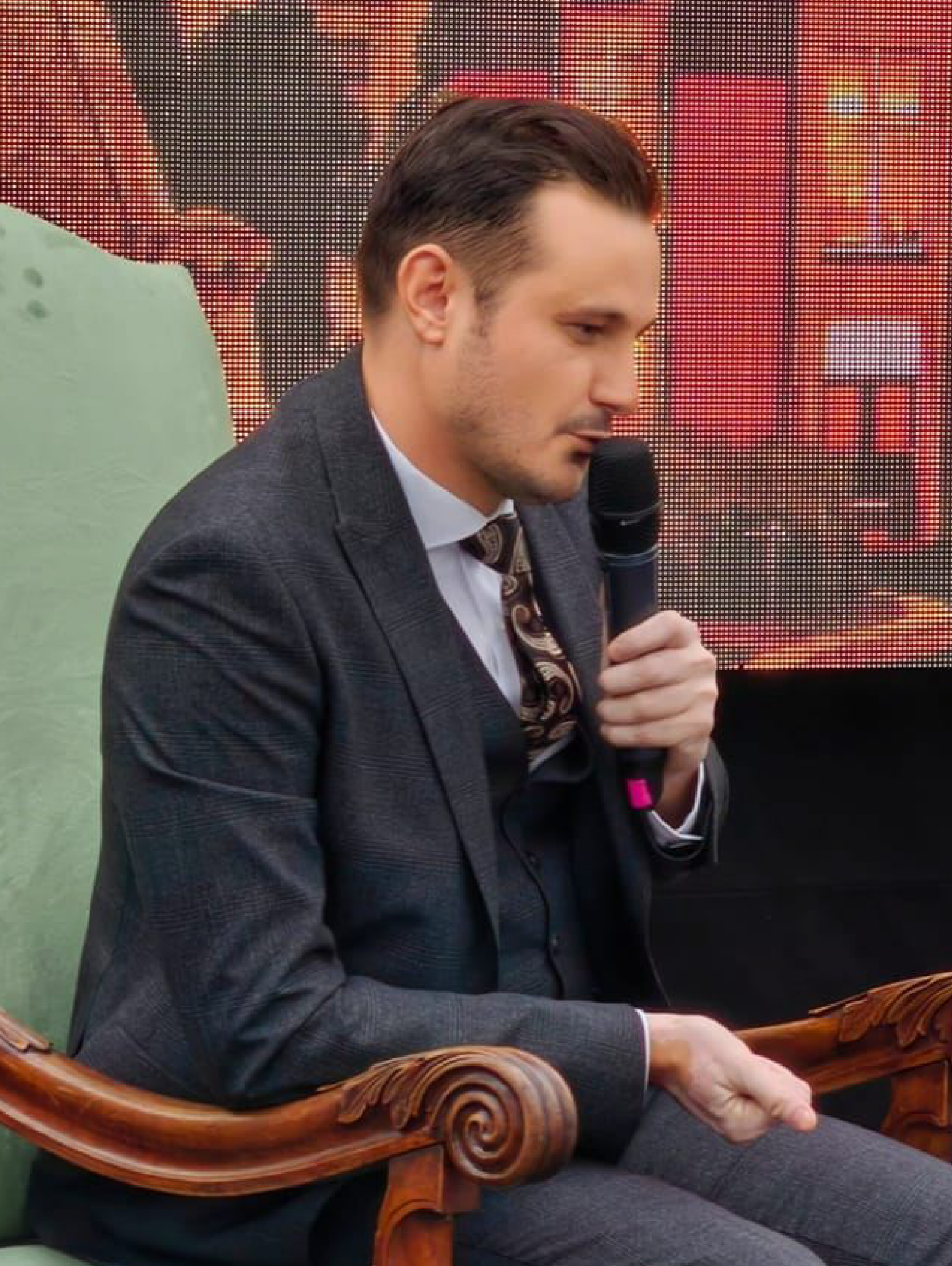
Alexandru Rufanda – London, historian of Freemasonry, author, Bolton University
Myths regarding Romanian Freemasonry. From Phanariot suspicions to communist accusations
This presentation will examine the unfounded accusations brought against Romanian Freemasonry over time. From suspicions expressed by the Orthodox Church, to Phanariot accusations of conspiracy, and further to the fantastical conspiracies attributed to Freemasonry by Legionaries or communists, Romanian Freemasonry has constantly had to confront an avalanche of unfounded myths, the result of poor information and the ignorance of those who assumed such positions. The accusers of Freemasonry preferred to base their discourse on works and information of questionable quality, such as those by Leo Taxil or even authors promoted by the fascist regime. This presentation seeks to demonstrate not only that the arguments of the accusers were, more often than not, transparently fabricated, but also to highlight the concrete actions of Romanian Freemasonry in contrast to the accusations made against it—because, ultimately, the Latin dictum “Facta non verba” carries the full semantic weight intended to substantiate these claims.